 ADVERT

 ADVERT
The Memorandum of Understanding between the Nuclear Power and Energy Agency (NuPEA) and Kenya Electricity Generating Company PLC (KenGen), witnessed by Cabinet Secretary for Energy and Petroleum James Opiyo Wandayi, marks a significant step in Kenya’s pursuit of a nuclear-powered future. Wandayi—who assumed office on August 8, 2024, after a notable parliamentary career—has played an active role in steering the ministry through key energy milestones. The MoU establishes a joint framework through which the two agencies can develop a clear roadmap for advancing the Kenya Nuclear Power Programme (KNPP), positioning nuclear energy as a core component of the national energy mix. NuPEA contributes its expertise in nuclear infrastructure development and international compliance, while KenGen brings decades of experience in large-scale power generation, enabling coordinated work on feasibility studies, regulatory processes, and grid integration in line with IAEA milestones.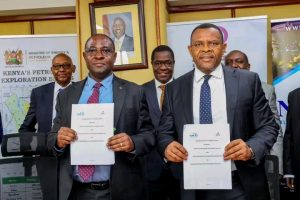
Kenya’s growing energy demand, coupled with challenges in hydropower reliability and geothermal limitations, has heightened dependence on electricity imports and contributed to high consumer tariffs. The KNPP seeks to bridge this gap with a proposed 1,000-MW nuclear plant planned for construction between 2027 and 2031 and commissioning by 2034, with long-term potential to scale to 20,000 MW through additional units and Small Modular Reactors (SMRs). NuPEA’s 2023–2027 Strategic Plan outlines pillars such as infrastructure development, stakeholder engagement, research capacity, and the rollout of a research reactor at Konza Technopolis. Potential host counties, including Kilifi, Kwale, and Siaya, have been evaluated for their coastal access and favorable geological traits, with environmental assessments and consultations indicating strong local economic prospects. Wandayi’s oversight of grid expansion, electrification projects, and plant revitalization initiatives aligns with the future requirements of nuclear integration.
The progress of the KNPP is reinforced by broader reforms in the energy sector, including the establishment of the First Oil Technical Committee in 2025 and the strengthening of public-private partnerships. Nuclear energy’s reliability, long operational lifespan, and low fuel costs make it a strong candidate for stabilizing Kenya’s energy system while supporting national climate commitments. Regulatory oversight remains central, with the Kenya Nuclear Regulatory Authority ensuring strict adherence to IAEA safety and waste-management standards. Public outreach and transparent safety communication have contributed to growing community support.
Aligned with Vision 2030 and the Bottom-Up Economic Transformation Agenda (BETA), nuclear development promises to enhance industrial growth, irrigation capacity, and electric mobility. The upcoming Kenya Nuclear Research Reactor at Konza is expected to support medical isotope production and agricultural applications, strengthening Kenya’s scientific and industrial base. Although the initial capital investment—estimated at about Sh500 billion—is substantial, the NuPEA-KenGen partnership allows for risk-sharing and improved access to international funding mechanisms. Institutional experience from Wandayi’s previous oversight roles supports efforts to ensure accountability and policy coherence throughout the program.
As Kenya positions itself as a continental leader in nuclear development, the NuPEA-KenGen framework offers a stable foundation for long-term progress. With milestones such as site licensing by 2029 and vendor selection by 2030, the collaboration aims to deliver reliable baseload power that supports both coastal and inland economies. Through coordinated planning and sustained institutional commitment, the partnership seeks to embed nuclear energy into the nation’s long-term development strategy and strengthen energy security for future generations.
 ADVERT
James’ Kilonzo Bwire is a Media and Communication Practitioner.


