 ADVERT

 ADVERT
The commissioning of the Wambusa KPLC Project and the Ndori School REREC Project in Ndori Village, Gem Wagai Sub-County, marks a significant milestone in Kenya’s pursuit of universal electrification under the Last Mile Connectivity Programme (LMCP). Led by Energy and Petroleum Cabinet Secretary James Opiyo Wandayi, these initiatives reflect the government’s commitment to bridging energy gaps in marginalized rural areas. LMCP is not merely an infrastructure expansion plan—it is a strategic blueprint designed to ignite inclusive development by enabling remote communities to participate fully in modern economic, social, and digital progress.

Electricity access plays a vital role in elevating living standards and strengthening economic resilience. The Wambusa KPLC Project enhances power reliability and affordability for households and businesses, reducing outages and enabling local enterprises to operate efficiently. Complementing this, the Ndori School REREC Project brings electricity to learning institutions, empowering students and teachers with digital tools, extended study time, and improved learning environments. Together, the projects represent a holistic development model in which education and economic activity advance hand in hand.
The impact of LMCP extends beyond Siaya, aligning with Kenya’s broader efforts to achieve the Sustainable Development Goals on clean energy, quality education, and reduced inequality. Significant resources channeled into Siaya highlight the government’s renewed focus on historically overlooked regions. Wandayi’s hands-on involvement demonstrates accountability and strong leadership, while collaboration among national agencies, county governments, community groups, and private partners enhances the programme’s sustainability. Advanced planning, modern technology, and coordinated implementation ensure that electrification efforts respond effectively to local needs.
With stable electricity, rural communities experience transformative benefits across multiple sectors. Businesses expand and diversify, healthcare facilities improve service delivery, and agriculture transitions toward mechanization and value addition. Electrification accelerates digital inclusion by enabling internet access, virtual services, and participation in e-governance. These improvements curb rural-urban migration by creating local opportunities, supporting families, and preserving cultural heritage while embracing modernization.
To maximize LMCP’s long-term impact, challenges such as infrastructure maintenance, affordability, and community engagement must be addressed. Strengthening governance, integrating renewable energy solutions, and adopting smart-grid innovations will enhance reliability and sustainability. Transparency, environmental safeguards, and investments in local technical capacity are essential for public trust and long-term success. Complementary programs in entrepreneurship, digital literacy, and skills development are needed to convert electricity access into meaningful economic opportunities.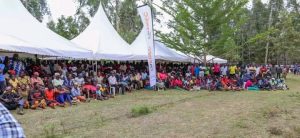
 ADVERT
Ultimately, the Wambusa KPLC and Ndori School REREC projects symbolize a turning point in rural transformation. Through LMCP and the leadership of the Ministry of Energy and Petroleum, Kenya is making steady progress toward universal electricity access. These initiatives illuminate homes, schools, and communities, sparking hope and opening pathways to prosperity. As Kenya continues its journey toward inclusive development, electrification remains a powerful catalyst for building a resilient, equitable, and forward-looking nation.


