 ADVERT
 ADVERT
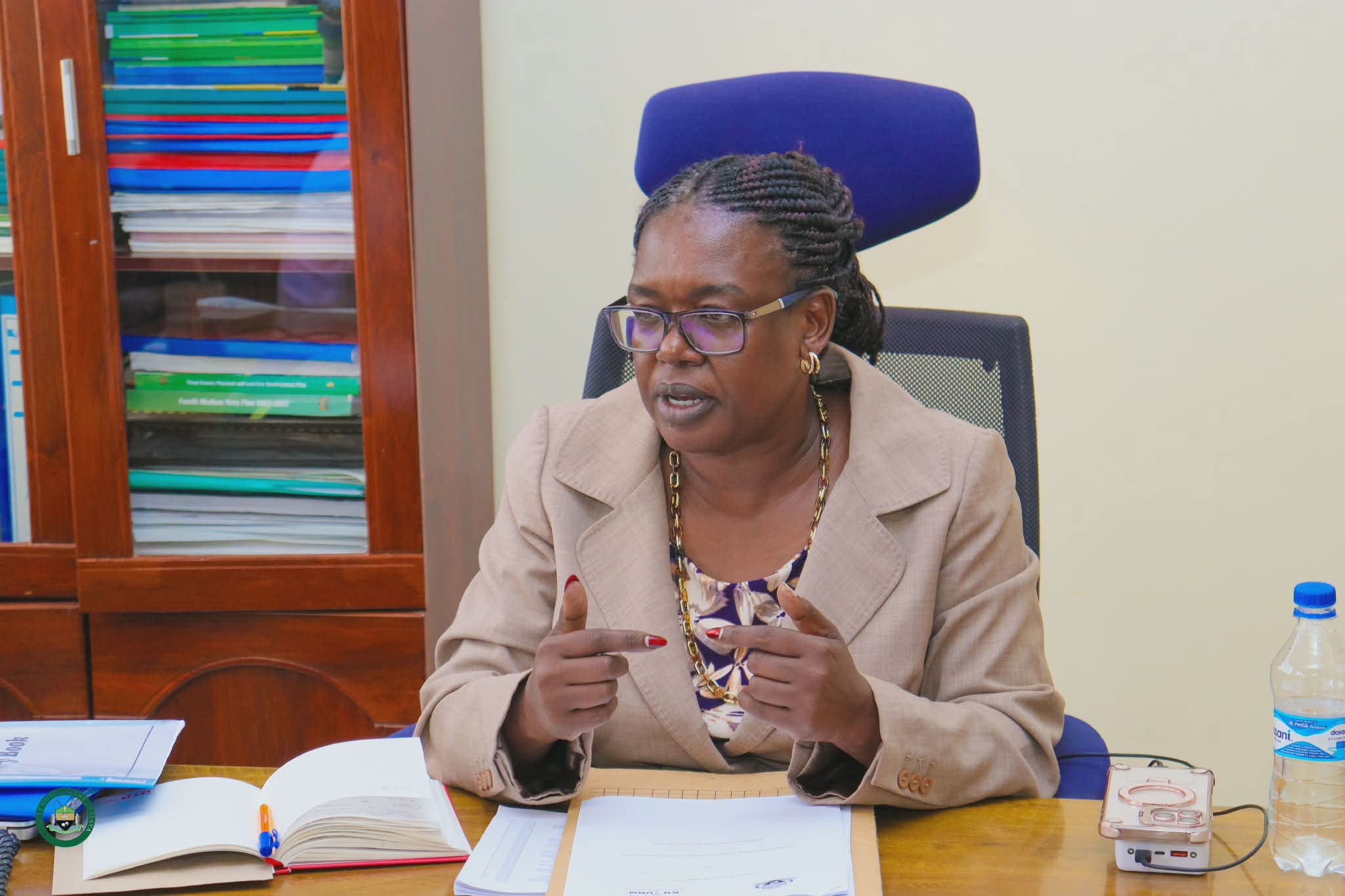
Siaya County Secretary Elizabeth Adongo has stepped straight into a defining leadership test, convening urgent talks with striking nurses in a bid to end a paralysing healthcare shutdown and restore critical services across the county.
In a high-level meeting with officials from the Kenya National Union of Nurses and Midwives (KNUNM), led by Siaya branch Secretary Hamisi Hamisi, Adongo pushed for the immediate adoption of a jointly negotiated Return-to-Work Agreement — the product of what she described as sustained, good-faith negotiations between the county and union leadership.
The talks mark a crucial turning point as the county races against time to resolve a dispute that has left patients stranded and facilities stretched.
Adongo struck a firm yet conciliatory tone, reaffirming the county’s commitment to dialogue as the primary pathway out of the crisis.
She revealed that significant headway has already been made on long-standing concerns raised by nurses, including:
 ADVERT
– Timely and consistent payment of salaries
– Continued progress in Unified Payroll Number (UPN) processing
– Structured promotion frameworks for health workers
– Enhanced support for training and professional development
– Plans for recruitment to ease staffing shortages
“These are tangible gains, not empty assurances. We are addressing the core issues raised by our healthcare workers,” she said.
With the strike biting deeper into the county’s healthcare system, Adongo issued a direct appeal to nurses to resume duty while negotiations continue — framing the moment as a shared responsibility to the public.
“I respectfully urge our nurses to return to work so that together we can safeguard the health and well-being of the people of Siaya, even as we continue to protect and advance the rights of our healthcare workers,” she stated.
The standoff underscores a familiar challenge facing devolved units: reconciling legitimate labour demands with the urgent need to maintain uninterrupted health services.
For Siaya, the stakes are especially high. Recurrent disputes with medical personnel have exposed systemic weaknesses in workforce management, funding flows, and human resource planning.
Now at the centre of the crisis, Adongo’s handling of the negotiations could shape both her tenure and the county’s labour relations trajectory.
Whether the Return-to-Work Agreement holds — and whether nurses heed the call to resume duty — will determine how quickly normalcy returns to hospitals and clinics.
For thousands of residents depending on public healthcare, the outcome cannot come soon enough.


