 ADVERT
 ADVERT
Alego-Usonga MP Samuel Onunga Atandi is increasingly finding himself caught between two contrasting realities — a rising national profile and a restless, dissatisfied electorate back home.
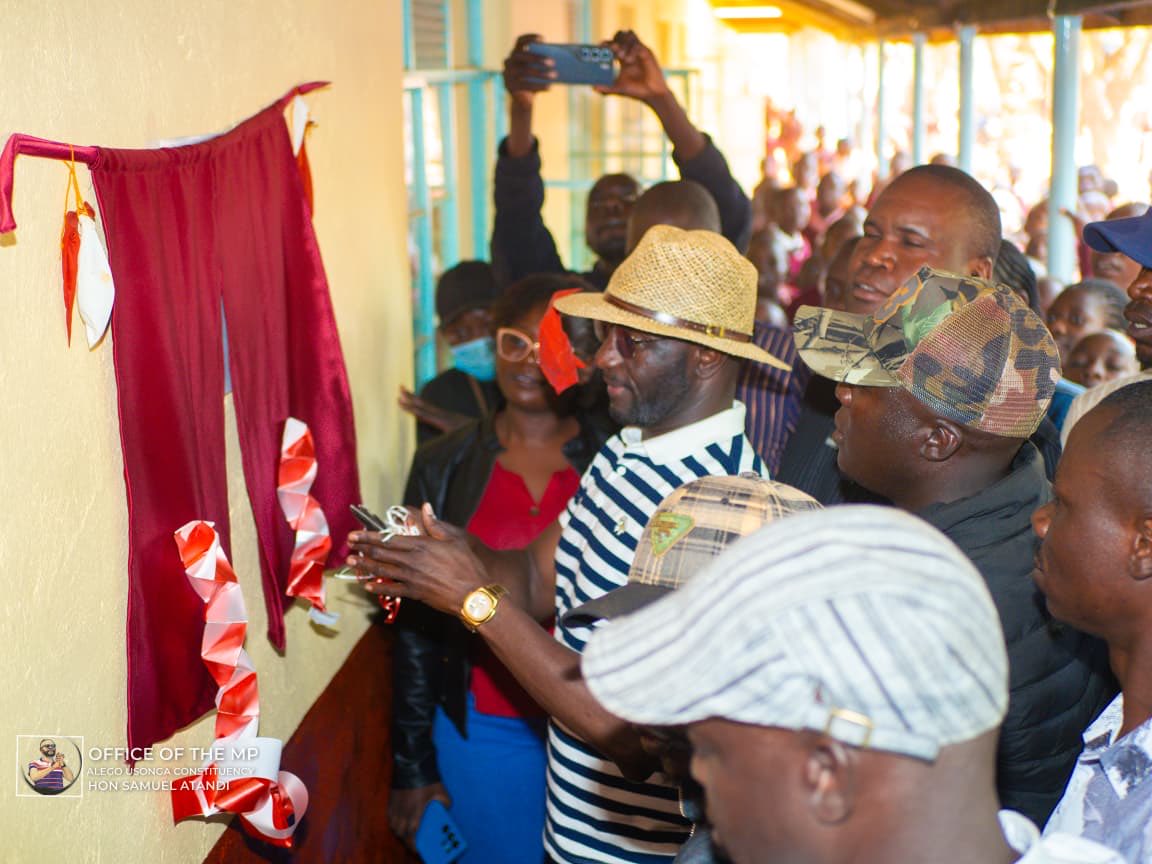
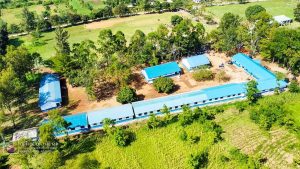
On Friday, the legislator, who chairs the powerful National Assembly Budget and Appropriations Committee, commissioned renovation works at Nyajuok and Awelo Primary Schools in his constituency. The events came just days after Treasury Cabinet Secretary John Mbadi unveiled the ambitious KSh4 trillion national budget — a fiscal blueprint widely associated with Atandi’s committee.
But even as Atandi consolidates his influence at the heart of Kenya’s financial decision-making, murmurs of discontent are growing louder in Alego-Usonga.

Atandi’s ascent to chair one of Parliament’s most influential committees marked a significant political milestone, placing him at the center of national resource allocation. His allies argue that his new role enhances his ability to lobby for development projects not only for his constituency but for the broader region.
However, a section of Siaya residents now claim that the tangible impact of that influence is yet to be felt on the ground.
 ADVERT
Critics have taken issue with what they describe as “cosmetic development,” accusing the MP of repackaging minor renovations as major achievements. The commissioning of Nyajuok and Awelo Primary Schools has, in particular, drawn scrutiny, with residents alleging that the projects largely involved repainting existing structures rather than constructing new facilities.
“He is posting ‘new look schools’ online, yet there are no new classrooms. We expected more given his position,” lamented one resident.
The criticism has taken on a sharper edge due to Atandi’s own past remarks. While serving as a member of the Budget and Appropriations Committee, he was a vocal critic of former chairman and Kiharu MP Ndindi Nyoro, whom he accused of allegedly channeling disproportionate development projects to his constituency — including school cabro pavements.
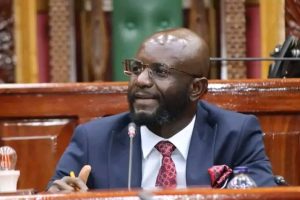
Now, political observers note, Atandi appears to be facing a similar spotlight, with constituents questioning whether he is living up to the standards he once demanded of others.
Beyond development concerns, some locals accuse the MP of engaging in what they term “confrontational and diversionary politics,” arguing that his public engagements increasingly lean toward national political battles rather than grassroots service delivery.
Yet supporters counter that such criticism fails to appreciate the demands of his national role.
“Chairing the Budget Committee is not a small job. It requires balancing national priorities. Development is not always about buildings; it’s also about policy and allocation,” said a political analyst familiar with parliamentary operations.
Atandi’s current predicament underscores a broader challenge faced by legislators who transition into high-ranking parliamentary roles: managing national responsibilities while meeting local expectations.
For many voters in Alego-Usonga, however, the equation remains simple — influence in Nairobi must translate into visible transformation at home.
As the debate intensifies, the MP’s political future may well hinge on his ability to bridge that gap — proving that his growing clout on the national stage can deliver more than just fresh coats of paint back in his constituency.
— Ends —


