 ADVERT
 ADVERT
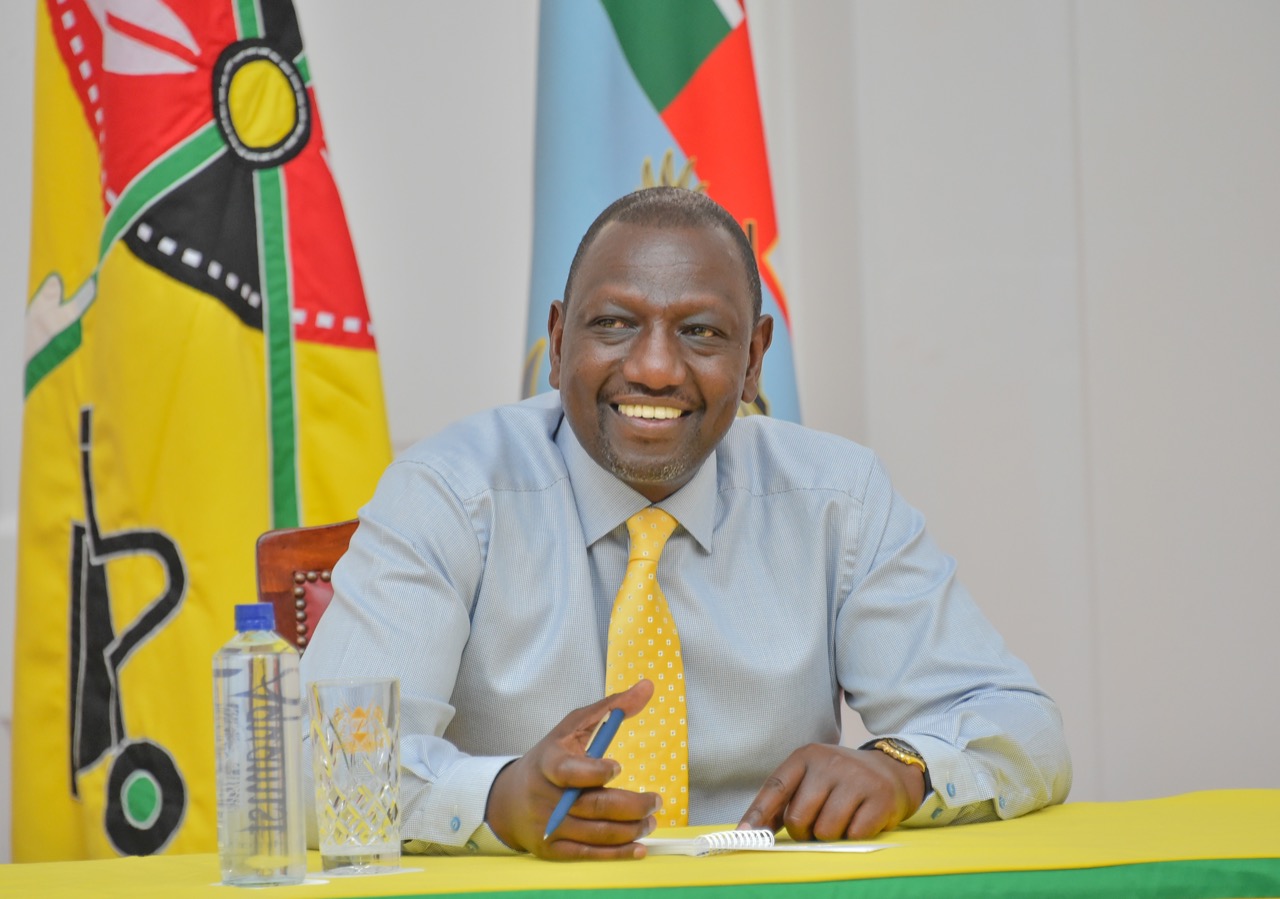
President William Ruto has made repeated forays into Luo Nyanza, delivering speeches, commissioning projects, and extending symbolic gestures of outreach. Yet voter apathy in the region remains stubbornly entrenched. If the President genuinely wishes to change this dynamic ahead of the next election, he must move beyond rhetoric and optics. The path forward lies in fostering real political competition and genuine inclusion at the grassroots level.
The most effective way to re-energize voters is to allow robust, open contests for all elective positions below the presidency. The United Democratic Alliance (UDA) should field strong, credible candidates for every seat—from Member of County Assembly (MCA) and Member of Parliament (MP) to Senator, Woman Representative, and Governor. The Orange Democratic Movement (ODM), for its part, should do the same. At the presidential level, Dr Ruto can remain the sole candidate under a broad coalition umbrella, with all supportive parties campaigning vigorously for him.
This arrangement offers voters real choice where it matters most: in their counties and constituencies. It restores excitement to local races while uniting diverse political forces behind one national ticket. By publicly welcoming every party and candidate willing to back his re-election—including smaller formations such as the Movement for Democracy and Growth (MDG)—President Ruto would signal that Luo Nyanza is no longer treated as a monolithic bloc but as a vibrant political space worthy of genuine engagement.
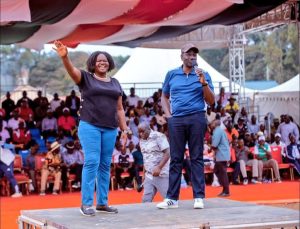
The alternative—zoning arrangements or hand-picking candidates—would almost certainly deepen disengagement. A number of entrenched ODM figures, among them Governor Gladys Wanga, Energy Cabinet Secretary Opiyo Wandayi, National Assembly Minority Whip Junet Mohamed, Homa Bay Town MP Peter Kaluma, Alego Usonga MP Samuel Atandi, Gem MP Elisha Odhiambo, Bondo MP Gideon Ochanda, Rarieda MP Otiende Amollo, and Senator Oburu Oginga, are known to favour such controlled selections. Yet experience shows that recycling familiar faces election after election sends a demoralizing message: nothing fundamental is changing. Voters, already fatigued, conclude that participation merely sustains a tired system in which local leaders prosper while the region’s preferred presidential candidate—long Raila Odinga—remains on the losing side.
Luo Nyanza is not short of political talent. Beyond the current establishment lie many capable and popular leaders who have been sidelined by rigid party loyalty, family ties, personal friendships, or patronage networks. Opening the field to these voices would inject competition, restore public trust, and remind voters that their ballot still carries weight.
 ADVERT
The lesson for President Ruto is clear and straightforward: embrace political pluralism without reservation. Campaign openly alongside a diverse slate of candidates, support them even-handedly, and walk the region with them—not just with the usual gatekeepers. Such an approach would do more than any number of rallies or project launches to reduce apathy and deliver a respectable share of votes from a region long considered politically out of reach.
The choice is binary. Continue with top-down control and symbolic outreach, and expect the same low turnout and marginal returns. Or champion real competition and inclusion, and watch a disenchanted electorate begin to re-engage. The President has the authority to choose the latter—and in doing so, rewrite the political script for Luo Nyanza.
Alphonso Bernard Otieno is a political commentator based in Siaya


