 ADVERT
 ADVERT
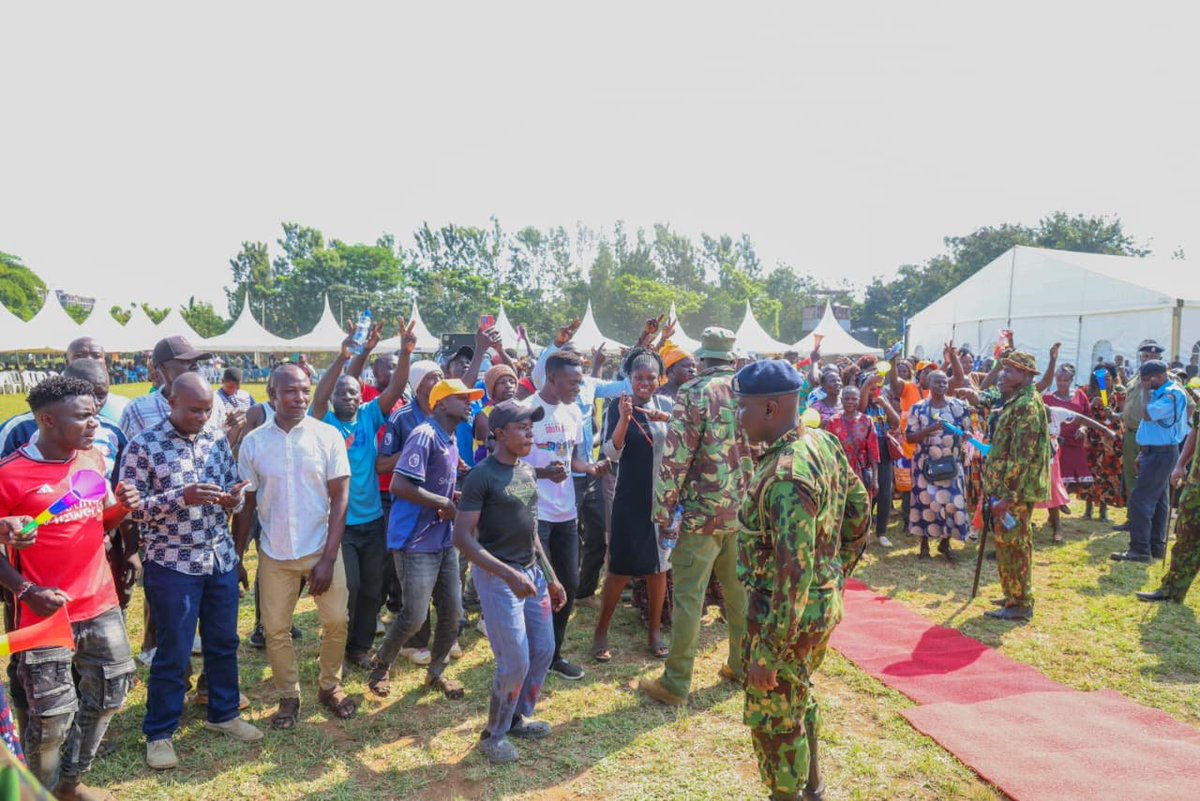
A high-profile fundraising event in Siaya County on Saturday took an unexpected political turn, exposing deepening divisions within Luo Nyanza’s leadership and raising fresh questions about the region’s political direction.
What began as a routine harambee quickly evolved into a charged political platform, with a host of senior leaders openly criticizing Siaya Governor James Orengo. Speaker after speaker delivered pointed remarks, painting a picture of dissatisfaction with the county leadership.
Among those who spoke critically were Gladys Wanga, Samuel Atandi, Elisha Odhiambo, and David Ochieng, alongside Cabinet Secretary Opiyo Wandayi. Their remarks, though varied in tone, converged on a common theme: urging the governor to shift focus from politics to service delivery.
However, it was Oburu Odinga who struck a more conciliatory tone. In a brief but notable intervention, Oburu defended Orengo’s legacy and called for patience and unity, suggesting that the governor remains a key figure in the region’s political future.
“I know Orengo is still out there, but he will come back, and when he does, we will walk together again,” Oburu said, in remarks that contrasted sharply with the prevailing sentiment.
 ADVERT
His speech, however, was momentarily disrupted by a section of rowdy youths, reportedly mobilized to energize the crowd. Visibly displeased, Oburu cut short his address and returned to his seat, signaling discomfort with the unfolding atmosphere.
The event also drew attention for the scale of financial pledges made by attending leaders. Contributions ranged from KSh 1 million to KSh 3 million, with another leader reportedly making a KSh 5 million donation. The generosity on display sparked murmurs among attendees, with some questioning the sources of such substantial contributions.
Political analysts observing the event argue that the gathering may have served a dual purpose—both as a fundraiser and a strategic show of political force aimed at isolating Governor Orengo.
“The messaging was unusually coordinated,” noted one political observer. “It suggests more than spontaneous criticism; it points to an emerging alignment within sections of the region’s leadership.”
Despite the intensity of the criticism, the long-term implications remain unclear. Governor Orengo, a seasoned political figure with a history of resilience, has yet to publicly respond.
The developments in Siaya now set the stage for what could evolve into a significant political contest within Luo Nyanza, as leaders recalibrate alliances ahead of future electoral cycles.
For residents, however, the central concern remains service delivery and development—issues that risk being overshadowed by escalating political rivalries.
Whether the latest show of unity among Orengo’s critics translates into tangible political change is a question that only time can answer.


