 ADVERT
 ADVERT
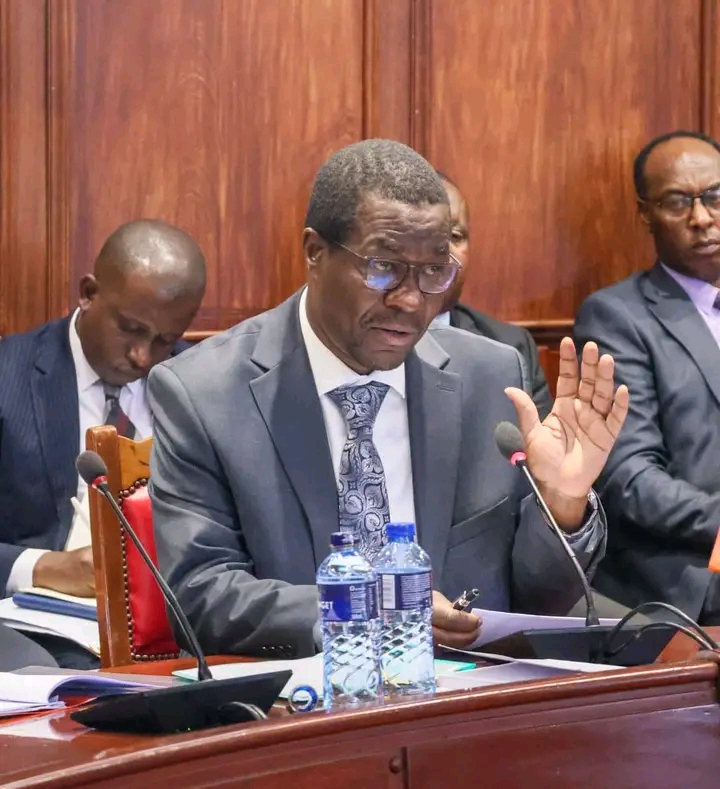
Kenya’s fuel sector is under intense scrutiny after the Cabinet Secretary for Energy and Petroleum, Opiyo Wandayi, faced tough questions from Parliament over persistent shortages, alleged hoarding, and a controversial contaminated oil shipment that has exposed deep cracks in the country’s supply chain.
Appearing before the National Assembly’s Departmental Committee on Energy, Wandayi defended the government-to-government fuel procurement model as a stabilizing mechanism amid global turbulence. However, lawmakers pressed for answers on procurement irregularities, opaque supplier approvals, and how a tainted consignment entered the system without formal clearance.
At the heart of the probe is a shipment linked to One Petroleum that reportedly contained dangerously high levels of manganese, sulphur, and benzene—substances known to damage engines, increase emissions, and pose serious health risks. Wandayi distanced the government from the cargo, stating it lacked his ministry’s approval and fell outside official procurement channels. But MPs argued that the explanation fell short, raising broader concerns about regulatory loopholes and enforcement failures.
The controversy unfolds against a backdrop of rising global tensions, particularly the Israel–Iran conflict, which continue to disrupt international oil routes, inflate costs, and delay shipments. These external shocks, lawmakers noted, are compounding domestic vulnerabilities—leaving Kenyan consumers and businesses exposed to erratic supply and price volatility.
Legislators linked the recurring shortages to hoarding by fuel retailers anticipating price hikes driven by global instability. According to Wandayi, regulators have issued 25 show-cause letters to non-compliant firms, warning of fines and licence suspensions.
 ADVERT
Yet MPs insisted enforcement alone is not enough. They argued that without transparent procurement systems and real-time stock monitoring, opportunistic practices will persist—undermining public trust and distorting the market.
The committee demanded full disclosure of all pre-qualified fuel suppliers, citing concerns that secrecy in procurement invites favouritism and weak vetting. Questions also arose over who bears the financial burden of rejected or contaminated shipments—whether suppliers, importers, or ultimately taxpayers.
While the ministry excluded the tainted consignment from monthly pump price calculations to shield consumers, lawmakers said the move only addresses symptoms, not root causes. They warned that lack of oversight at ports and inadequate real-time quality testing create fertile ground for substandard imports that can cripple the economy through increased vehicle maintenance costs and operational downtime.
In a bid to strengthen energy security, MPs revived calls for local refining capacity to reduce reliance on imported petroleum products. Wandayi described refining as a commercial venture best left to private investors but pointed to ongoing efforts to position Kenya for its first commercial crude oil export—an indication of gradual progress toward self-reliance.
Analysts argue that domestic refining would enhance quality control, stabilise supply, and shield the country from global disruptions and adulterated imports.
Committee members, including the vice chair, called for comprehensive reforms—ranging from mandatory public disclosure of suppliers and shipment data to stricter anti-hoarding measures such as surprise audits, compulsory stock reporting, and immediate penalties for violators.
Lawmakers also questioned the government’s claim of adequate national reserves, citing widespread pump-level shortages that contradict official figures. Planned site visits to pipeline facilities are expected to verify stock levels and expose any discrepancies.
MPs emphasized that fuel is not merely a commodity but a critical pillar of Kenya’s economy, affecting transport, agriculture, and the cost of living. They warned that supply disruptions disproportionately hurt low-income households by driving up food prices and public transport fares.
The ongoing parliamentary review is expected to culminate in binding policy recommendations, including procurement audits, enhanced quality assurance protocols, and real-time transparency dashboards.
Kenya’s fuel crisis has laid bare a system where procedure often outweighs public interest. Without full accountability, transparent procurement, and robust quality controls, the country risks recurring shortages, economic losses, and eroding public trust.
As pressure mounts on the Ministry of Energy, one message from Parliament is unmistakable: fuel security must be anchored not just in policy—but in transparency, accountability, and unwavering public oversight.
— James Bwire Kilonzo, Media and Communication Practitioner



