 ADVERT
 ADVERT
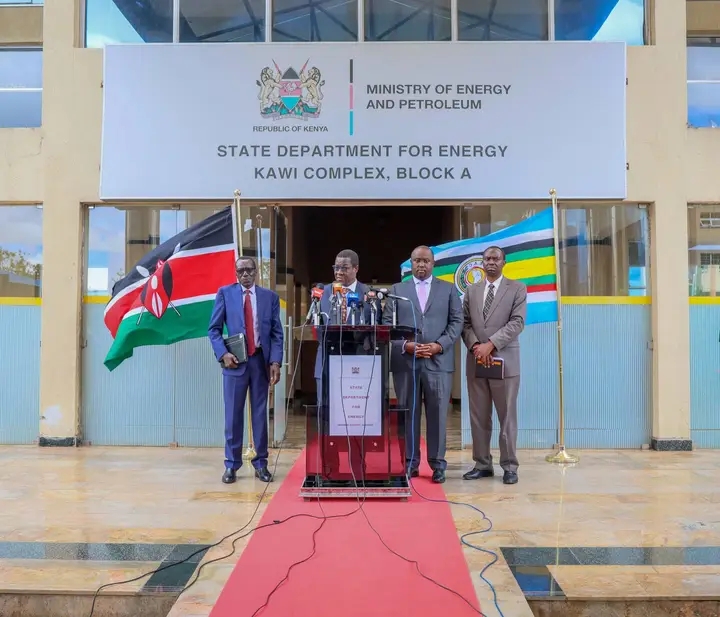
Cabinet Secretary Opiyo Wandayi’s decision to freeze electricity prices has delivered immediate relief to millions of Kenyans grappling with rising fuel costs and shrinking household incomes. But beneath the welcome pause lies a deeper policy dilemma—one that could shape the future stability of Kenya’s energy sector.
The government’s move to halt a planned tariff review by Kenya Power signals a clear priority: protect consumers from escalating living costs. In the short term, the logic is sound. Electricity is a basic necessity, and stabilising tariffs shields households and small businesses from additional financial strain, preserving purchasing power and supporting economic resilience.
However, this decision marks a critical crossroads. Freezing tariffs without addressing the underlying financial pressures facing Kenya Power risks deferring—rather than resolving—the sector’s structural challenges. The cost of electricity generation and transmission continues to rise, and without cost-reflective pricing, the burden is simply pushed into the future.
The trade-off is stark. While consumers benefit today, the long-term health of the electricity value chain may weaken. Reduced revenues can strain Kenya Power’s ability to service debt, meet contractual obligations, and invest in essential infrastructure. The likely consequences? Underinvestment, declining service reliability, and potentially steeper tariff hikes down the line.
Energy pricing in Kenya has always been politically sensitive. Any increase triggers public backlash, making tariff control an attractive policy lever. Wandayi’s announcement will likely be welcomed as responsive governance. Yet, without a clear reform roadmap, it risks being seen as a temporary political fix rather than a sustainable solution.
 ADVERT
Transparency will be key. Kenyans deserve clarity on why tariffs were set to rise and what measures are being taken to ease cost pressures within the sector. From expensive power purchase agreements to system inefficiencies and transmission losses, the drivers of high electricity costs must be openly addressed.
Equally important is the need for targeted consumer protection. Blanket tariff freezes benefit all users equally—including high-consumption households and large businesses—rather than focusing on the most vulnerable. A smarter approach would involve lifeline tariffs or targeted subsidies that shield low-income households while allowing gradual adjustments elsewhere.
On the supply side, reforms cannot wait. Investments in cheaper, renewable energy sources, improved grid efficiency, and modern metering systems are essential to lowering long-term costs. But such investments require capital—and a financially stable utility to attract it.
Institutional accountability must also take centre stage. A tariff freeze without performance conditions risks rewarding inefficiency. Clear benchmarks, stronger regulatory oversight, and professional management are critical to ensuring Kenya Power uses this breathing space to reform and improve.
Ultimately, this moment is a test of state capacity. Can the government balance immediate consumer relief with the hard decisions needed to secure long-term sustainability?
If the tariff freeze is followed by bold reforms, improved efficiency, and transparent governance, it could mark the beginning of a stronger, fairer energy sector. If not, it may simply delay an inevitable reckoning—one that could prove far more painful for both consumers and the economy.
For now, Kenyans can breathe a little easier. But the real work has only just begun.


