 ADVERT
 ADVERT
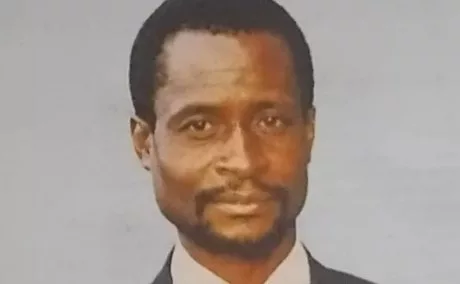
The passing of Mwalimu Daniel Oluoch Wandayi, a veteran educator and elder brother to Energy and Petroleum Cabinet Secretary James Opiyo Wandayi, has cast a solemn shadow across Siaya County—one that reaches far beyond private grief into the heart of public reflection on leadership, education, and community.
His death, following a short illness, is not merely the loss of a family patriarch. It marks the departure of a lifelong teacher whose influence, though rarely captured in headlines, helped shape generations through discipline, mentorship, and an unwavering commitment to learning. In the quiet corridors of classrooms and within the moral fabric of society, educators like Mwalimu Wandayi build the very foundations upon which public life stands.
Across Ugunja Constituency, mourning has taken on a communal character. Residents, former students, and leaders alike have come together in tribute—underscoring how deeply embedded educators are in the social and civic architecture of local communities. The presence and support of leaders, including Ugunja Member of Parliament Hon. Moses Omondi, reflects not just respect for the bereaved family but recognition of a life that served society with humility and purpose.
This moment of loss offers more than condolences—it presents a mirror to leadership. It underscores the reality that political authority draws legitimacy not only from policy and power, but from connection to community, respect for shared traditions, and recognition of those who quietly shape society. The moral authority of leaders is often rooted in the values instilled by teachers long before political careers begin.
As public officials gather in solidarity, their presence must transcend ceremonial obligation. True leadership is measured in empathy, consistency, and a willingness to transform grief into action. The death of Mwalimu Wandayi should ignite renewed commitment to strengthening educational institutions, improving teacher welfare, and preserving the legacies of those who dedicate their lives to service without expectation of recognition.
 ADVERT
Equally, this moment challenges both county and national governments to rethink how they honour educators—not just in death, but in life. Policies that safeguard retired teachers, investments in teacher development, and deliberate efforts to document local educational histories are critical in ensuring that such contributions are neither forgotten nor undervalued.
For the people of Siaya, the response to this loss will speak volumes about the health of local leadership. Will it inspire meaningful dialogue about human capital development? Will it lead to tangible support systems for educators and their families? Or will it fade into yet another fleeting moment of public sympathy?
At its core, this loss is deeply human. It calls for a pause in political rivalry and a return to compassionate leadership—one that values presence over pronouncements. It is through simple, sincere acts—standing with grieving families, attending final rites, and offering sustained support—that leaders earn the trust of the people they serve.
Funeral rites, in this context, become more than cultural obligations; they are civic reminders. They tell the story of a community shaped by individuals like Mwalimu Wandayi, whose daily sacrifices in classrooms nurtured the civic responsibility and social cohesion that sustain society.
His legacy must not be confined to a news cycle. Instead, it should galvanize a broader commitment to education as the backbone of development. It should reaffirm the central role of teachers in shaping not just academic outcomes, but national character.
While the immediate grief rests with the Wandayi family, the lessons resonate across Siaya and beyond. They call on leaders to turn sympathy into substance, to honour service with action, and to recognize that the journey to national leadership often begins in the humble classroom.
If there is meaning to be drawn from this quiet loss, it is this: that the truest measure of leadership lies not in visibility, but in impact—and that the voices that shape nations are often those spoken softly, from the front of a classroom.
James Kilonzo Bwire is a Media and Communication Practitioner


