 ADVERT
 ADVERT
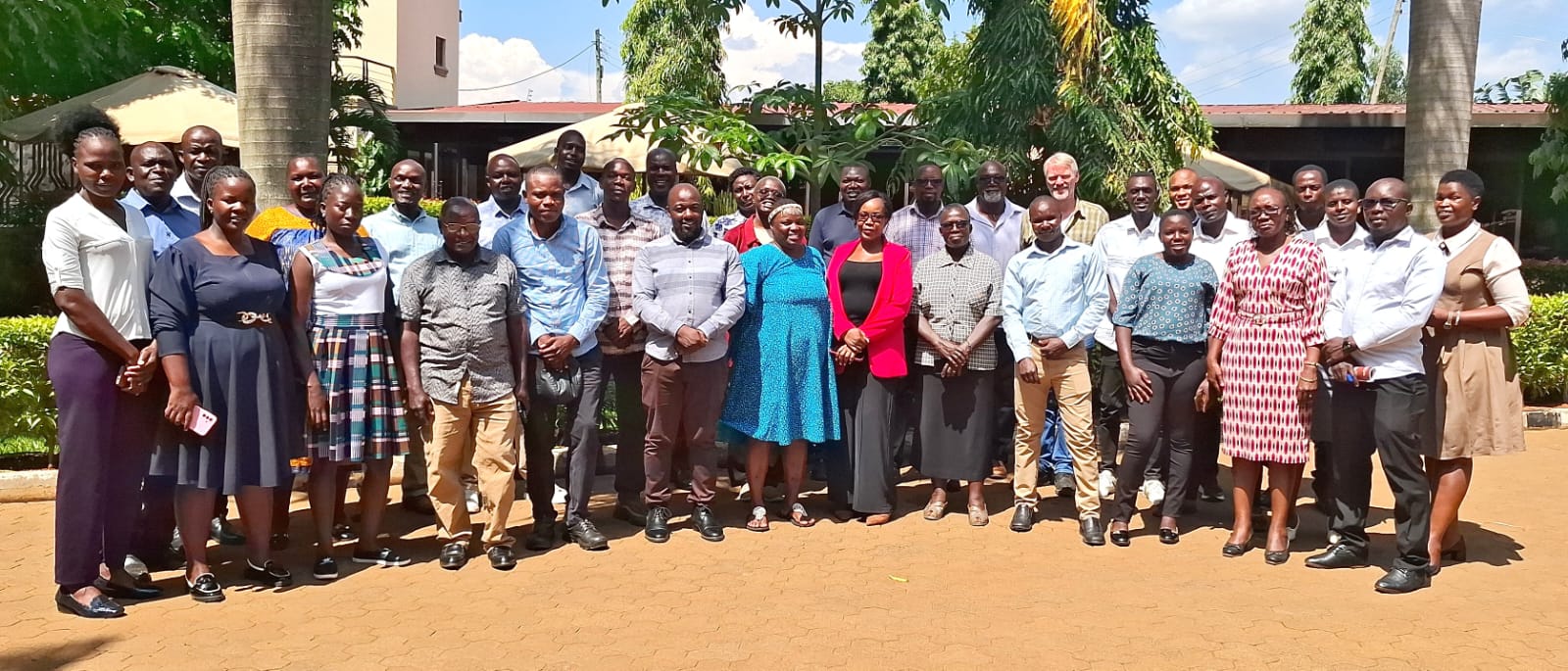
The County Government of Siaya has partnered with a consortium of non-governmental organisations and academic institutions to strengthen the financial, commercial and governance capacity of managers running rural water utilities as the county steps up efforts to end persistent water shortages.
The five-day training programme is targeting water utility managers, sub-county water engineers and staff of Siaya-Bondo Water and Sewerage Company (SIBOWASCO), with stakeholders hoping the initiative will breathe new life into struggling and ageing water schemes across the county.
Sam Opot, Patron of the Sirembe Community Water and Sanitation Project, said weak governance, financial management challenges and commercial inefficiencies have contributed to the poor performance of some rural water schemes.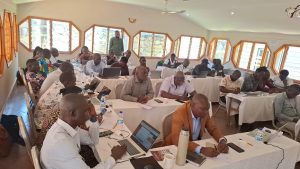
He said equipping utility managers with the right skills would help transform the schemes into sustainable entities capable of delivering reliable services to residents.
“To save the people of Siaya from water distress, they decided to capacity-build those running the schemes with a view to revitalising the ‘dead’ rural water schemes,” Opot said.
 ADVERT
Speaking during the opening of the ecological workshop in Siaya, Opot said the training would also provide an opportunity for stakeholders to identify gaps threatening the sustainability of water schemes and develop practical solutions.
The initiative brings together Strathmore University, African Water Watch, Kumasi Technical University, 3DA, Ghana’s Ministry of Water and IHDF DELF from the Netherlands.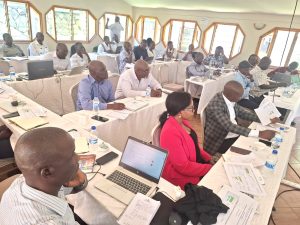
According to Opot, the partners intend to build a network that can subsequently mobilise resources to rehabilitate ageing water infrastructure and restore stalled rural water schemes.
Siaya’s piped water coverage currently stands at 63 per cent, an improvement from 58 per cent in 2022. Stakeholders are now banking on better-managed water utilities to push coverage beyond the county’s 65 per cent target by 2027.
Opot, however, warned that non-revenue water remains one of the biggest threats to the sustainability of water utilities in Siaya.
Water lost through leaking infrastructure, theft, faulty meters and vandalism denies utilities revenue that could otherwise be invested in maintenance and expansion.
“These inefficiencies not only strain utility budgets but also result in higher tariffs and service disruptions for consumers,” he said.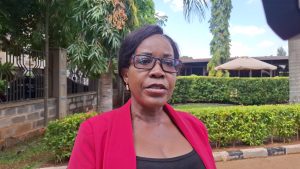
The County Government has welcomed the capacity-building initiative, saying stronger water utilities are critical to achieving sustainable access to clean and reliable water.
Siaya Chief Officer for Water and Irrigation, Judith Oyugi, said Governor James Orengo’s administration remains committed to achieving and surpassing the 65 per cent water coverage target by 2027.
“We are currently at 63 percent. We need only two percentage points to hit our target, and we hope to go well beyond that and eventually reach 100 percent,” Oyugi said.
She said the ongoing training of six sub-county water engineers, water utility managers and SIBOWASCO staff would strengthen the company’s financial and commercial systems while improving service delivery.
Oyugi expressed optimism that SIBOWASCO would emerge as a financially viable and professionally managed utility capable of providing dependable water services to residents.
She also called for sustained capacity-building programmes for water engineers, utility managers and company staff, arguing that professional management would ensure residents receive greater value from public investments in the water sector.
The training comes at a critical time for Siaya, where ageing infrastructure, revenue losses and underperforming rural water schemes continue to undermine efforts to expand access.
With water coverage now at 63 per cent, stakeholders say the remaining gap to the 2027 target will require not only new infrastructure but also better governance, stronger financial controls, reduced water losses and commercially sustainable water utilities.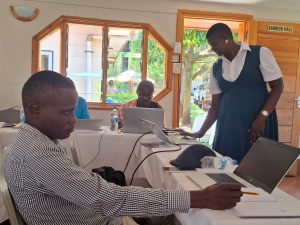
The partners hope the new approach will turn struggling schemes into functioning community assets while unlocking additional funding for infrastructure rehabilitation and expansion.
For Siaya residents facing unreliable water supplies, the success of the initiative could ultimately determine whether the county’s 65 per cent target becomes another government statistic—or the beginning of a broader push towards universal access to reliable water.



