 ADVERT
 ADVERT
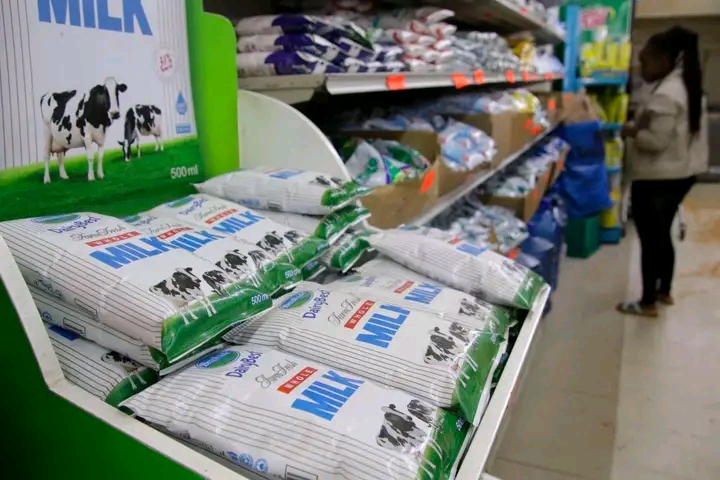
Kenya’s unfolding milk shortage has exposed uncomfortable cracks in the country’s dairy sector, with consumers confronting empty shelves, processors struggling for supplies and the Government battling claims that powerful middlemen may be distorting the market.
The crisis is no longer simply about a packet of milk missing from a supermarket shelf. It is increasingly becoming a test of the Government’s ability to protect farmers, regulate the dairy value chain and guarantee consumers a stable supply of one of the country’s most essential foods.
The Kenya Dairy Board has acknowledged supply constraints in parts of the country, with formal milk deliveries to processors falling from 84.4 million litres in June to 81.3 million litres in July—a 3.7 per cent decline. Preliminary indications point to a further reduction in August.
The Government has largely blamed prolonged dry conditions, declining pasture and pressure on animal-feed supplies. Agriculture and Livestock Development Cabinet Secretary Mutahi Kagwe has, however, introduced another dimension to the debate, pointing to brokers allegedly offering farmers better prices and diverting milk away from processing plants.
That explanation deserves serious scrutiny.
 ADVERT
If brokers can consistently outbid cooperatives and processors for raw milk, the question is not merely why farmers are selling to them. The bigger question is whether Kenya’s dairy market has developed structural weaknesses that allow intermediaries to exercise disproportionate influence over supply and prices.
For years, farmers have complained about production costs, fluctuating farm-gate prices, delayed payments and expensive feeds. Consumers, meanwhile, continue to face rising prices. The current shortage therefore exposes a value chain in which neither end appears adequately protected.
There is also a danger in reducing the crisis to weather alone.
Dry conditions undoubtedly affect milk production. But weather cannot explain every weakness in a market where supply can be diverted, prices can rise sharply and retailers can suddenly struggle to replenish popular brands. The Government must establish precisely where the milk is going, who controls its movement and who benefits when formal processors cannot secure adequate supplies.
Recent market surveillance by the Kenya Dairy Board identified low stock levels, reduced availability of some brands and pack sizes and delayed replenishment in some outlets.
That should trigger more than reassurance.
It should trigger a transparent investigation of the entire dairy supply chain—from the farm gate and cooperatives to brokers, transporters, processors, distributors and retailers.
The stakes are significant because milk is not a luxury commodity. It is a basic household food consumed daily by millions of Kenyans, including children. Any prolonged disruption therefore has implications for household budgets, nutrition and food security.
The wider cost-of-living crisis makes the situation even more sensitive. The Standard has reported that Kenyan households are already buying less as shortages of milk and other basic foods push prices higher.
Government must therefore resist the temptation to manage the optics of the shortage instead of confronting its causes.
A temporary supply disruption may ease when rains return and pasture improves. But if the underlying problems of weak regulation, fragmented supply chains, costly production and questionable market practices remain unresolved, Kenya will simply be waiting for the next crisis.
The answer should begin with hard data and decisive enforcement.
Authorities should establish how much milk is produced, how much reaches formal processors, how much is traded outside the formal system and where significant price or supply anomalies occur. If cartel-like behaviour or deliberate market manipulation is found, those responsible should face the law.
At the same time, farmers need practical support to increase productivity. Reliable access to affordable feeds, water, veterinary services, quality breeding and functional cooperatives is far more valuable than political promises made whenever shelves go empty.
Consumers also deserve protection. As shortages persist, the risk of unscrupulous traders exploiting scarcity increases. The Kenya Dairy Board has already warned against adulterated and unpasteurised milk being sold through unregulated channels.
Kenya’s milk shortage is therefore a warning shot.
It exposes a dairy sector vulnerable to weather shocks, supply disruptions and market manipulation while farmers and consumers remain at opposite ends of a chain that appears increasingly difficult to control.
The Government must now move beyond explanations and demonstrate command of the dairy market.
Kenyans do not simply need assurances that milk will return to supermarket shelves. They need to know why it disappeared, who profited from the shortage and what will be done to ensure the crisis does not become a recurring feature of the country’s food economy.



