 ADVERT

 ADVERThttps://youtu.be/Sny2O4mVqxU?feature=shared
Kenya’s energy future demands more than ambitious targets and renewable energy investments. It requires bold thinking, strategic diversification and long-term planning capable of guaranteeing reliable, affordable and sustainable electricity for generations. That was the underlying message at the Sustainable Energy Conference organised by KenGen, where the Nuclear Power and Energy Agency (NuPEA) made a compelling case for nuclear energy as a critical pillar of Kenya’s evolving electricity landscape.
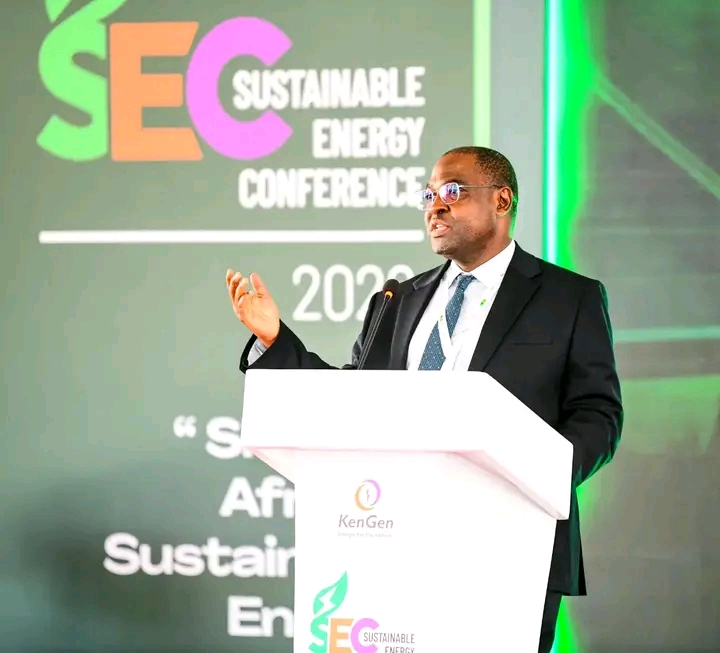
When Cabinet Secretary for Energy and Petroleum Opiyo Wandayi officially opened the day’s sessions, the government’s commitment to advancing the country’s sustainable energy agenda was brought into sharp focus. However, it was NuPEA Chief Executive Officer Justus Wabuyabo’s presentation that added a particularly important long-term perspective to the conversation.
Wabuyabo confronted a question Kenya can no longer afford to postpone: how will the country meet its rapidly growing electricity demand while maintaining environmental sustainability, strengthening energy security and supporting industrial transformation?
His answer was unequivocal. Nuclear power deserves serious consideration as part of Kenya’s long-term energy strategy.
Beyond Renewable Energy: The Case For Reliable Power
 ADVERT
Kenya has made commendable progress in developing renewable energy, particularly geothermal, hydro, wind and solar. These investments remain indispensable to the country’s clean energy ambitions.
However, the challenge is not simply generating more clean electricity. It is ensuring that electricity remains available consistently, regardless of changing weather conditions or seasonal variations.
Solar generation depends on sunlight, wind power on prevailing wind conditions, while hydroelectric generation can be affected by rainfall patterns and water availability. Nuclear energy offers a complementary advantage: the ability to provide dependable, low-carbon electricity continuously over extended periods.
This is where Wabuyabo’s argument becomes particularly significant.
A modern electricity system requires both clean energy and reliable baseload generation. Nuclear power can help bridge that gap, supporting grid stability while complementing Kenya’s established renewable energy resources.
The objective should not be to replace renewable energy but to develop a diversified electricity portfolio capable of meeting demand around the clock.
Energy Security Is A National Priority
Wabuyabo also placed considerable emphasis on energy security, an issue with far-reaching implications for Kenya’s economic stability and national development.
Energy security means having the capacity to supply electricity reliably to households, hospitals, schools, businesses and industries without excessive vulnerability to supply disruptions.
Nuclear power offers strategic advantages in this regard. Its relatively small fuel requirements, long operating cycles and high capacity factors can contribute to a more predictable electricity supply.
For a developing economy seeking to expand manufacturing, attract investment and accelerate digital transformation, dependable electricity is not a luxury. It is an economic necessity.
Kenya must therefore avoid an energy planning approach that concentrates on generation capacity without adequately considering reliability, affordability and the resilience of the national grid.
A balanced energy mix provides a stronger foundation for managing future demand and reducing exposure to supply uncertainties.
Nuclear Energy Is Bigger Than Electricity
Perhaps one of the most important dimensions of Wabuyabo’s presentation was the connection between nuclear energy and sustainable development.
A nuclear power programme is not merely about constructing a power plant. It involves developing scientific knowledge, engineering expertise, regulatory institutions, research capacity and specialised human resources.
These capabilities have applications extending far beyond electricity generation.
Nuclear science already plays important roles in medicine, agriculture, industrial research and other scientific fields. A carefully developed national nuclear programme can therefore create opportunities for universities, researchers, engineers and young professionals.
It can also stimulate technological partnerships, specialised training and the growth of supporting industries.
The larger opportunity is to build national capacity that will serve Kenya long after individual energy projects have been completed.
This requires patience, institutional discipline and sustained investment in people.
Nuclear And Renewables Must Work Together
An important strength of NuPEA’s position is its recognition that nuclear energy and renewable sources should not be treated as competing alternatives.
Kenya is fortunate to possess substantial renewable energy resources. Geothermal, hydro, wind and solar will remain central to its electricity future.
Nuclear power should complement these investments by providing dependable generation as electricity demand expands.
The country must also invest in transmission infrastructure, grid modernisation, energy storage and efficient electricity management.
Ultimately, the strength of Kenya’s energy sector will depend not on the popularity of individual technologies but on how effectively different sources are integrated into a reliable and affordable national system.
Wabuyabo’s presentation offered a timely reminder that energy diversification is a strategic necessity, not merely a technical preference.
Public Confidence Must Come Before Nuclear Ambitions
Yet nuclear energy is a serious undertaking, and its development must be accompanied by equally serious governance.
Public confidence cannot be manufactured through promotional campaigns or official assurances. It must be earned through transparency, credible regulation, independent oversight and unwavering adherence to internationally recognised safety standards.
Questions surrounding nuclear safety, radioactive waste management, environmental protection, financing and emergency preparedness deserve honest and informed public discussion.
The continued engagement of stakeholders at NuPEA’s exhibition booth during the conference was therefore an encouraging development. It provided an opportunity to explain the nuclear programme, exchange information and respond to questions from participants.
Such engagement should extend beyond conferences and technical exhibitions to communities, educational institutions, civil society organisations and other stakeholders.
Kenyans deserve to understand both the opportunities and responsibilities associated with nuclear energy.
The success of a national nuclear programme will depend not only on technical competence but also on public trust.
Powering Industrialisation And Economic Transformation
Reliable electricity is fundamental to Kenya’s economic ambitions.
Manufacturing, agriculture, healthcare, digital services, small businesses and large-scale industrial investments all depend on dependable and competitively priced power.
Unreliable electricity increases operating costs, discourages investment and undermines productivity. Conversely, a resilient energy system can strengthen industrial competitiveness, stimulate innovation and support employment creation.
Nuclear energy could contribute to this transformation by strengthening the country’s long-term generation capacity.
However, ambition must be matched by financial and institutional discipline. Nuclear projects require substantial capital investment, rigorous regulatory compliance, highly specialised personnel and careful integration into the national grid.
Their economic viability must be demonstrated through transparent planning, credible financing arrangements and sound project management.
Nuclear power should not be sold as a quick solution to Kenya’s electricity challenges. It is a long-term strategic investment whose benefits depend on responsible preparation and execution.
Wandayi’s Presence Signals Strategic Government Interest
The participation of Cabinet Secretary Opiyo Wandayi in officially opening the conference’s sessions gave the discussions additional policy significance.
It demonstrated the importance attached to sustainable energy development and the need to examine credible options for meeting Kenya’s future electricity requirements.
NuPEA’s contribution reinforced the argument that nuclear energy should form part of the country’s broader energy policy conversation.
Wabuyabo’s presentation was particularly important because it moved the debate beyond the conventional question of whether Kenya should embrace nuclear power to the more substantive question of how the country can prepare for it responsibly.
That is the conversation Kenya needs.
In my view, the country must approach nuclear energy with both ambition and discipline. Ambition is necessary because electricity demand will continue to grow alongside population expansion, industrialisation and technological advancement. Discipline is equally essential because nuclear technology demands exceptional standards of safety, financing, regulation and institutional preparedness.
Kenya cannot afford to approach such a transformative undertaking casually.
The Future Requires Courage, Preparation And Public Participation
The nuclear energy conversation must continue, informed by evidence, technical expertise and meaningful public participation.
Kenya needs an electricity system capable of supporting economic growth, protecting the environment and delivering reliable services to citizens. No single energy source can accomplish that task alone.
The country’s future lies in a carefully balanced strategy that maximises its renewable resources, strengthens transmission infrastructure, develops human capital and evaluates nuclear energy within a sound national development framework.
Wabuyabo’s presentation at the Sustainable Energy Conference made a persuasive case for nuclear power as a contributor to low-carbon generation, energy security and sustainable development.
His central message deserves serious consideration: nuclear energy is not simply about tomorrow’s electricity. It is about the scientific, institutional and technological capacity Kenya must build today to secure its future.
For a country aspiring to become an industrial and technologically competitive economy, the energy question is too important to be left to short-term thinking.
Kenya must plan boldly, regulate firmly, engage honestly and prepare thoroughly.
That is the serious business of securing the country’s energy future.
Photo: Courtesy of the Sustainable Energy Conference organisers.