 ADVERT
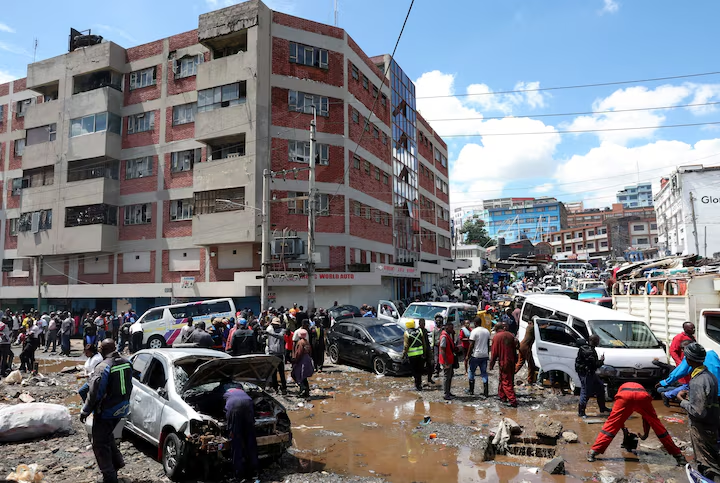
Nairobi is drowning in anger as much as in water.
Torrential rains that battered Kenya throughout March 2026 have claimed at least 81 lives nationwide, with 37 of those deaths in the capital alone. Flash floods turned major roads into raging rivers, swept away vehicles, marooned commuters for hours, and destroyed homes and businesses across the city. As the waters finally recede, one question echoes from Kibera to Westlands, from Mathare to the city centre: Why is this still happening?
Residents are pointing fingers squarely at inadequate infrastructure and years of poor urban planning — and they are holding Nairobi Governor Johnson Sakaja accountable.
The scenes were heartbreaking and chaotic. Cars floated like debris in submerged streets. Families waded through waist-deep, muddy water carrying whatever they could salvage. In some areas, rescue teams pulled bodies from the floodwaters. Traffic ground to a complete standstill, with drivers trapped inside vehicles as levels rose dangerously. Shops and homes in low-lying areas were gutted overnight.

“This is not just rain,” one frustrated resident in the city centre said. “This is years of neglect coming home to roost.”
Critics, including politicians like Embakasi East MP Babu Owino and several senators, have been vocal. A Senate report highlighted “years of mismanagement, poor city planning, and weak law enforcement” as key factors behind the repeated flooding. Many are calling for stronger action — and in some quarters, even the governor’s resignation.
Governor Sakaja has pushed back, describing the crisis as a “national disaster” that cannot be fixed by the county government alone. He points to Nairobi’s historical foundations — built on swampy terrain over a century ago — combined with rapid population growth, encroachment on riverbanks, blocked drains, and insufficient funding for massive infrastructure upgrades. The county needs tens of billions of shillings for a proper stormwater system, he argues, far beyond its current budget.
In response, Sakaja has ordered a swift 48-hour action plan to clear drains, repair damaged roads, and map flood hotspots. He has also defended last year’s controversial evictions along riverbanks, insisting they prevented even greater loss of life this time. Recently, he announced plans for the full rehabilitation of the Nairobi Dam to better safeguard residents from future floods.
Yet for many Nairobians, these explanations ring hollow after repeated cycles of the same tragedy every rainy season. Social media has been flooded with frustration, with hashtags demanding accountability and better governance trending strongly. “We pay taxes for roads and drainage, not excuses,” sums up the prevailing mood.
The truth is painful but clear: Nairobi’s flooding is no longer a surprise. Meteorological warnings come every year, yet the city’s drainage systems remain outdated and overwhelmed. Unchecked development on wetlands and river reserves, coupled with poor waste management and enforcement, has made a bad situation worse.
As funerals continue and families count their losses, the message from residents is loud and simple: Enough talk. Nairobi deserves modern infrastructure that can handle the rains it has always received. It deserves a city that works — not one that floods predictably and fatally.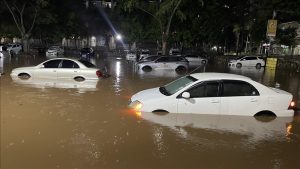
The rains may stop for now, but the pressure on Governor Sakaja and county leaders is only rising. The coming weeks will show whether this latest disaster finally forces real, lasting change — or if Nairobi will simply brace itself for the next downpour.


