 ADVERT
 ADVERT
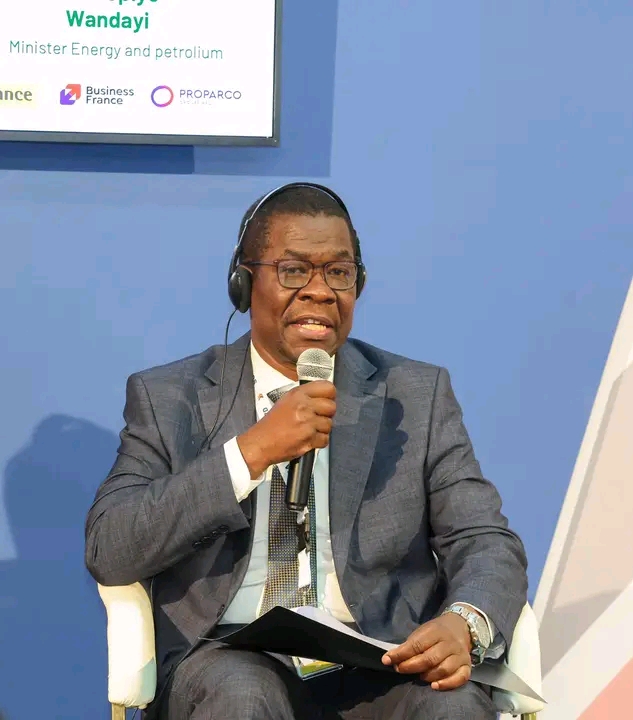
Cabinet secretary for Energy and Petroleum Opiyo Wandayi signed a Letter of Intent on Cooperation in Nuclear Energy between the Republic of Kenya and the French Republic at State House, Nairobi. The event took place under the presence of His Excellency President Dr. William Samoei Ruto and His Excellency President Emmanuel Macron. This moment reflects a deliberate and structured step in Kenya’s energy diplomacy and long term planning for its energy future. The agreement represents a formal commitment between Kenya and France to work together in advancing nuclear energy development as part of a broader national agenda focused on energy security, clean energy expansion, and economic transformation. It is a development anchored on the recognition that energy remains central to the country’s growth and stability.
The signing of the Letter of Intent positions nuclear energy as part of Kenya’s evolving energy considerations. It signals a willingness by the government to explore advanced energy systems that can support long term national needs. Cabinet secretary Opiyo Wandayi’s role in this process reflects the responsibility placed on the Ministry of Energy and Petroleum to guide Kenya into diversified and reliable energy pathways. The presence of both President Ruto and President Macron at State House during the signing underscores the importance attached to this cooperation at the highest levels of leadership in both countries. It is a demonstration of shared intent to strengthen institutional collaboration and build frameworks that can support future energy programs.
This engagement between Kenya and France introduces a structured pathway for technical cooperation in nuclear energy development. It creates space for knowledge exchange, institutional strengthening, and capacity development between the two countries. France brings long established experience in nuclear energy systems, while Kenya brings its growing demand for stable and reliable energy to support its national transformation agenda. The Letter of Intent therefore serves as a foundation for building frameworks that can guide future collaboration in energy planning, safety systems, technical training, and regulatory development. It is a step that aligns with Kenya’s intention to broaden its energy base beyond conventional sources.
The State House engagement marked a significant diplomatic and policy moment in Kenya’s energy journey. Cabinet secretary Wandayi’s signing of the agreement reflected the government’s focus on structured energy planning that supports national development priorities. President Ruto’s presence reaffirmed the administration’s commitment to strengthening Kenya’s energy infrastructure as part of its broader economic agenda. President Macron’s participation highlighted France’s readiness to support Kenya in developing new energy frontiers. The interaction between the two heads of state and their respective delegations reinforced the importance of international cooperation in addressing energy challenges and opportunities.
Kenya’s engagement in nuclear energy cooperation with France is closely tied to its long term energy security considerations. The government continues to focus on ensuring that energy supply remains stable, reliable, and capable of supporting industrial growth, urban development, and social progress. This agreement provides a framework through which Kenya can explore nuclear energy as part of a diversified energy mix. Cabinet secretary Wandayi’s involvement reflects continuity in policy direction aimed at strengthening the country’s energy resilience. The collaboration also creates opportunities for institutional learning and development in areas that are critical to managing complex energy systems.
 ADVERT
The partnership further supports Kenya’s clean energy development agenda. Nuclear energy is being considered within the broader context of expanding clean energy options that align with global and national environmental commitments. Through this cooperation, Kenya seeks to deepen its understanding of advanced energy technologies while ensuring that future energy planning remains aligned with sustainability goals. The agreement with France opens the door for structured dialogue on regulatory systems, technical standards, and institutional readiness required for such advanced energy development. It reflects a deliberate effort to integrate modern energy solutions into Kenya’s development framework.
Economic transformation remains central to the significance of this partnership. Reliable energy supply is a key driver of industrial development, investment attraction, and service sector expansion. The cooperation between Kenya and France in nuclear energy is therefore not only a technical engagement but also a strategic economic initiative. It supports the government’s broader objective of strengthening infrastructure that can sustain long term growth. Cabinet secretary Wandayi’s role in this process highlights the importance of leadership in aligning energy policy with national development priorities. The agreement contributes to building a foundation for future economic opportunities anchored on stable energy systems.
The Letter of Intent also reflects Kenya’s approach to building international partnerships that support knowledge transfer and institutional strengthening. Through cooperation with France, Kenya positions itself to benefit from established expertise in nuclear energy development. This includes areas such as technical training, safety management, regulatory frameworks, and energy system planning. The engagement is structured to support gradual development of capacity within Kenya’s energy institutions. It also reinforces the importance of building strong partnerships that contribute to long term national capability in managing advanced energy technologies.
In conclusion, the signing of the Letter of Intent on Cooperation in Nuclear Energy between Kenya and France at State House represents a significant moment in Kenya’s energy policy direction. Cabinet secretary Opiyo Wandayi’s participation underscores the government’s commitment to advancing structured and forward looking energy solutions. Witnessed by President William Samoei Ruto and President Emmanuel Macron, the agreement reflects a shared vision of cooperation, development, and long term planning. It positions Kenya to strengthen its energy security, advance clean energy development, and support economic transformation through strategic international collaboration. The engagement marks an important step in shaping a more resilient and future oriented energy landscape for the country.
James Bwire Kilonzo is a Media and Communication Practitioner.



