 ADVERT
 ADVERT
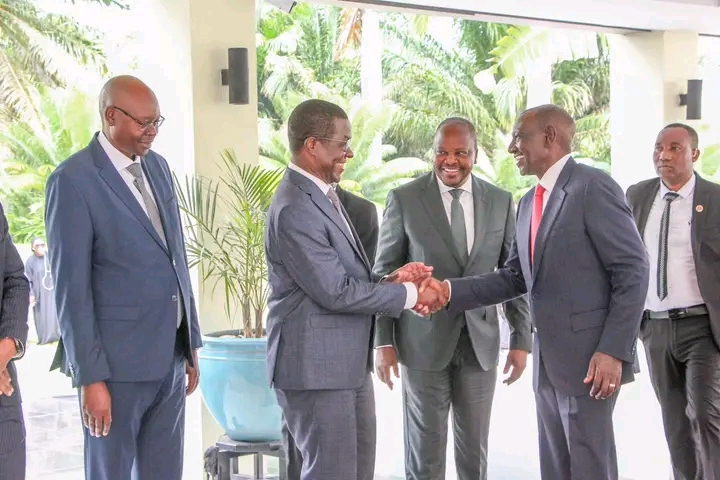
Cabinet Secretary Opiyo Wandayi had the honour of accompanying His Excellency President William Ruto to Dar es Salaam, United Republic of Tanzania, where he was warmly received by Her Excellency President Samia Suluhu Hassan. This state visit marks a significant moment in the ongoing relationship between Kenya and Tanzania, two nations that share deep historical bonds and a commitment to mutual progress. The presence of Wandayi, as Cabinet Secretary for Energy and Petroleum, underscores the strategic importance of this trip, particularly in sectors like energy infrastructure and transport that are vital for cross-border trade. By standing alongside President Ruto, Wandayi represents Kenya’s push to integrate its energy policies with regional initiatives, fostering a partnership that extends beyond rhetoric into tangible agreements. The warm reception in Dar es Salaam signals Tanzania’s readiness to deepen these ties, setting the stage for collaborative efforts that benefit both countries and the wider East African Community.
The signing of key Memoranda of Understanding in railway development, management, and agriculture during the visit highlights a focused approach to shared challenges. Railway development stands out as a cornerstone of this partnership, as improved rail links between Kenya and Tanzania can streamline the movement of goods and people across borders. Wandayi’s involvement emphasizes how energy considerations tie into this, since efficient railways require reliable petroleum supply chains and power infrastructure to operate effectively. Tanzania and Kenya have long recognized the potential of their rail networks to connect ports like Mombasa and Dar es Salaam, creating a seamless corridor for regional commerce. This MoU on railway management further commits both nations to joint oversight and maintenance, ensuring that these vital arteries of trade function without interruption. President Ruto and President Hassan demonstrated leadership by prioritizing such practical steps, which directly address bottlenecks in cross border logistics that have hindered economic exchanges for years.
Agriculture emerges as another critical theme in the agreements, directly linked to food security and trade enhancement. The MoU in this area commits Kenya and Tanzania to cooperate on crop management, seed sharing, and market access, which strengthens their agricultural sectors amid shared vulnerabilities like climate variability. Wandayi’s role in energy complements this, as agricultural productivity depends on affordable petroleum for machinery, irrigation pumps, and transport to markets. By signing these pacts, the leaders affirm that food security is a regional priority, not just a national one, paving the way for joint ventures in processing and distribution. This collaboration builds on the natural complementarity of Kenya’s highland farming and Tanzania’s vast arable lands, promoting trade that stabilizes prices and supplies for both populations. The state visit thus transforms bilateral talks into actionable plans that sustain livelihoods and reduce dependency on external imports.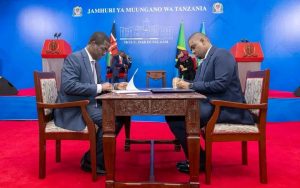
Regional integration forms the overarching subject of this diplomacy, with the visit reinforcing the East African Community’s foundational goals. Kenya and Tanzania, as core members, have a responsibility to lead by example, and this trip exemplifies how high level engagements can accelerate unity. The railway and agriculture MoUs serve as building blocks for a more interconnected region, where energy from Kenya’s petroleum reserves supports Tanzania’s infrastructure projects, and vice versa. Wandayi’s accompaniment of President Ruto highlights the Kenyan government’s holistic view, blending energy policy with transport and farming to create synergies. President Hassan’s warm reception reflects Tanzania’s alignment with this vision, signaling that both nations see integration as essential for competitiveness in global markets. Such steps move beyond periodic summits, embedding cooperation into everyday governance and policy making.
This partnership also addresses broader economic themes, particularly how energy and petroleum influence regional growth. Wandayi’s expertise in this sector ensures that Kenya brings a forward thinking approach to the table, advocating for shared petroleum resources that power railway expansions and agricultural mechanization. The MoUs implicitly link these areas, as reliable energy underpins the success of rail management and farm output. By witnessing these signings, Presidents Ruto and Hassan commit to policies that prioritize joint investment in fuel distribution networks and power grids, which in turn bolster trade volumes. This interconnected strategy positions Kenya and Tanzania as anchors for East African prosperity, encouraging other members to follow suit in harmonizing their infrastructure plans.
 ADVERT
The state visit’s success lies in its emphasis on implementation over promises, a theme that resonates with citizens in both countries who seek real improvements in daily life. Railway enhancements promise faster goods delivery, reducing costs for businesses reliant on cross border supply chains. Agricultural cooperation ensures steadier food supplies, supporting urban centers in Nairobi and Dar es Salaam. Wandayi’s participation guarantees that energy considerations remain central, preventing shortages that could derail these initiatives. President Ruto’s choice to include him underscores a coordinated government effort, where ministries align under a unified regional agenda. President Hassan’s engagement further solidifies this, fostering trust that sustains long term projects.
Looking ahead, this diplomacy sets a precedent for future collaborations, intertwining energy, transport, and agriculture into a cohesive framework for integration. Kenya and Tanzania must now translate these MoUs into on the ground actions, with Wandayi leading energy inputs that make railways viable and farms productive. The leaders’ commitment during the visit demonstrates political will, essential for navigating any hurdles in execution. Regional integration thrives on such moments, where personal rapport between presidents translates into national benefits. This partnership not only enhances bilateral ties but also strengthens East Africa’s collective stance in international forums.
In conclusion, Cabinet Secretary Opiyo Wandayi’s role in this historic visit amplifies its impact, weaving energy policy into the fabric of railway and agricultural progress. The agreements signed in Dar es Salaam offer a blueprint for sustained cooperation, prioritizing themes of trade, security, and unity. Presidents Ruto and Hassan have laid a strong foundation, and with diligent follow through, Kenya Tanzania relations will drive meaningful regional advancement.
James Bwire Kilonzo is a Media and Communication Practitioner.



