 ADVERT
 ADVERT
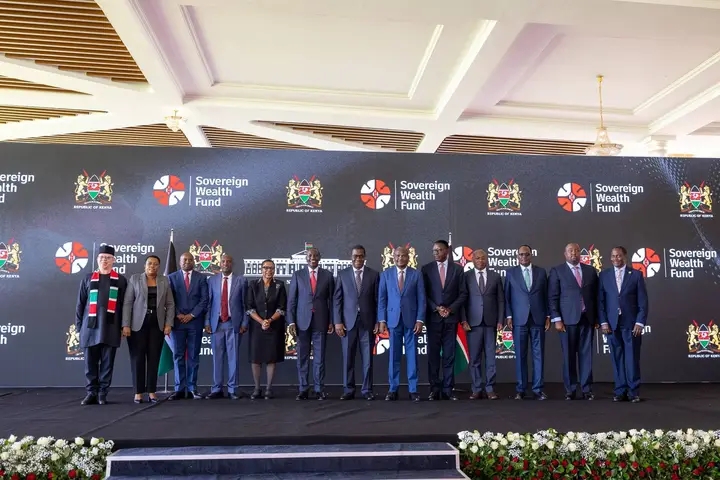
Kenya has taken a decisive step toward securing its economic future following President William Ruto’s assent to the Sovereign Wealth Fund Bill—landmark legislation poised to redefine how the country manages and grows its national wealth.
At the historic signing ceremony, Energy and Petroleum Cabinet Secretary Opiyo Wandayi joined the President and senior state officials, underscoring the significance of the moment. The new law is more than a fiscal instrument—it is a bold declaration that Kenya is ready to shift from short-term economic fixes to long-term national prosperity.
The Sovereign Wealth Fund introduces a structured, forward-looking framework for managing revenues derived from strategic national assets, including energy and natural resources. By institutionalizing savings and investment mechanisms, the government is signaling a commitment to transform finite resources into enduring economic value for current and future generations.
This legislation marks a critical pivot in economic policy. Rather than focusing solely on immediate budgetary pressures, Kenya is now embracing a model that prioritizes wealth preservation, sustainable returns, and intergenerational equity. It reflects a growing recognition that true prosperity lies not just in resource extraction, but in disciplined, transparent, and strategic management of those resources.
At its core, the success of the Sovereign Wealth Fund will depend on governance. Robust institutional frameworks, strict adherence to transparency, and uncompromising accountability will be essential in building public trust. Clear reporting mechanisms and strong oversight structures must ensure that the fund operates free from political interference and remains aligned with its long-term mandate.
 ADVERT
Equally critical is operational independence. The fund’s credibility will hinge on its ability to make investment decisions based on sound financial principles, insulated from short-term political interests. Professional management, backed by strong legal safeguards, will be key to delivering consistent and sustainable returns.
Beyond governance, the fund strengthens Kenya’s fiscal resilience. By creating a financial buffer, the country will be better positioned to weather global economic shocks while sustaining critical development programmes. It encourages prudent financial planning and reinforces the foundation for a stable and resilient economy.
Strategically, the linkage between the fund and key sectors such as energy amplifies its transformative potential. With proper stewardship, revenues from these sectors can drive industrial growth, expand economic opportunities, and enhance national productivity. The fund ensures that such wealth is not merely consumed, but reinvested for broader societal benefit.
Importantly, the Sovereign Wealth Fund embeds the principle of intergenerational justice. It recognizes that national resources are a shared inheritance, and their benefits must extend beyond the present. By prioritizing savings and long-term investment, Kenya is laying the groundwork for future citizens to inherit not just resources, but opportunity and stability.
Transparency will remain a cornerstone of the fund’s success. Kenyans have a legitimate right to know how public wealth is managed. Regular disclosures, open communication, and active public oversight will be essential in maintaining confidence and reinforcing democratic accountability.
The fund must also align seamlessly with Kenya’s broader fiscal and economic planning. Effective coordination with national budgeting processes will ensure that it complements—not complicates—economic management. This alignment will strengthen fiscal discipline and support coherent, long-term development strategies.
Building strong institutional capacity will further determine the fund’s effectiveness. Investment in local expertise across finance, governance, and risk management will reduce reliance on external actors while strengthening Kenya’s financial ecosystem. A capable, well-trained workforce will be vital in safeguarding and growing national wealth.
Incorporating environmental, social, and governance (ESG) principles will also be crucial. Sustainable investment decisions will ensure that economic growth does not come at the expense of environmental integrity or social equity. Instead, the fund can become a driver of inclusive and responsible development.
Ultimately, the assent to the Sovereign Wealth Fund Bill represents a defining moment in Kenya’s economic journey. It lays a durable institutional foundation for prudent resource management, fiscal sustainability, and long-term national growth.
If implemented with integrity, discipline, and transparency, the Sovereign Wealth Fund could become one of Kenya’s most powerful tools for securing shared prosperity—transforming today’s resources into tomorrow’s wealth, and ensuring that the promise of economic progress is not fleeting, but firmly anchored in the nation’s future.
James Kilonzo Bwire is a Media and Communication Practitioner


