 ADVERT
 ADVERT
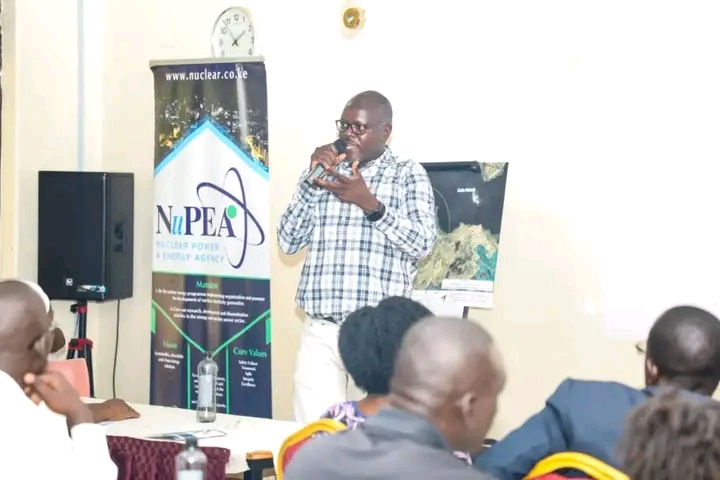
Stakeholder consultation is not a one time event but a continuing civic duty, especially when a major national project is being considered for a local community. The engagement between Siaya County Government officials and teachers from Nang’o Zone reflects a necessary step in building public understanding around the proposed nuclear power project. It shows that the project cannot move forward on technical planning alone, because the people affected by it must also be informed, heard and respected. This is especially important where concerns, expectations and public interest intersect around a project of such national significance. NuPEA and KenGen have stated that they are working in collaboration with relevant institutions to ensure that statutory requirements, regulatory processes and applicable standards are met before implementation and throughout the project lifecycle.
What makes this engagement meaningful is that it recognizes the role of dialogue in public decision making. A project of this kind should not be introduced to communities as a finished idea waiting for acceptance, but as a process that still requires explanation, scrutiny and shared understanding. Teachers, as educators and community influencers, occupy an important place in such a conversation because they help shape how information is received and interpreted within the wider society. When county officials and teachers sit together to discuss the proposed project, the conversation moves beyond official language and enters the space of public trust. That trust is essential if residents are to feel that their views matter and that the process is being handled with honesty and care.
The proposed nuclear power project in Siaya should therefore be understood not only as an energy issue but also as a governance issue. Any project of this scale demands openness, patience and consistency in communication. It must be explained in a way that ordinary people can understand, and it must be accompanied by opportunities for questions, concerns and informed debate. Public participation loses value when it is treated as a formality, but it becomes meaningful when it shapes the direction of the project and influences how decisions are made. That is why continuous consultation is important because it allows the community to follow the process, raise issues early and see whether responses are being taken seriously.
For Siaya, the conversation around nuclear power also speaks to the broader question of development and inclusion. Communities are more likely to support a project when they believe it has been introduced through respect, transparency and genuine engagement. This means listening to local voices, explaining technical matters clearly and avoiding any impression that decisions have already been made elsewhere. It also means recognizing that different groups in society will ask different questions, and each of those questions deserves a clear answer. Teachers, county officials, youth, religious leaders and other community stakeholders all have a role to play in ensuring that the discussion remains grounded in facts and public interest.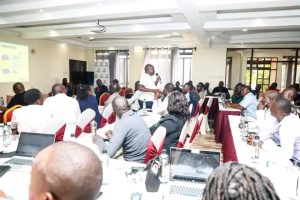
At the same time, the institutions leading the process must continue to show that they are not operating in isolation. Collaboration with national and international institutions is important because it demonstrates that the project is being approached within proper legal, technical and regulatory frameworks. That reassurance matters in a field such as nuclear energy, where public confidence depends heavily on discipline, oversight and adherence to standards. The public needs to know that consultation is not being used to persuade communities without substance, but to create space for real engagement before implementation begins. When that approach is sustained, it strengthens not only the project itself but also the democratic value of participation in public affairs.
 ADVERT
The current engagement in Siaya should therefore be seen as part of a longer process of building understanding rather than a single event. It is a reminder that development works best when communities are treated as partners, not spectators. If the proposed nuclear project is to earn legitimacy, then communication must remain clear, consultation must remain continuous and public concerns must remain central. In that sense, the most important outcome of today’s engagement is not simply that people were informed, but that a foundation was laid for a more open and accountable process. That is how trust is built, and trust is what will determine how far this conversation can go.
James’ Kilonzo Bwire is a Media and Communication Practitioner


