 ADVERT
 ADVERT
Kenya has intensified its Ebola preparedness and containment measures after a reported fatal case in Nairobi involving a patient from the Democratic Republic of Congo (DRC), with the number of people placed under quarantine rising to 66 as authorities move to prevent further transmission.
The reported death has heightened public health concerns, placing Kenya’s disease surveillance systems, emergency response capacity and cross-border health controls under renewed scrutiny.
The government is now facing the urgent task of identifying and monitoring people who may have been exposed to the virus while strengthening public communication to prevent panic and misinformation.
The increase in quarantine numbers underscores the importance of contact tracing, rapid identification of suspected cases and strict adherence to public health protocols. However, being placed under quarantine does not automatically mean that an individual is infected with Ebola. The measure is intended to monitor potentially exposed persons and reduce the risk of further transmission should an infection emerge.
The reported case also highlights the public health implications of regional mobility, particularly between Kenya and the DRC, where population movements and cross-border connections make coordinated disease surveillance essential.
 ADVERT
China Steps In With KSh259 Million Grant
In a significant development, Kenya has received a grant of KSh259 million from China to support efforts to curb the virus.
The financial assistance comes at a critical moment as health authorities seek to reinforce emergency preparedness, improve surveillance and strengthen the country’s capacity to respond to a potentially dangerous infectious disease threat.
The grant provides an opportunity to bolster public health interventions, although its ultimate impact will depend on how effectively the resources are deployed and whether they reach the areas and systems most in need of support.
The assistance also highlights the importance of international cooperation in responding to outbreaks that can transcend national borders. Ebola preparedness requires not only domestic vigilance but also collaboration among governments, public health institutions and international partners.
Meanwhile, discussions on additional emergency support are expected to be important in determining whether Kenya has the financial, logistical and technical capacity to sustain its response if the situation escalates.
Contact Tracing Takes Centre Stage
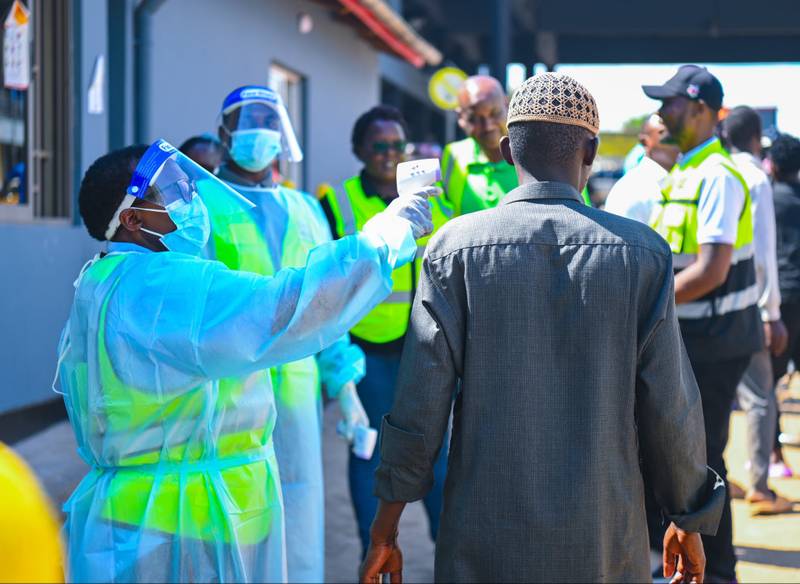
With 66 people reportedly under quarantine, contact tracing remains central to Kenya’s containment strategy.
Health authorities must establish the movement history of the confirmed patient, identify individuals who may have had significant exposure and ensure that anyone developing compatible symptoms receives prompt medical assessment.
The effectiveness of this process will depend on the speed and accuracy of investigations, the availability of trained healthcare personnel and the cooperation of those identified as potential contacts.
Equally important is the protection of healthcare workers, who may face heightened exposure risks when assessing or treating suspected cases. Appropriate infection prevention and control measures are essential to prevent health facilities from becoming centres of transmission.
The government must also communicate clearly about the distinction between confirmed infections, suspected cases and people being monitored because of possible exposure. Confusing these categories could fuel unnecessary fear and undermine public confidence.
Public Vigilance Without Panic
Ebola is a serious viral disease that can cause severe illness and death. Transmission generally occurs through direct contact with the blood or other bodily fluids of an infected person who is symptomatic, or through contaminated materials. It is not spread through the air in the same way as influenza or measles.
Members of the public should follow guidance issued by the Ministry of Health, avoid contact with the bodily fluids of anyone suspected of having the disease and seek immediate medical advice if they develop compatible symptoms after a potential exposure.
Anyone who believes they may have been exposed should contact health authorities rather than attempting to manage a suspected infection without professional assistance.
Public vigilance must, however, be accompanied by responsible reporting. Unverified claims about infections, deaths or the identities of affected individuals can create unnecessary alarm, stigmatise communities and complicate emergency response efforts.
A Test of Kenya’s Public Health Preparedness
The reported Nairobi death and the rise in quarantine numbers place Kenya’s disease surveillance and emergency response systems under renewed pressure.
The immediate priorities are clear: establish the extent of potential exposure, monitor identified contacts, protect frontline health workers and ensure that adequate resources are available to respond to any additional cases.
The KSh259 million Chinese grant offers potentially important support, but the success of the response will ultimately be measured by the effectiveness of containment measures, the transparency of official communication and the country’s ability to prevent further transmission.
For now, the number of people under quarantine is an indication of the scale of monitoring being undertaken, not proof that the virus has spread to all those individuals.
As Kenya confronts the reported Ebola threat, speed, scientific accuracy and public trust will be critical to containing the danger before it develops into a wider public health emergency.


