 ADVERT
 ADVERT
The Siaya County Government has intensified community-level Ebola preparedness, equipping frontline health personnel with risk communication and disease surveillance skills as Kenya grapples with a growing number of confirmed infections linked to the deadly Bundibugyo Ebola virus outbreak.
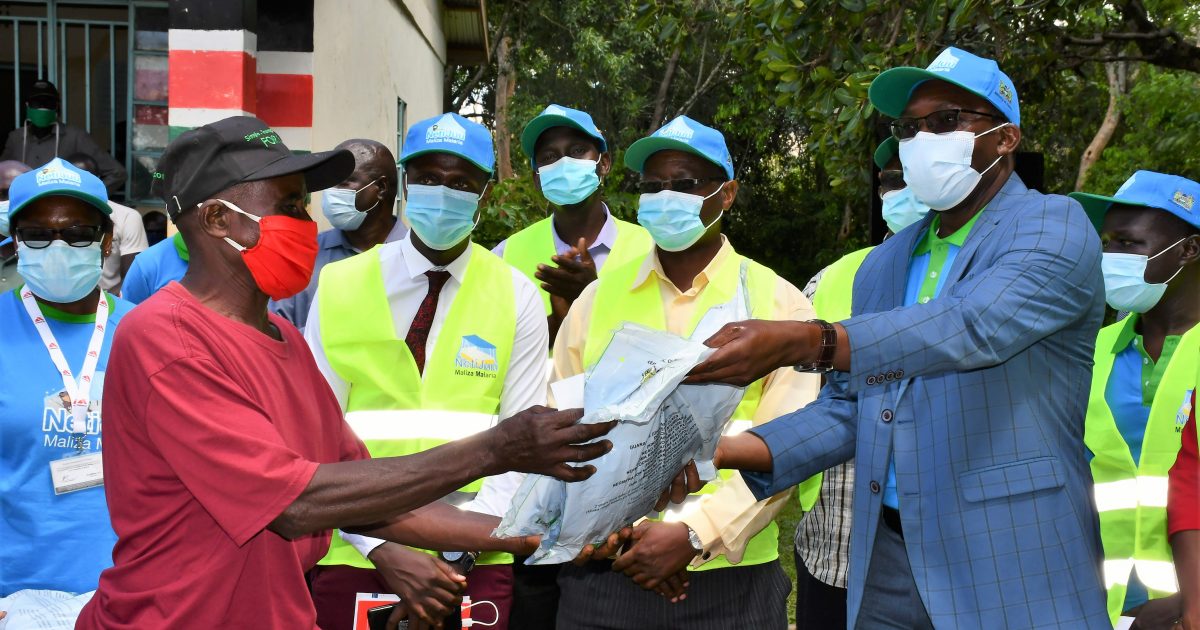
In a two-day Risk Communication and Community Engagement (RCCE) training held on October 15 and 16, 2026, the county brought together Community Health Promoters (CHPs), Community Health Assistants (CHAs) and Public Health Officers from Gem, Alego, Ugunja and Ugenya sub-counties.
The exercise was conducted by the Siaya County Department of Health and Sanitation in partnership with Amref Health Africa through the Imarisha Jamii Project, with the objective of strengthening early detection, prompt reporting and accurate public communication during potential public health emergencies.
The county government’s October 16 announcement, published under the headline “Siaya Equips Community Health Teams to Counter Ebola Threat,” underscores the growing importance of grassroots surveillance in preventing infectious diseases from spreading undetected.
The training came as Kenya’s Ebola situation became more serious. By October 17, the country had confirmed seven cases, including three healthcare workers who had treated the initial patient and a male relative of the deceased index patient. The initial patient, a Kenyan man who had been living in the Democratic Republic of Congo, died after developing the disease. The Ministry of Health has been coordinating isolation, contact tracing and surveillance measures.
 ADVERT
However, the confirmed infections have not established an Ebola outbreak in Siaya County, and the preparedness exercise should not be interpreted as evidence that the disease has been detected locally.
Four Sub-Counties Targeted in Preparedness Drive
The October 15–16 training targeted community health personnel serving Gem, Alego, Ugunja and Ugenya, equipping them with practical approaches to identifying and reporting unusual illnesses, promoting hand hygiene and addressing rumours and misinformation surrounding Ebola.
Participants were encouraged to strengthen household health education, conduct community sensitisation, engage local leaders and maintain close links with health facilities so that suspected cases can be referred through established public health channels.
The county’s strategy recognises that community health promoters are often the first link between households and the formal healthcare system. Their ability to identify potential warning signs, report unusual illness patterns and communicate accurate information can help health authorities investigate possible threats before they escalate.
The sessions also addressed the need to reduce fear and stigma, which can discourage people from reporting symptoms, disclosing exposure histories or seeking medical attention.
Siaya Had Begun Ebola Preparedness Training Earlier
The latest intervention builds on an earlier Ebola preparedness exercise conducted in September.
According to a September 10, 2026, report published by the Siaya County Government, health workers from Gem and Alego Usonga sub-counties had already undergone training on Ebola Virus Disease identification, surveillance, notification and response.
That earlier programme covered infection prevention and control, proper use of personal protective equipment, hand hygiene, environmental cleaning, contact tracing, safe specimen collection and referral procedures.
It also addressed the management of suspected cases, safe and dignified burials, the need for isolation spaces at health facilities and psychological first aid for people experiencing distress during public health emergencies.
The September training and the October community engagement exercise demonstrate a broader preparedness effort involving both facility-based healthcare workers and personnel operating at household level.
By combining clinical preparedness with community awareness, the county is seeking to strengthen the chain linking early warning, professional assessment and coordinated response.
Health Leadership and Partners Under Spotlight
The county’s Department of Health and Sanitation is responsible for coordinating the preparedness initiative in partnership with Amref Health Africa under the Imarisha Jamii Project.
The department’s published leadership directory identifies Dr A. Anyango as Chief Officer for Health, J. Ogolla as Chief Public Health Officer and R. Achola as Head of Community Health. Their official roles place the department’s health administration and community health structures at the centre of county-level service delivery.
The county government’s published account of the October training does not identify individual facilitators or provide a complete list of participants. It would therefore be premature to attribute specific statements or actions to individual officials without further confirmation.
The partnership with Amref Health Africa is significant because outbreak preparedness requires more than public announcements. It depends on trained personnel, effective communication systems, reliable reporting, appropriate protective equipment and coordination between community units, health facilities and national authorities.
National Ebola Situation Raises the Stakes
Kenya’s preparedness efforts have taken on greater urgency following confirmation of imported Bundibugyo Ebola Virus Disease linked to the outbreak in the Democratic Republic of Congo.
In a statement dated October 6, 2026, the Ministry of Health confirmed the first imported case in a Kenyan citizen who had been living in the DRC. The patient travelled by road to Kampala before boarding Jambo Jet flight 8523 to Nairobi, arriving at Jomo Kenyatta International Airport on October 3 at 1:10 p.m.
After assessment at Nairobi Hospital, laboratory testing confirmed Bundibugyo Ebola Virus Disease. The patient subsequently died.
On October 7, Health Cabinet Secretary Aden Duale visited Nairobi Hospital’s Ebola isolation unit and reassured the public that the government was strengthening surveillance, isolation and contact tracing.
By October 17, the Ministry had confirmed six additional cases, bringing the national total to seven. The subsequent cases included healthcare workers who had attended to the initial patient, underscoring the importance of strict infection prevention and control procedures.
National authorities have also urged the public to remain vigilant, seek professional medical advice when necessary and rely on verified information rather than speculation.
The Ministry of Health has designated the toll-free health information line 719 for public guidance.
Why Community Surveillance Matters
Ebola is a severe viral disease transmitted through direct contact with the blood or other bodily fluids of an infected person who is symptomatic, or with contaminated materials. It is not spread through ordinary casual contact in the same way as airborne respiratory infections.
Symptoms may include fever, fatigue, headache, muscle pain and, in some cases, gastrointestinal symptoms or unexplained bleeding. Because these signs can resemble other illnesses, suspected cases require professional assessment, taking into account symptoms and possible exposure.
Community health promoters are not expected to diagnose Ebola. Their role is to educate residents, recognise concerns that warrant attention, report unusual illnesses and refer people through established healthcare channels.
For Siaya, the effectiveness of the preparedness initiative will ultimately depend on whether frontline personnel have the necessary skills, supplies, supervision and reliable communication channels to translate training into action.
Preparedness Must Be Sustained
While the county’s training initiative is a welcome step, effective preparedness requires continuous investment beyond short training sessions.
The county will need to maintain functional disease surveillance systems, ensure health facilities understand referral and isolation procedures, provide appropriate protective equipment and strengthen coordination between community health units and public health authorities.
Equally important is transparent public communication. Residents should receive timely updates on verified developments without being subjected to unnecessary alarm or misleading claims about infections in their communities.
The October initiative also offers an opportunity to strengthen routine public health services, since the same community surveillance networks can help identify other infectious disease threats and improve access to preventive healthcare.
For Siaya County, the priority is clear: turn preparedness into practical readiness through trained personnel, reliable reporting and sustained community engagement.
As Kenya confronts confirmed Ebola infections, the county’s investment in community health teams provides an important layer of defence. Whether that preparedness translates into effective protection will depend on consistent implementation, adequate resources and close cooperation between residents, frontline workers and health authorities.
For now, the message to Siaya residents is vigilance without panic: trust verified public health information, observe recommended hygiene measures and promptly seek professional guidance if concerned about a possible exposure.