 ADVERT

 ADVERT
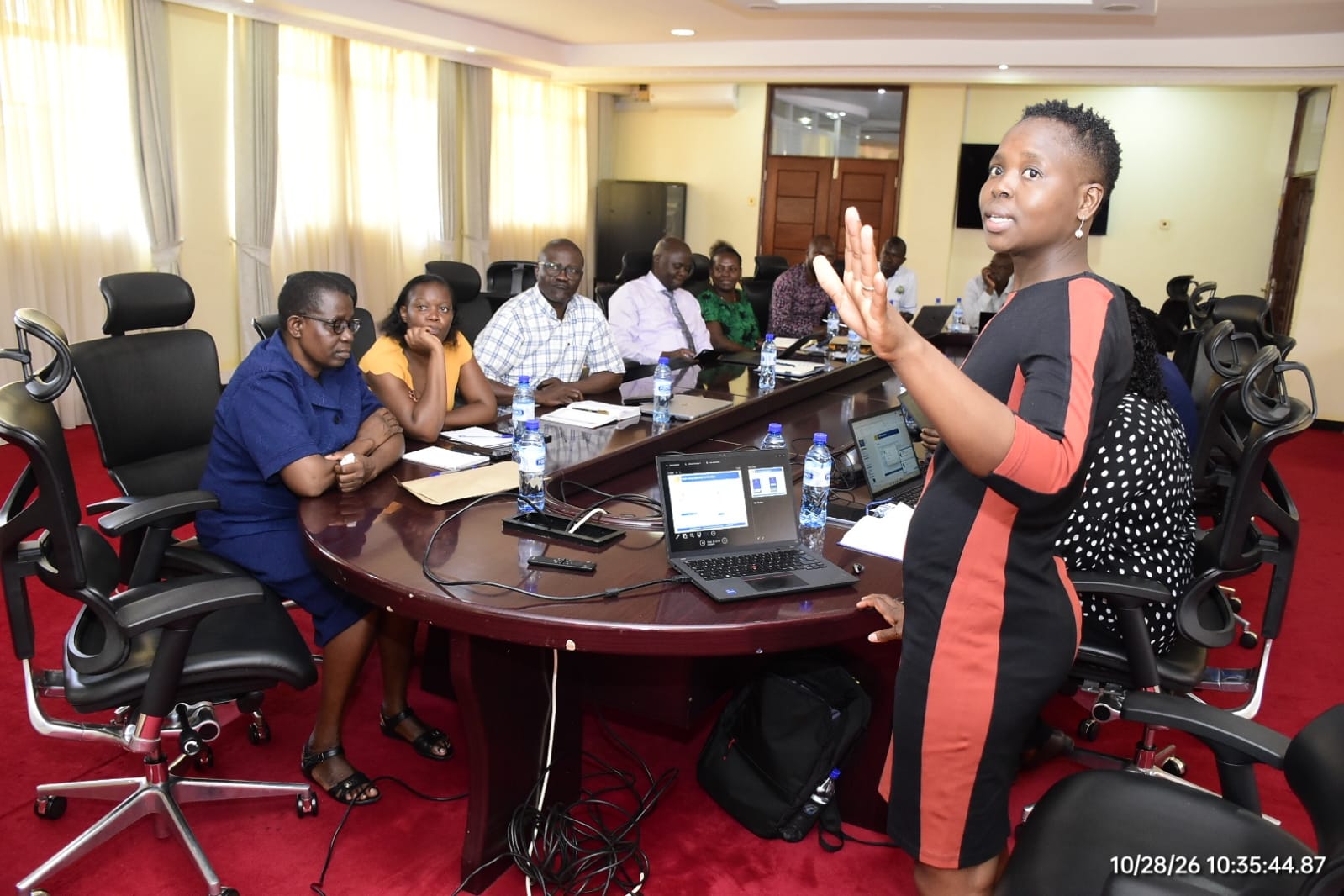
The County Government of Siaya is moving towards full compliance with the Central Bank of Kenya’s (CBK) Online Banking (OLB) platform for processing government payments, following a capacity-building exercise involving county executives, finance officials and CBK technical experts on Wednesday, October 28.
The training is expected to strengthen the county’s adoption of the digital platform for managing financial transactions, including recurrent and development expenditure, account balances, bill payments and fund transfers.
Introduced by the National Treasury on August 25, 2025, the OLB platform is designed to modernise public-sector financial management by enabling authorised users to conduct banking operations through an internet browser linked to the Central Bank of Kenya.
The latest training focused on addressing operational difficulties reported by county governments, improving system navigation and troubleshooting, and ensuring that financial transactions are processed in accordance with prescribed security and verification requirements.
The CBK technical team acknowledged that some county governments had encountered challenges in using the platform, saying the engagement was intended to identify practical solutions and improve users’ proficiency.
 ADVERT
The thematic areas covered included client onboarding, account management, online banking procedures, training methodologies, user verification and the handling of system-related challenges.
Security, accountability at the centre of digital payments
A key component of the training was the verification of account users and signatories, with emphasis on ensuring that only duly authorised officers can access and operate county government accounts.
The CBK team sought clarification on the officials responsible for opening Siaya County’s accounts, conducting verification, accessing the platform and managing transactions. The discussions also examined whether the officers involved were accountants, Integrated Financial Management Information System (IFMIS) personnel or other officials formally authorised to use the system.
Under the procedures explained during the training, designated accounts, including County Revenue Fund (CRF) accounts, require two authorised signatories, one of whom must be a chief officer, in line with the applicable account mandates.
The platform incorporates security and verification controls, including QR-code-based processes for registering and validating signatures. These safeguards are intended to reinforce transaction integrity and reduce the risk of unauthorised access.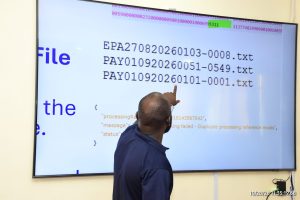
The system also allows changes to account-user permissions, supports multiple users with different access rights and provides transaction visibility for monitoring and accountability.
Dashboard gives officials real-time account visibility
The OLB platform features a dashboard through which authorised officers can view account details, balances and pending transactions.
Its account-management module supports account opening, product selection, document submission and amendments where necessary. Officials were reminded to select the correct account category and banking product and to upload supporting tax documentation in PDF format.
The training also highlighted the importance of ensuring that account-opening requests and supporting letters are properly authorised by the relevant signatories.
Where errors or security concerns arise, the system has safeguards that may restrict or block access to an account, requiring the appropriate procedures to restore access.
Siaya’s financial management structure includes county revenue accounts, municipal accounts and other accounts serving different funding and expenditure purposes. The training covered the management of these accounts within the online banking environment.
Officials were also taken through procedures for processing and consolidating funds before transferring them to authorised accounts for use, with the objective of improving the timeliness of financial operations.
The system’s flexibility is expected to help the county manage its various accounts more efficiently while providing a clearer audit trail of transactions.
Compliance gaps and operational challenges
Despite the anticipated benefits, the training identified several challenges that could affect the smooth implementation of the platform.
These include knowledge gaps among users, delays in processing County Revenue Fund transactions, difficulties encountered during account opening and incomplete or improperly authorised supporting documentation.
The CBK team emphasised the importance of official county government email requests, proper verification and the submission of complete supporting documents to facilitate account-related services.
The training also addressed compliance with Kenya Revenue Authority (KRA) agency notices. County governments that fail to comply with applicable statutory requirements may face surcharges against recurrent expenditure, as provided for under the relevant legal framework.
Participants were encouraged to strengthen internal coordination among finance officers, accountants, IFMIS personnel and authorised signatories to minimise delays and prevent avoidable errors.
The platform is intended for use by authorised personnel, with access and verification procedures forming an integral part of its security framework. Participants were also advised on accessing the service through approved mobile applications and connectivity arrangements, subject to the applicable technical requirements.
Treasury officials explore investment opportunities
Beyond payments management, the CBK team introduced county officials to money-market and investment services available through the Central Bank.
The session examined opportunities for eligible county government officers to understand and access government securities, including Treasury bills and Treasury bonds, subject to the applicable investment rules and authorisation requirements.
The discussion broadened the training beyond routine banking operations, highlighting the importance of prudent financial management, investment knowledge and compliance in the administration of public resources.
Senior Siaya officials attend training
The County Government of Siaya delegation was led by Acting County Secretary Elizabeth Adongo.
Other participants included Walter Okelo, Chief Officer for Governance and Administration; Jared Abayo, Chief Officer for Water; Michael Oliech; Dr Omondi Owino, Chief Officer for Health; and Christine Okoth, Director of Finance, who also serves as Acting Chief Officer for Finance.
Director of Monitoring and Evaluation Peter Ligulu also attended, alongside representatives from the municipalities of Siaya, Bondo and Ugunja, as well as IFMIS officers from the County Treasury.
The CBK technical team was led by Veronica Chika and included Eunice Sapuko, Maureen Mwambui, Geffine Muhandachi and Collins Aligula.
Their engagement with the county officials was aimed at strengthening operational capacity, resolving system challenges and reinforcing compliance with the requirements governing public-sector banking.
Digital transition puts focus on implementation
Siaya’s move towards full use of the OLB platform marks an important administrative step in the county’s efforts to align its payment processes with the National Treasury’s digital financial management framework.
However, the success of the transition will depend not only on training but also on consistent application of security controls, timely account processing, proper documentation and coordination among the officers responsible for authorising and executing transactions.
For residents, businesses and development partners, effective implementation could contribute to more orderly payment processes and stronger financial oversight. The practical test will be whether the county can translate the training into reliable day-to-day operations while maintaining transparency and accountability in the use of public funds.
As Siaya strengthens its adoption of the CBK platform, sustained technical support and continuous capacity-building will be critical to ensuring that digital payments become an effective instrument of financial discipline rather than merely a procedural requirement.