 ADVERT

 ADVERT
Political temperatures in Kenya are once again on the rise after Embakasi East MP Babu Owino hosted a high-profile church service on Sunday at Jesus Teaching Ministry, drawing together a curious mix of ODM lawmakers and allies.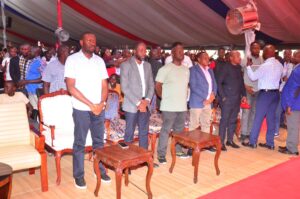
The gathering featured notable figures such as Nairobi Senator Edwin Sifuna, Saboti MP Caleb Amisi, Kitutu Chache South MP Anthony Kibagendi, Bomachoge Borabu MP Obadiah Barongo, Githunguri MP Gathoni Wamuchomba, and Kaiti MP Joshua Kimilu. While billed as a worship event, the optics and political undertones have sparked speculation about an emerging power bloc that could reshape Kenya’s political landscape ahead of 2027.
Signals of a Possible Alliance
What has set tongues wagging is what happened after the church service. According to sources, the leaders convened in an informal meeting—fueling theories that the event was more than a spiritual gathering. Analysts say the private talks could be an early pointer to the birth of a new, younger, and more robust political front designed to challenge the old guard.
ODM’s Secretary-General Edwin Sifuna, who attended the event, has in recent weeks adopted an increasingly combative tone toward his party. He has publicly opposed the proposed broad-based government arrangement and even hinted that he could exit ODM if Raila Odinga were to back President William Ruto’s 2027 bid. Saboti MP Caleb Amisi has expressed similar sentiments, signaling growing friction within ODM ranks.
 ADVERT
Adding to the intrigue, Babu Owino—long a thorn in ODM’s side for refusing to play by the script—has consolidated a massive youth following. His messaging on economic empowerment, education access, and anti-dynasty rhetoric resonates deeply with Kenya’s under-35 demographic, making him a possible face of generational change.
ODM’s Internal Headache
Insiders within ODM concede that Babu and Sifuna’s defiance has rattled the party hierarchy. Despite quiet pressure from Raila loyalists for the two to “toe the line,” both have stood their ground. The risk for ODM is clear: if its charismatic young voices splinter off, the party could lose its grip on urban and youthful voters—a constituency that has historically been its strongest pillar.
Can They Pull It Off?
Skeptics, however, dismiss the so-called movement as noise without numbers. They argue that, beyond social media clout, most MPs in the group lack the deep-rooted grassroots networks needed to mount a serious national challenge.
Yet, other observers warn against underestimating their potential. If the Babu-Sifuna-Amisi axis were to join forces with established figures like Ndindi Nyoro, the result could be a formidable, youth-driven third force capable of disrupting Kenya’s traditional two-horse race.
The Bigger Picture
Kenya’s political history is littered with ambitious realignments that fizzled out. But this time, the generational factor is a wild card. With 78% of Kenya’s population under 35, a platform promising fresh leadership and economic reforms could gain traction fast—especially if anchored on digital mobilization and frustration with status-quo politics.
For now, Sunday’s event has left more questions than answers:
Is this the start of a structured alliance, or just political theatre?
Can these young leaders bridge egos and ambitions to build a viable outfit?
And most crucially, will Raila Odinga’s ODM withstand the generational insurgency brewing in its own backyard?
One thing is certain: Kenya’s 2027 race just got a lot more unpredictable.



