 ADVERT

 ADVERT
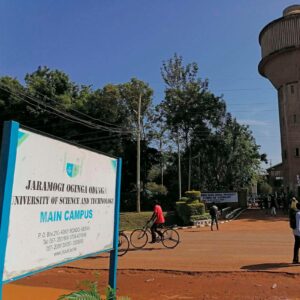
Students, parents and local leaders in Siaya County were thrown into alarm in the run-up to the current semester after word spread that the Siaya satellite campus of Jaramogi Oginga Odinga University of Science and Technology (JOOUST) might be shut and programmes moved to the Bondo main campus. The story — amplified on community groups and among students — said that some courses and first-year intakes had already been redirected to Bondo, stoking concern about the future of higher education access in the county.
What sparked the alarm
The initial rumours appear to have been driven by local WhatsApp and Facebook groups where students posted that they had been told to report to JOOUST’s main campus in Bondo rather than to the Siaya teaching centre for the start of term. Such informal reports — though not official notifications from the university — spread quickly among the student body and parents, creating a sense of confusion and urgency. One public post in a local student group explicitly advised some intake groups to report to the main campus, and that message circulated widely.
The Siaya campus has had a visible presence in the county for several years as part of JOOUST’s strategy to expand access through satellite and teaching centres. The university has also previously announced plans to open satellite campuses across Siaya County as it grew its footprint, making any threat to an existing local centre particularly sensitive for residents.
County government moves to calm nerves
 ADVERT
As fears spread, Siaya County’s CECM for Education, Dr Edgar Otumba, has sought to allay them. Dr Otumba told this journalist that the rumour of an imminent closure was unfounded, and stressed that there was “nothing to worry about.” He explained that the county and the university were in the process of “renegotiating terms of occupancy” for the facilities in Siaya town, and that talk of a relocation to Nango (a nearby trading centre mentioned in some online chatter) had no basis in fact. “Nothing to worry about. We are only renegotiating terms of occupancy and rumours of relocation to Nango are unfounded,” he said.
Dr Otumba’s intervention is significant because issues of land, occupancy agreements and facility management between county governments and national institutions have occasionally led to friction in other parts of the country. By framing the situation as a negotiations issue rather than an administrative decision to close, the County Executive signalled that the county intends to keep the campus operating while the technical and legal arrangements are settled.
Why the rumours took hold
There are several plausible reasons why the closure story gained traction so quickly:
• Past tensions and disruptions. JOOUST — like other Kenyan universities — has experienced student protests and periodic disruptions in the past, sometimes prompting shifts in campus operations or temporary closures. These precedents make communities ready to believe worst-case scenarios.
• Ongoing campus development and reshuffling. JOOUST has been actively developing satellite sites and shifting programmes to respond to growth and funding realities; talk of campus reorganisation is therefore not unheard of, and can be misreported in the absence of clear official communication.
• Informal information channels. The initial message that some students should report to Bondo travelled on informal student networks and social media rather than through the university’s official channels, leaving space for speculation.
What’s at stake
If a satellite campus were closed or downsized it would have immediate consequences: students already resident in Siaya would face greater travel and accommodation costs; some programmes tailored to local needs (including vocational and community courses) could be disrupted; and the local economy around the campus — small businesses, transport operators and landlords — could suffer. For many residents the presence of a local tertiary facility is also a symbol of public investment and opportunity. These impacts explain the high level of community concern.
How the university has responded (and what’s still unclear)
At the time of writing JOOUST’s official website and communications pages continue to present the university’s broader plans and campus information, but did not post a detailed campus-level clarification about the Siaya teaching centre the moment the rumours spread. Where institutions do not immediately counter social-media reports with clear statements, uncertainty tends to persist. Readers should therefore expect further updates from the university and the county.
What stakeholders want to see
Education stakeholders and student representatives told local contacts they want three things:
1. A clear, written statement from JOOUST confirming whether any programmes or intakes are being moved and, if so, which ones, and for how long.
2. Assurances on student welfare — transport, accommodation support and continuity of teaching for those affected by any temporary relocations.
3. Transparency about land/occupancy negotiations between the county and the university so that residents can understand the basis for any change.
These are reasonable, practical demands that would help extinguish rumours and prevent panic if handled promptly.
For now, the most authoritative line is the one offered by Siaya County’s Education CECM: the county describes the matter as a renegotiation of occupancy terms, not a decision to close the Siaya campus, and insists suggestions of relocation to Nango are false. Until the university itself issues a clear, itemised statement, the situation will remain one in which local chatter can easily outpace facts.
Recommended steps for calming the situation and protecting students:
JOOUST communications office should publish a clear notice (by e-mail, the university portal and social media) stating which intakes, if any, have been redirected and why, and how affected students will be supported.
The County Government and JOOUST should hold a joint public forum (or press briefing) to explain the occupancy negotiations and provide a timetable for resolution.
Student leaders should be invited into the discussion to ensure their concerns about transport, accommodation and continuity of classes are addressed.
If those steps are taken, the community can move from anxiety to a constructive dialogue focused on ensuring stability for students and preserving the university’s role in Siaya.


