 ADVERT

The Siaya County Widows Protection Bill, 2025 is a groundbreaking legislative milestone that responds to a silent crisis faced by widows in Siaya County and across Kenya. This bold law acknowledges the systemic discrimination, economic exclusion, and harmful cultural practices that render widows vulnerable to poverty, eviction, and loss of dignity. It represents not just a legal reform but a transformative shift in how society views and treats widows—as rights holders, economic actors, and key agents of community resilience.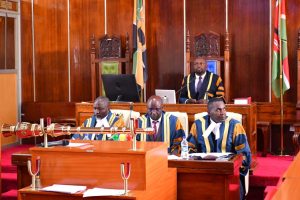
Widowhood in Kenya has long been entangled with retrogressive cultural practices such as forced remarriage, widow cleansing, disinheritance, and social exclusion. These practices are deeply rooted in patriarchal traditions that view widows as obstacles or dependents rather than as individuals entitled to full citizenship and equality. Despite constitutional guarantees for equality and the existence of national laws such as the Matrimonial Property Act and the Law of Succession, many widows—especially those in rural areas—struggle to enforce their rights. Poverty, illiteracy, and biased customary courts compound their vulnerability, leaving many without recourse or justice.
The Siaya Widows Protection Bill breaks new ground by not only codifying widow rights but also institutionalizing local support structures specifically designed to advocate for, protect, and empower widows at the grassroots level. A key transformative feature of the Bill is the establishment of the Siaya County Widows Welfare Committee and the Directorate of Widows’ Affairs. These bodies are mandated to oversee widow protection programs, facilitate access to justice, and coordinate social welfare initiatives. Equally revolutionary is the creation of the Widows Welfare Fund, which provides widows with access to financial assistance, vocational training, business grants, and other economic empowerment programs. Such targeted interventions are vital for breaking the cycle of poverty and dependency that many widows face, enabling them to rebuild their livelihoods and nurture their families with dignity.
The Bill also addresses critical gaps in awareness and social attitudes by promoting community mobilization and public education on widows’ rights. Changing entrenched social norms requires persistent community dialogue, sensitization campaigns, and the training of law enforcement and judicial officers to adopt gender-sensitive approaches when handling cases of widow abuse. Too often, widows’ complaints have been dismissed as mere domestic or family issues, perpetuating cycles of violence and dispossession. By embedding community empowerment and legal aid accessibility, the Bill offers concrete solutions to elevate widows’ voices and protect them from harm.
Importantly, the Bill aligns with Kenya’s international obligations, including the United Nations resolution on widowhood, which calls upon governments to enact policies that end violations against widows worldwide. Siaya County’s legislation thus serves as a model for Kenya and the region by translating international standards into actionable local policies that respond to the lived realities of widows. Behind this legislation are powerful advocates—widow activists and legislators—who bring personal experience and determination to the cause, ensuring the law remains true to the people it seeks to protect.
Implementation will, however, determine the success of this bold vision. The county government must allocate sufficient resources to operationalize the committees, manage the fund effectively, and sustain outreach programs. Transparency, accountability, and inclusivity in governance will be crucial in building widows’ trust and ensuring they benefit equitably from these structures. Partnerships with civil society, faith-based organizations, and the media can amplify awareness, monitor progress, and hold duty bearers accountable. Other counties are encouraged to draw lessons from Siaya’s example, while the national government should move toward harmonizing widow protection frameworks for uniformity and sustainability.
Beyond its immediate legal and economic implications, the Bill carries profound social justice significance. Protecting widows uplifts families, strengthens communities, and fosters equality by reducing poverty and social exclusion. Widows often form the backbone of community resilience—caring for children, supporting elders, and contributing to local economies despite immense challenges. The Bill affirms their rightful place in society and transforms widowhood from a period of vulnerability into a chapter of empowerment and renewal. Widows no longer have to live in fear, silence, or shame—they now have a legislated shield and a platform for advancement in Siaya County.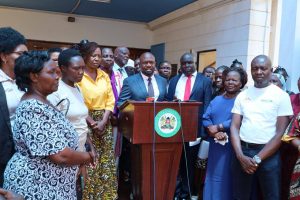
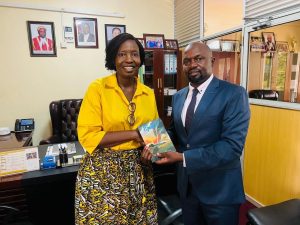
In conclusion, the Siaya County Widows Protection Bill, 2025 marks a dawn of hope and dignity for widows in Kenya. It blends legal innovation, cultural transformation, and economic empowerment into a holistic framework poised to redefine widowhood as a journey of strength, not suffering. This historic legislation sets a precedent for other counties and the national government to follow, ensuring that widows across the country live free from discrimination, supported to thrive with equal opportunity and respect. The promise of this law lies not just in its words but in its implementation—translating its vision into the lived reality of justice, equality, and empowerment for every widow in Siaya County and beyond.
James Kilonzo Bwire is a Media and Communication Practitioner.


