


• Fri. Oct 23rd, 2026
ADVERT

Dog Killed by Python, Man Paid — But as Monkeys Ravage Siaya, Residents Ask: Who Cares?

ByEditor

Jan 3, 2026
ADVERT
ADVERT

A quiet village in Ugunja has ignited a loud national debate on Kenya’s uneven handling of human–wildlife conflict.
Charles Osore, a resident of Luoka village in Siaya County, is set to be compensated by the government after a python attacked and killed his dog — an incident that briefly shocked the nation and swiftly drew the attention of the Kenya Wildlife Service (KWS).

Osore found himself in the national spotlight after the rare snake attack was widely shared by the media. Within days, a KWS delegation led by Senior Warden Grace Kariuki, who oversees Kisumu and Siaya counties, descended on Luoka village to assess the incident, console the affected family and formally initiate compensation.

Commending Osore for cooperating with wildlife authorities despite the loss, Kariuki assured him that the government would take full responsibility for the incident and see the compensation process through. She further urged residents to report wildlife encounters promptly, promising faster response and sensitisation programmes to help communities coexist safely with wildlife.

“If anything like this happens in future, residents should reach out to us through our hotline so that KWS officers can take action,” Kariuki said.On paper, it was a textbook response — swift, visible and sympathetic.

But across Siaya County, that efficiency has reopened an old wound.

ADVERT

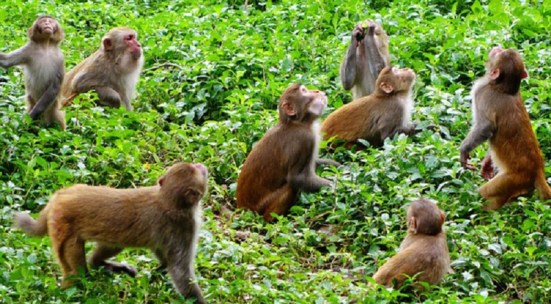
While Osore’s case moves smoothly through the compensation pipeline, thousands of residents across Siaya continue to battle daily invasions of monkeys that destroy crops, invade homes, terrorize children and wipe out livelihoods — with little to no intervention.

From Ugenya to Bondo and parts of Rarieda, farmers complain of entire harvests lost to marauding primates. Unlike the dramatic python incident, monkey invasions are slow, relentless and rarely go viral. As a result, residents say, they are treated as background noise.

“There are people who have lost maize, bananas and even poultry year after year,” lamented one farmer in Gem. “No compensation, no KWS visit, no hotline help — just silence.”

The contrast has fuelled growing frustration: why is a single dog killed by a python enough to trigger compensation, while widespread economic destruction affecting hundreds of households attracts little urgency?

KWS insists it is committed to protecting both human life and wildlife, pointing to recent tragic incidents such as the death of a 35-year-old ECDE teacher, Eunice Kuria Maora, in Kajiado West following a human–wildlife conflict. In that case, the agency moved swiftly, expressed condolences and intensified mitigation efforts to prevent further loss of life.
“KWS is deeply saddened by this painful loss,” Director General Dr Erustus Kanga said in a statement, reaffirming the agency’s commitment to peaceful coexistence.

Yet for many in Siaya, the issue is not intent but equity.

Human–wildlife conflict is not only about deaths and dramatic attacks; it is also about slow economic strangulation. Monkeys may not kill, but they impoverish. They destroy food security, discourage farming and push already struggling families deeper into poverty.

Marauding monkeys have caused great economic devastation in Siaya with this villagers of Lifunga in Ugenya compelled to have an honest man-to-man discussion with KWS officers

Osore’s compensation is lawful and deserved under existing frameworks. Few dispute that. What residents are questioning is why the system appears reactive to headline-grabbing incidents while routine suffering is normalized.

As monkeys continue to roam freely through villages with no clear mitigation plan, Siaya residents are asking uncomfortable questions: Does compensation only follow tragedy when cameras are rolling? And who speaks for farmers whose losses come quietly, crop by crop?

Until those questions are answered, the python compensation story may stand less as a triumph of government responsiveness — and more as a mirror reflecting the deep inconsistencies in how human–wildlife conflict is addressed in Kenya.

ALSO READ

Ne-Yo Lights Up Nairobi as Stanbic Bank’s Mashujaa Day Concert Draws 3,500 Fans Grammy-winning R&B superstar headlines ‘One Night Only: Brunch Edition’ at Ulinzi Sports Complex as Stanbic Bank backs Kenya’s creative economy and local enterprise NAIROBI, October 21, 2026 — Nairobi’s entertainment scene came alive on Mashujaa Day as approximately 3,500 music fans gathered at Ulinzi Sports Complex for One Night Only: Brunch Edition with Ne-Yo, a premium live-music experience title-sponsored by Stanbic Bank. The concert, held on Tuesday, October 20, delivered an afternoon of live performances, music and networking, bringing together Kenyan and international talent for a celebration that blended world-class entertainment with opportunities for the country’s growing creative economy. Performances began at 3:30 pm and concluded shortly after 8:00 pm, maintaining the event’s signature daytime brunch format while giving fans an opportunity to experience some of the biggest names on the lineup before nightfall. Kenyan musician Mutoriah opened the show with an energetic set, setting the pace for the afternoon. UK-based band Sol and the Gang followed with a vibrant performance before three-time Grammy Award-winning American R&B star Ne-Yo took centre stage to close the concert in style. Top Kenyan DJs kept the predominantly millennial audience entertained throughout the event, sustaining the energy between performances and reinforcing Nairobi’s growing appetite for curated, premium music experiences. Stanbic Bank puts creative economy in the spotlight Beyond the music, the concert highlighted the commercial opportunities generated by Kenya’s live-entertainment industry, with Stanbic Bank positioning its sponsorship as an investment in the wider creative ecosystem. The production created business opportunities across multiple segments of the value chain, including artists, sound engineers, stage and technical crews, production specialists, hospitality providers, security personnel, vendors and micro- and small enterprises. For an industry that relies heavily on collaboration among creative professionals and service providers, events of this scale can stimulate local demand, support livelihoods and open new commercial opportunities for businesses operating behind the scenes. Michael Mutiga, Chief Executive of Stanbic Bank Kenya and South Sudan, said the concert demonstrated how large-scale entertainment can combine audience appeal with tangible economic activity. “Yesterday was a powerful demonstration of what happens when world-class entertainment meets meaningful local economic impact,” Mutiga said. He noted that bringing more than 3,000 fans together went beyond the performances on stage, generating business for artists, technical teams, vendors, hospitality partners and small enterprises involved in delivering the event. “Kenya’s creative sector is a dynamic driver of growth, and Stanbic Bank remains committed to strengthening this ecosystem, raising its commercial profile, and supporting the livelihoods anchored in it,” he added. Creative industry contributes 5.32% of Kenya’s GDP The sponsorship comes against the backdrop of the creative economy’s contribution to employment, enterprise development and national output. A 2021 report by the World Intellectual Property Organization (WIPO) and the Kenya Copyright Board (KECOBO) placed the creative industry’s contribution to Kenya’s gross domestic product at 5.32%, while estimating that the sector provided formal employment for approximately 195,000 people. The industry also supports livelihoods across the informal economy, including performers, independent producers, event organisers, designers, content creators, technicians and small businesses that supply goods and services to entertainment productions. Stanbic Bank’s approach underscores the potential of cultural events to serve as more than marketing platforms. By bringing together consumers, performers, businesses and corporate sponsors, such events can create opportunities for local talent, showcase production capabilities and connect home-grown enterprises to wider commercial networks. However, the long-term impact of such initiatives depends on whether the opportunities generated translate into sustained contracts, improved incomes and stronger business prospects for local players beyond individual events. Stanbic Bank celebrates premium daytime entertainment Lilian Onyach, Head of Brand and Marketing at Stanbic Bank Kenya, said the event was designed to offer clients and music enthusiasts a distinctive, world-class daytime entertainment experience. She said the turnout and audience energy reflected the vibrancy of Kenya’s entertainment market and the growing appeal of carefully curated live-music events. “We set out to offer our clients and music enthusiasts a distinctive, world-class daytime experience, and the turnout and energy yesterday proved just how vibrant Kenya’s entertainment market is,” Onyach said. She added that the afternoon schedule allowed the event to preserve its brunch atmosphere while showcasing the artistry, logistical expertise and commercial capacity of Kenya’s creative industry. The format also reflects a broader opportunity for event organisers and sponsors to diversify entertainment offerings beyond traditional late-night concerts, creating experiences that appeal to audiences seeking music, social interaction and premium hospitality in a single setting. Brand recognition reinforces Stanbic Bank’s market position The Ne-Yo concert adds to Stanbic Bank’s brand-building initiatives as the lender continues to pursue market visibility through entertainment, customer engagement and support for economic activity. The bank was recently named Overall Best Bank in Kenya at the Think Business Awards. At group level, its parent, Standard Bank Group, was ranked Africa’s Most Valuable Bank Brand by Brand Finance for the fifth consecutive year. Through sponsorships such as One Night Only, Stanbic Bank is seeking to connect its brand with experiences that attract consumers while supporting businesses and professionals in adjacent industries. As Kenya’s creative sector continues to evolve, the commercial value of live entertainment will increasingly depend on the ability of organisers, sponsors and industry players to convert audience demand into sustainable opportunities for artists, entrepreneurs and the wider workforce. At Ulinzi Sports Complex, Ne-Yo provided the headline attraction, but the broader story extended beyond the stage: a major public celebration that brought international music to Nairobi while spotlighting the economic potential of Kenya’s creative industries