 ADVERT
 ADVERT
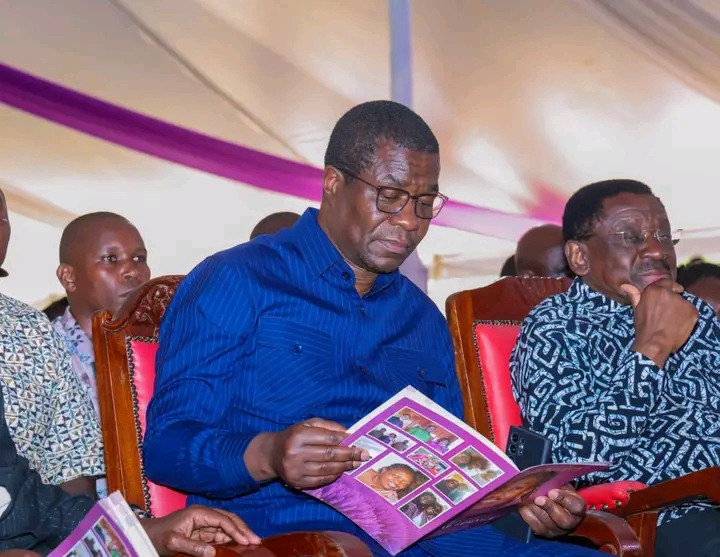
The loss of a loved one always stirs profound sorrow, touching every corner of a community and revealing the strength of the bonds that tie people together. When James Wandayi visited Nyamira to commiserate with the family and friends of the late Beryl Achieng Odinga, his gesture went beyond mere condolence—it highlighted the crucial role of empathy and communal support in times of grief. In a society like Kenya’s, where family and community are pillars of identity, such visits by leaders reaffirm that no one suffers alone and that leadership is as much about human connection as it is about governance.
Kenya’s fabric is woven tightly with the threads of shared experiences, collective joys, and mutual support during hardships. When tragedy strikes, it’s customary for the community to rally around those in mourning, showing solidarity through presence, prayers, and encouragement. James Wandayi’s visit embodies this spirit of togetherness and reflects a leadership style grounded in humility and genuine care. It reminds us all that true leaders walk with their people through every season of life—joy and sorrow alike—and that compassion is a powerful, binding force in society.
The Odinga family has long held a place of prominence in Kenya’s political and social landscape. Their journey has been one marked by dedication to public service, resilience in adversity, and commitment to national unity. The passing of Beryl Achieng Odinga is a personal loss that reverberates nationally, touching all who respect the family’s legacy. Wandayi’s commiseration signals respect for this legacy and underlines the shared nature of grief, which transcends individual families and embraces the wider community in collective mourning.
In addition to offering comfort, communal mourning nurtures resilience by providing a space where grief can be openly expressed and gradually transformed into healing. It reminds us that sorrow, while deeply personal, is part of the human experience that connects all. The prayers and words of support shared during these moments are far more than rituals; they are affirmations of life, hope, and the promise of renewal. Wandayi’s heartfelt wishes for peace and strength are a call to collective responsibility—to bear one another’s burdens and to create networks of care that extend beyond the immediate family.
Leadership’s presence during such trying moments demands authenticity above all else. Public figures may often be viewed with skepticism during acts of condolence, but genuine empathy cannot be discounted or replicated by empty words. By committing time and attention to a grieving family, James Wandayi sets a standard for how leaders can embody the values of service and solidarity. His actions inspire others in positions of influence to engage meaningfully with the communities they represent, showing that leadership is not confined to policy debates but lived in everyday acts of kindness.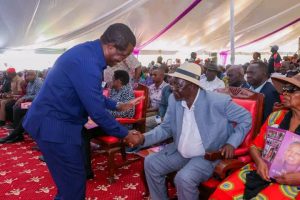
 ADVERT
Moreover, moments like these reveal the deeply human side of leadership and community life, reminding Kenyans of the importance of social cohesion in nation-building. Traditional values of collective identity, perseverance, and mutual respect are what enable Kenya to face challenges united. It is in the embrace of shared humanity—especially in times of loss—that society finds the strength to move forward.
As Beryl Achieng Odinga is laid to rest, the mourning community looks for peace in the solidarity that surrounds them. Leaders like James Wandayi, who show up not out of obligation but with sincere compassion, help heal the wounds of loss and light the way forward. Their example calls on all Kenyans to remember that behind every public life are intimate stories of love and loss, and that honoring these stories enriches the nation.
In the larger tapestry of Kenyan society, the simple act of standing with those who grieve affirms the power of community and leadership rooted in empathy. It is through such acts that the true essence of nationhood is revealed: a commitment to one another in times of joy and sorrow alike, forging a future that honors the past with dignity and hope.
James Kilonzo Bwire is a Media and Communication Practitioner.


