 ADVERT
 ADVERT
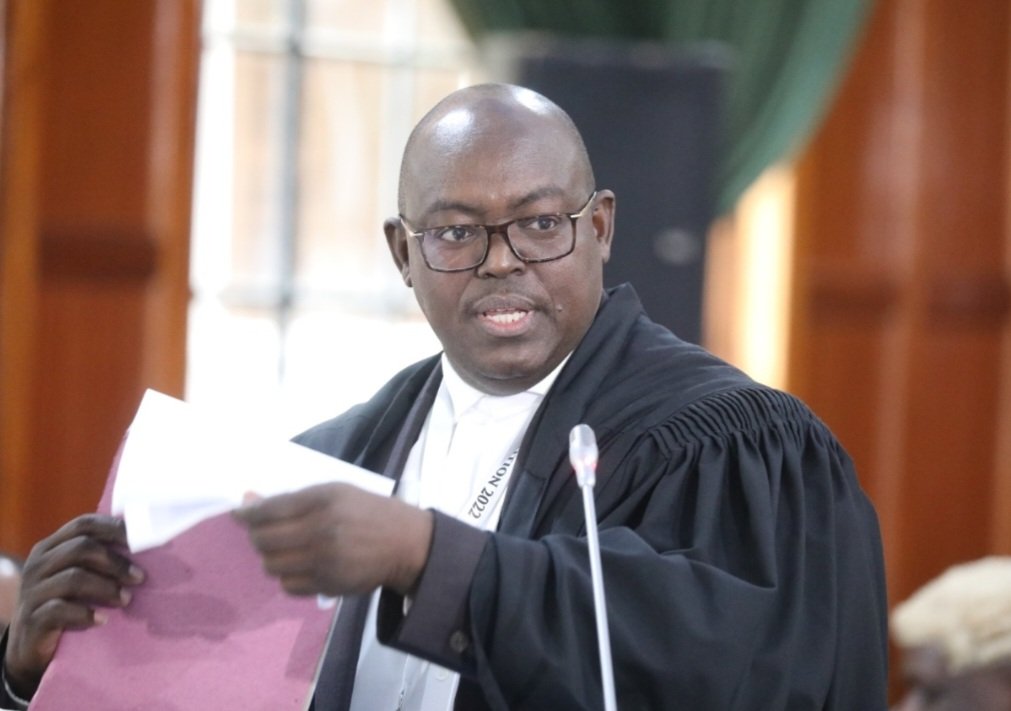
Senior Counsel Mungai Kibe launched a blistering constitutional attack on the impeachment of former Deputy President Rigathi Gachagua, invoking the legacy of celebrated jurist Pheroze Norowjee to argue that Kenya’s democratic institutions risk repeating the very failures that necessitated the promulgation of the 2010 Constitution.
Appearing before the High Court in Milimani in the high-stakes impeachment dispute, Kibe recalled Norowjee’s powerful argument during the constitutional reform movement that both Parliament and the Judiciary had consistently failed Kenyans whenever political power eclipsed constitutional fidelity.
The reference set the tone for an aggressive legal offensive in which Kibe portrayed Gachagua’s removal from office as a politically engineered process that fell short of the constitutional threshold required to impeach a Deputy President.
Despite resistance from some members of the bar over his attempt to introduce a booklet as supplementary evidence, Kibe pressed ahead relentlessly, insisting the material was necessary to place the impeachment proceedings within Kenya’s wider constitutional and historical context.
In a sharply worded submission, the veteran lawyer accused Parliament of acting in a “sycophantic” manner, arguing that legislators surrendered independent judgment in favour of political loyalty and executive pressure.
 ADVERT
According to Kibe, impeachment was reduced from a solemn constitutional mechanism into a partisan political weapon designed to settle internal power struggles within government.
He maintained that the proceedings lacked the gravity, impartiality and evidentiary standard envisioned under the Constitution, warning that lowering the threshold for impeachment could weaken the country’s democratic safeguards and expose constitutional offices to political vendettas.
Kibe further argued that the framers of the 2010 Constitution deliberately created rigorous protections around the removal of senior state officers to shield the country from arbitrary political action and majoritarian abuse.
By invoking Norowjee — widely respected as one of Kenya’s foremost constitutional thinkers — Kibe sought to frame the case as more than a personal battle for Gachagua’s political survival. Instead, he cast it as a defining national test on whether constitutional institutions can withstand political pressure and uphold the rule of law.
The courtroom showdown that is ongoing with Mungai Kibe still making his submission has since evolved into a broader debate about the independence of Parliament, the role of the Judiciary and the constitutional limits of impeachment powers in Kenya’s evolving democracy.
Gachagua’s impeachment, the first successful removal of a Deputy President under the 2010 Constitution, continues to stir sharp political and legal divisions across the country, with allies insisting the process was driven by political expediency rather than genuine constitutional violations.
As the legal battle intensifies, Kibe’s invocation of Pheroze Norowjee’s warning has injected fresh weight into the proceedings, reviving old questions about whether Kenya’s institutions have truly broken free from the culture of political conformity that the 2010 Constitution sought to dismantle.



