 ADVERT
 ADVERT
Fear and uncertainty have swept through Mlolongo after reports of two lions roaming near residential areas triggered an urgent response from the Kenya Wildlife Service (KWS).
The alarming sightings, reported by residents in the fast-growing Nairobi satellite town, have prompted a full-scale search operation as authorities race to establish the presence and movement of the suspected big cats.
KWS has deployed specialized ranger teams to track and contain the animals, prioritizing the safety of both residents and wildlife. The agency’s Problem Animal Management units are combing through the area, following up on leads and monitoring possible movement corridors.
Residents have been urged to remain vigilant, limit movement—especially after dark—and immediately report any sightings to authorities. Children have been advised to stay indoors as a precaution.

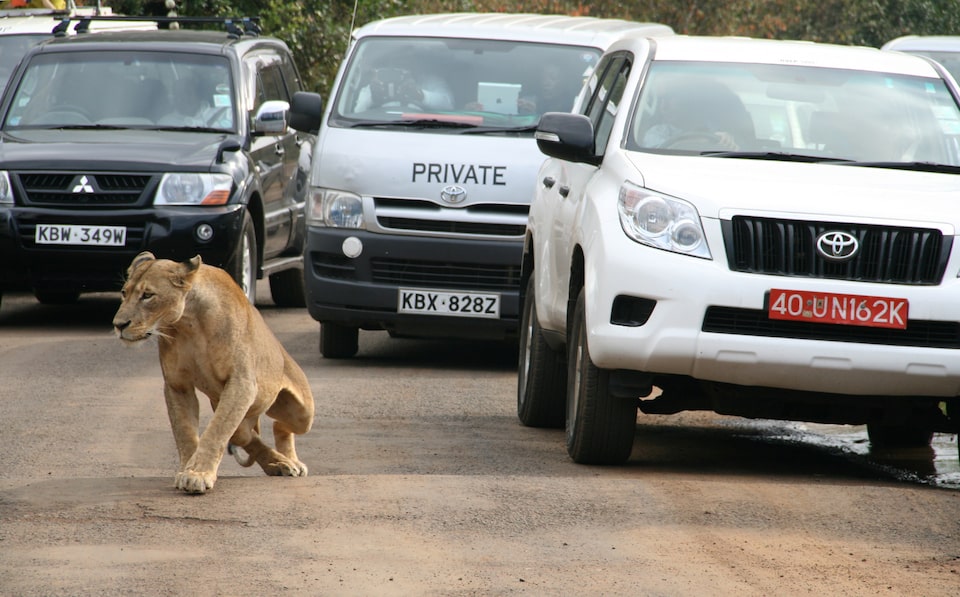
The Mlolongo scare once again shines a spotlight on the fragile boundary between human settlement and wildlife territory. Located near the Nairobi National Park ecosystem, the area lies along a critical wildlife dispersal corridor, where animals occasionally stray beyond protected zones.
 ADVERT
Experts warn that rapid urbanization, shrinking habitats, and disrupted migration paths are increasing the frequency of such encounters. Lions, in particular, are known to follow prey movements, sometimes leading them into human-populated zones.
Even as tension rises, authorities are approaching the reports with measured caution. Past incidents have shown that some lion scares turn out to be false alarms or cases of mistaken identity.
KWS has yet to conclusively confirm the presence of two lions in Mlolongo, but officials insist that every report is being treated seriously until proven otherwise.
The unfolding situation underscores the delicate balance Kenya must maintain between conservation and public safety. Nairobi National Park remains one of the few wildlife reserves in the world bordering a capital city—a unique but challenging coexistence.
When such incidents occur, swift coordination between residents and wildlife authorities often makes the difference between panic and control.
As the search continues, anxiety remains high. Patrols have intensified, and residents are staying on edge, waiting for clarity.
For now, the question hangs in the air: are there truly two lions on the loose, or is Mlolongo confronting a false alarm magnified by fear?
Until answers emerge, one message rings clear—stay alert, stay indoors, and report anything unusual.



