 ADVERT
 ADVERT
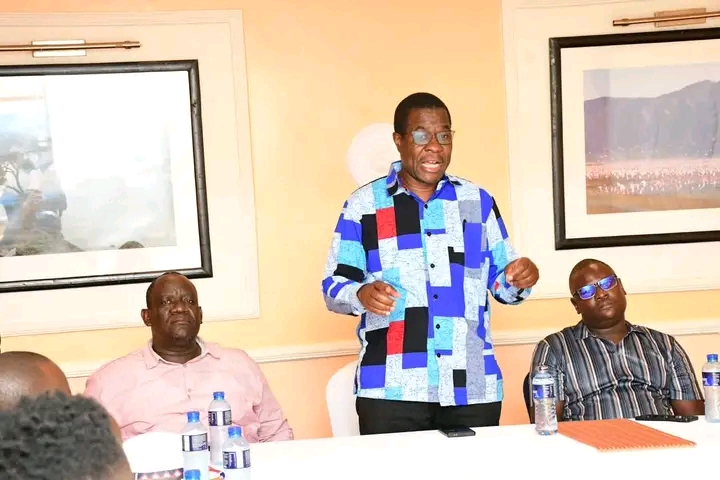
The consultation held in Kisumu City by Cabinet Secretary for Energy and Petroleum Opiyo Wandayi with leaders and stakeholders from Siaya County represents more than a routine political meeting. It is a deliberate effort to bring together elected leaders, community representatives, youth, persons with disabilities, and the private security sector around a common development agenda. At a time when the country requires cooperation rather than division, such engagements remind leaders that public service is measured by the practical improvements delivered to ordinary citizens. Wandayi, who serves as Cabinet Secretary for Energy and Petroleum and previously represented Ugunja Constituency in Parliament, brings both national responsibility and local understanding to this conversation.
The central message from the Kisumu meeting is that development cannot be achieved through isolated effort. Siaya County, like many other counties, faces expectations in areas such as infrastructure, education, employment, energy access, public participation, and economic opportunity. These needs cannot be addressed effectively if leaders work in silos or if communities are excluded from decision making. The consultation therefore affirmed the value of dialogue among leaders and stakeholders who may hold different positions but share one responsibility: to improve the welfare of the people they serve.
Regional unity should not be understood as blind political agreement. It should mean a willingness by leaders to place the interests of the people above personal ambition, political rivalry, and short term gain. When leaders from different wards, backgrounds, and sectors sit together, they create room for honest discussion about priorities. They are also able to identify gaps, avoid duplication, and coordinate their efforts. This is the kind of leadership that Siaya County needs if development initiatives are to move from announcements to visible results.
The participation of Members of County Assembly in the meeting was particularly important. MCAs are the closest representatives of the people at the county level. They understand local concerns, community expectations, and the practical challenges facing households and institutions within their wards. The presence of Apodo John Otieno of Sidindi Ward, Otieno Shalom Oduor, and Fredrick Odhiambo Oloo demonstrated that county leadership has a role to play in shaping the wider development conversation. Their involvement strengthens the link between national government programmes and the daily realities of citizens in Siaya.
Equally significant was the inclusion of youth, persons with disabilities, and representatives of the private security sector. Development becomes meaningful only when it includes those who are often left on the margins of public decision making. Young people need opportunities for skills, employment, innovation, and leadership. Persons with disabilities require inclusion in public services, infrastructure, economic activities, and governance processes. The private security sector, which employs many citizens and supports public safety, also deserves recognition as an important stakeholder in community development. By bringing these groups into the conversation, the meeting acknowledged that no community should be treated as an afterthought.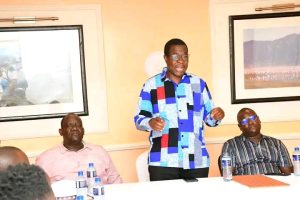
 ADVERT
The engagement also speaks to the broader idea of collaboration between leaders, stakeholders, and the Broad Based Administration under President William Ruto. A broad based approach to governance recognises that national challenges require cooperation across political and regional lines. It encourages leaders to work together in areas that affect citizens directly, including energy, roads, water, agriculture, health, education, and job creation. For Siaya County, this approach offers an opportunity to align local priorities with national development plans and to ensure that government programmes respond to genuine community needs.
Energy remains one of the most important foundations of development. Reliable and affordable electricity supports businesses, schools, health facilities, homes, irrigation, digital services, and industrial growth. As the ministry responsible for energy security, access to power, petroleum services, and the transition to sustainable energy systems, the Ministry of Energy and Petroleum has a direct role in creating conditions for economic activity. When leaders engage the energy ministry on local development priorities, they help ensure that national investments in power and infrastructure translate into tangible benefits for households and enterprises.
However, consultations must lead to action. Public meetings are valuable only when they produce clear commitments, follow up mechanisms, and measurable outcomes. Leaders and stakeholders in Siaya County should now translate the spirit of the Kisumu engagement into practical priorities. These may include improved electricity connectivity, support for youth enterprises, inclusive public infrastructure, stronger community security arrangements, and coordinated advocacy for county development projects. Every agreement reached should have a responsible actor, a timeline, and a way for citizens to monitor progress.
Citizens also have a responsibility in this process. Development is not the work of leaders alone. Communities must participate in public forums, raise concerns respectfully, support legitimate initiatives, and hold leaders accountable for promises made. A united county is not one where citizens are silent; it is one where people engage constructively with their leaders and demand results. Public participation gives government decisions legitimacy and helps ensure that projects respond to real needs rather than political convenience.
The meeting in Kisumu should therefore be seen as a starting point for sustained cooperation. Siaya County has capable leaders, active community groups, and citizens who desire progress. What is required is consistency. Leaders must continue consulting one another, sharing information, and coordinating their efforts beyond political seasons. Stakeholders must remain engaged, while the national government must respond with policies and programmes that reflect the priorities raised during such consultations.
Unity of purpose is not merely a slogan. It is a practical approach to leadership that places cooperation, inclusion, and accountability at the centre of public service. The Kisumu consultation demonstrated that leaders and stakeholders from Siaya County are willing to sit together and discuss a shared future. The next task is to maintain that commitment and ensure that the outcomes of the meeting improve lives across the county. When leaders unite around development, communities gain confidence, resources are used more effectively, and the promise of a better future becomes achievable.
Photo courtesy: Cabinet Secretary Opiyo Wandayi during a consultative engagement with Siaya County leaders and stakeholders in Kisumu City.


