 ADVERT
 ADVERT
By Special Correspondent
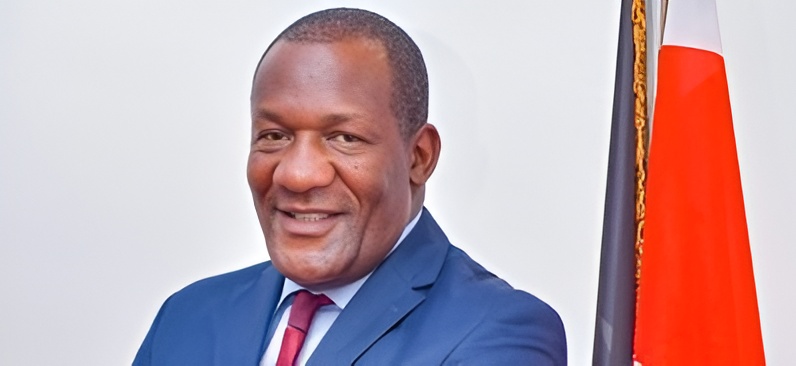
A fierce political storm is gathering around Kisumu City Manager Abala Wanga, with fresh claims emerging that recent allegations against him may be part of a calculated scheme by rivals in the Gem Constituency MP race to derail his rising profile.
Sources close to the matter say the accusations of impropriety — now circulating widely on social media and in tabloid spaces — bear the hallmarks of a coordinated character assassination campaign aimed at undermining Wanga’s growing influence both in Kisumu and in his home turf of Gem.
According to insiders, political competitors eyeing the 2027 Gem parliamentary contest view Wanga as a formidable contender on the ODM ticket. His rapid ascent and visible reform record at City Hall have, reportedly, unsettled entrenched interests.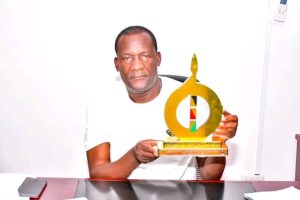
Critics of the process argue that the involvement of the investigative agency — expected to uphold strict due process — has amplified what they describe as a largely unverified narrative pushed by “bogey bloggers,” shadowy city cartels, and politically aligned operatives.
 ADVERT
The alleged objective, sources claim, is simple: dent Wanga’s reputation early enough to blunt his electoral momentum.
A protégé of Kisumu Governor Prof. Peter Anyang’ Nyong’o, Wanga has built a reputation as an energetic urban reformer. His tenure as City Manager has coincided with visible changes in Kisumu’s urban management framework.
Recently, the Africa Foundation recognized him as Best Urban Manager, citing a series of reforms that have reshaped the lakeside city.
Key Milestones Attributed to Wanga
Urban Renewal: Kisumu has earned growing recognition for improved cleanliness, sanitation, and urban order.
Waste Management: Licensing of waste collectors and the planned relocation of the Kachok dumpsite.
Infrastructure Drive: Implementation of the Kisumu City Local Physical and Land Use Development Plan (LPLUDP) alongside affordable housing initiatives.
Sustainable Mobility: Early-stage plans for electric buses, pedestrian walkways, and cycle tracks.
National Leadership: Election as National Chairman of the Municipalities and City Managers Caucus.
Supporters say these achievements have disrupted long-standing patronage networks that previously thrived on disorder in city management.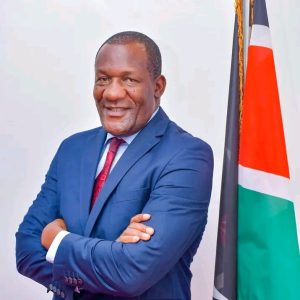
The controversy has deepened following claims that certain investigation officers were subjected to external pressure from political and commercial interests within Kisumu.
Unverified reports further allege that a local blogger — described by sources as a media extortionist — was financially induced to mount sustained pressure campaigns through blogs, emails, and whistleblower complaints aimed at forcing Wanga’s prosecution.
There are also claims that some local political figures and business operatives made unusual visits to senior officials at the investigative agency during the probe period. These allegations remain unproven.
Wanga’s lawyer, Senior Counsel Steve Ogola, has warned that legal action could be pursued over what he terms defamatory conduct and misrepresentation of facts.
According to the defence, public claims about facilitating a female acquaintance’s trip to Lagos allegedly differ materially from the contents of the formal charge sheet — a discrepancy the legal team says raises serious questions about the integrity of the public narrative.
Attention has also turned to the role of the Office of the Director of Public Prosecutions (ODPP). Sources indicate the prosecutorial body has been cautious, reportedly citing evidentiary gaps and due process concerns.
Legal observers note that under Kenya’s criminal justice framework, the burden of proof remains high and premature prosecutions risk exposing the State to claims of malicious prosecution should cases collapse in court.
Another strand of the controversy involves claims about Wanga’s academic qualifications. The investigative agency has questioned aspects of his educational history.
However, individuals described as former classmates from institutions including KMTC, Kampala International University, and Strathmore University have reportedly issued rejoinders defending the authenticity of his academic journey.
Academics familiar with his background say his progression — from a Division Three high school grade to certificate and diploma training, later advancing through mature entry to law studies and eventually an MBA — follows a documented and lawful pathway within the region’s education system.
Whether the allegations against Abala Wanga ultimately stand in court or collapse under scrutiny remains to be seen. What is already clear is that the unfolding saga has exposed the high-stakes political undercurrents ahead of the 2027 Gem parliamentary contest.
As investigations continue, governance experts warn that Kenya’s constitutional order depends on insulating criminal justice institutions from both political capture and public trial by media.
For now, Wanga remains in the eye of a gathering political storm — one that could either stall his ascent or, paradoxically, amplify his national profile.
This is a developing story.


