 ADVERT
 ADVERT
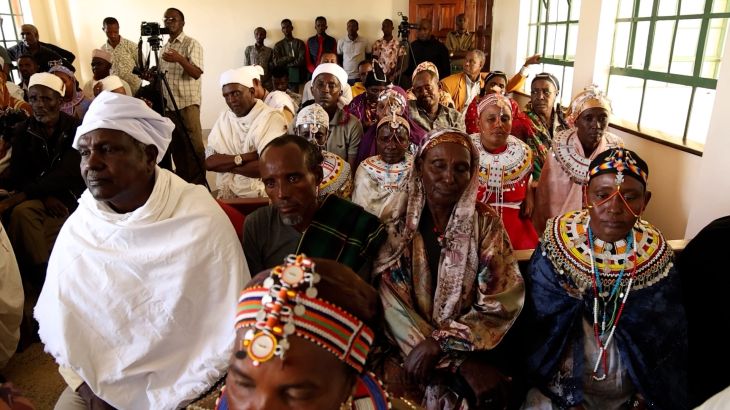
Deep in the harsh desert landscapes of Marsabit County, a decades-old environmental scandal is returning to haunt global energy giant BP as hundreds of villagers seek justice over alleged toxic pollution linked to oil exploration activities carried out in northern Kenya during the 1980s.
The villagers come from Kargi and Kalacha settlements in the Chalbi Desert, where residents say oil drilling operations conducted by Amoco Corporation — later acquired by BP — left behind hazardous waste that contaminated water sources and exposed communities to generations of suffering.
Now, nearly 40 years later, 299 petitioners have moved to court accusing BP and several Kenyan state agencies of negligence, environmental destruction, and failure to clean up toxic waste allegedly abandoned after exploration activities ended.
Court filings claim dangerous substances including arsenic, lead, nitrates, radioactive materials, barite, and bentonite seeped into underground water sources after drilling waste was dumped in open pits near community boreholes used by both humans and livestock.
The human toll emerging from the case is staggering.
 ADVERT
Residents and activists claim more than 500 people may have died from cancer and other illnesses linked to contaminated water around the abandoned drilling sites. Records from Kargi Health Centre reportedly showed 65 cancer-related deaths between 2006 and 2009 alone in an area with a population of about 10,000 people — a rate locals argue was abnormally high for such a remote community.
Pastoralist families also describe devastating livestock losses over the years, with thousands of goats, sheep, camels, and cattle allegedly dying after consuming contaminated water. In a region where livestock is the backbone of survival, the losses pushed many families deeper into poverty.
One of the most disturbing claims in the lawsuit is that some residents unknowingly used white drilling residue left behind at exploration sites as cooking salt due to widespread food scarcity and lack of awareness about its dangers.
For decades, locals say they watched relatives develop mysterious throat, stomach, and intestinal illnesses while little attention was paid to the growing health crisis in the isolated desert settlements.
The case, now before the Environment and Land Court in Isiolo, is rapidly becoming one of Kenya’s most significant environmental justice battles. Legal experts say it could set a major precedent on whether multinational corporations can be held accountable for environmental damage linked to companies they later acquired.
Beyond compensation, the villagers say their struggle is about dignity, recognition, and accountability after decades of alleged neglect.
As Kenya continues opening up its extractive industries to international investors, the Marsabit lawsuit is also reviving uncomfortable questions about the human cost of resource exploration in marginalized communities that often remain invisible long after multinational companies leave.



