 ADVERT
 ADVERT
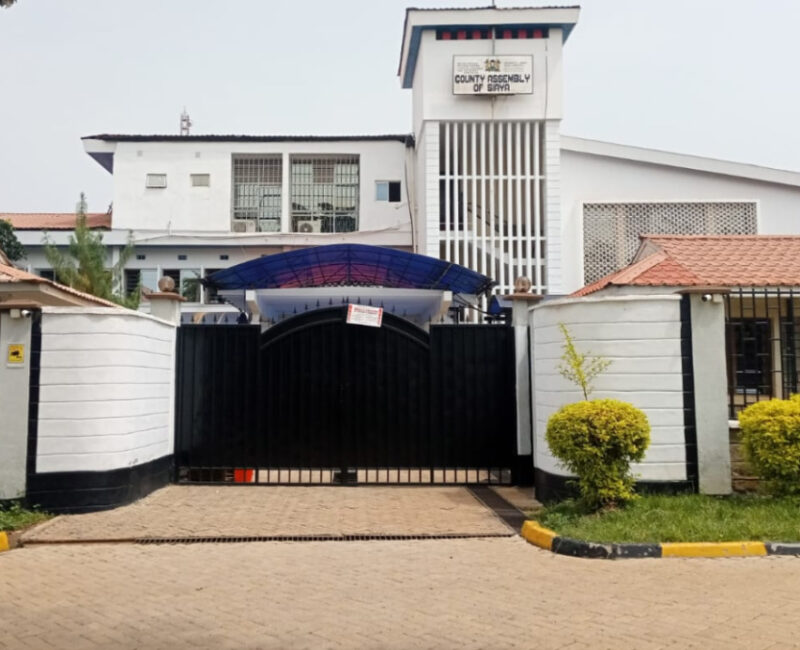
The dramatic suspension of East Asembo MCA Gordon Onguuru from the Siaya County Assembly is no longer being viewed as a simple disciplinary matter. It has quickly evolved into a revealing glimpse into the simmering political rivalries, shifting loyalties and ideological battles currently shaping Luo Siaya politics.
Onguuru was suspended for 30 days after allegedly making sexually suggestive and offensive remarks directed at President William Ruto and Homa Bay Governor Gladys Wanga during a political gathering in Oyugis. The Siaya Assembly overwhelmingly backed a motion accusing the MCA of conduct unbecoming of a public officer and violating the dignity expected of elected leaders.
Yet behind the official explanation lies a far more layered political story.
Within Siaya’s political circles, Gordon Onguuru is widely known as a quiet but deeply loyal admirer of Siaya Governor James Aggrey Bob Orengo. Unlike many politicians who openly seek publicity through fiery declarations, Onguuru has largely operated as a silent defender of Orengo’s ideological posture — especially the governor’s increasingly confrontational stance against President Ruto’s administration and the emerging broad-based political cooperation between sections of ODM and Kenya Kwanza.

That political positioning may have inadvertently placed him directly in the crosshairs.
 ADVERT
Governor Orengo has in recent months distinguished himself as one of the few senior ODM figures unwilling to fully embrace the new political détente with President Ruto. On the opposite side stands a growing faction within Siaya leadership, including allies of Governor Gladys Wanga, who appear more receptive to engagement with the national government in the name of development and political pragmatism.
It is within this widening fault line that Onguuru’s troubles exploded.
Critics of the suspension now argue that while the remarks attributed to the MCA may have crossed the boundaries of acceptable political discourse, the speed and intensity of the punishment also reflected deeper political anxieties within the Assembly. To them, Onguuru became an easy target precisely because he is associated — even if informally — with Orengo’s hardline political camp.
Supporters of the disciplinary action, however, maintain that leaders must be held accountable for inflammatory and demeaning public utterances regardless of political affiliation. They argue that the Assembly had a constitutional obligation to defend institutional integrity and protect public leadership from descending into vulgar political theatrics.
Speaker George Okode has since referred the matter to the Powers and Privileges Committee for further scrutiny, ensuring that the controversy is unlikely to disappear anytime soon.
For now, the suspension of Gordon Onguuru has done more than sideline a ward representative from Assembly proceedings. It has exposed the growing struggle for the political soul of Siaya — a contest between ideological resistance and political accommodation, between traditional opposition politics and a new era of pragmatic alliances.



