 ADVERT
 ADVERT
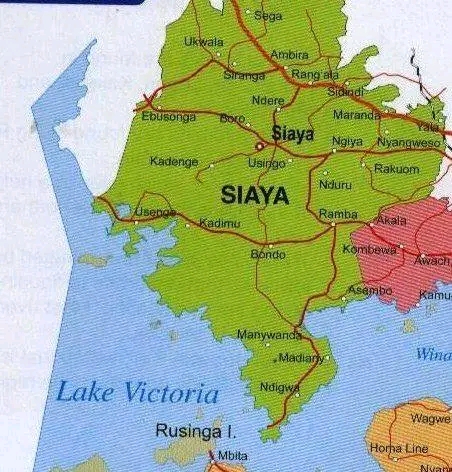
Bondo town yesterday hosted a pivotal public participation forum that could redefine land use and development across Siaya County, as residents and experts weighed in on the county’s proposed land use plan.
The high-level consultative meeting, convened by the Siaya County Government, attracted a diverse cross-section of stakeholders—from local residents and civil society to planners and land governance experts—highlighting the growing urgency around land management challenges in the region.
A dominant theme emerging from the forum was the rapid pace of urbanization in Siaya, particularly in Bondo, Ugunja, and Siaya town. Participants warned that development is increasingly happening ahead of planning, resulting in unregulated settlements, land-use conflicts, and mounting pressure on infrastructure.
The expansion of informal settlements—often lacking basic services such as water, sanitation, and roads—was cited as a major concern. Stakeholders emphasized the need for coordinated spatial planning and stricter development control to prevent long-term urban chaos.
The proposed policy places strong emphasis on digitizing land administration through the rollout of a County Geographic Information System (GIS) and a County Land Information Management System (CLIMS).
 ADVERT
Experts at the forum backed the move, noting that digital systems could transform land governance by:
Enhancing transparency and accountability
Streamlining land registration and transactions
Improving planning and revenue collection
Reducing disputes linked to unclear land records
With many parcels still unregistered or poorly documented, participants agreed that digitization is no longer optional—it is essential.
Climate change expert Dr. David Oremo delivered a strong technical submission, urging the county to sharpen the policy to reflect current realities.
He proposed:
Densification of base stations across the county to improve geospatial accuracy and enable proper referencing of land parcels
A review of agroecological zoning to reflect the shifting realities of climate change and optimize land use
Expanded civic education on land matters to empower citizens and reduce disputes
His intervention underscored the need for a forward-looking policy that integrates technology, climate science, and public awareness.
Environmental concerns featured prominently, with stakeholders warning that climate change is already altering land productivity and settlement patterns.
Key natural resources—including Lake Victoria, the Yala Delta, and major rivers—are increasingly under pressure from human activity and environmental degradation.
Participants called for:
Climate-sensitive land use planning
Protection of riparian zones and floodplains
Integration of climate risk assessments into infrastructure planning
The consensus was clear: without climate resilience at its core, the land policy risks becoming outdated before it is fully implemented.
Despite high levels of land adjudication in the county, disputes remain widespread—particularly around boundaries, inheritance, and urban land allocation.
These conflicts, stakeholders noted, continue to:
Delay development projects
Limit access to credit
Undermine tenure security
Calls were made for faster, more accessible dispute resolution systems, including the use of alternative justice mechanisms and digital tracking of cases.
Residents welcomed the opportunity to contribute to shaping the policy, emphasizing that meaningful public participation is key to successful implementation.
The proposed framework seeks to strengthen engagement from the grassroots level, including village structures, while promoting transparency and access to land information.
However, participants urged the county government to ensure that public input is not merely procedural, but actively shapes the final policy.
The Siaya County Land Policy is expected to serve as a blueprint for sustainable development—balancing economic growth, environmental protection, and social equity.
If effectively implemented, it could unlock investment, improve infrastructure, enhance food security, and reduce land-related conflicts.
As the consultation process continues, today in Alego-Usonga, one message from Bondo stood out:
Siaya must move from reactive land management to proactive, data-driven and climate-smart planning.




County land planning officers need to actively save our towns, like Usenge, from becoming slums. Business and residential constructions are being done hazardously because there is no guidance from the authorities.