 ADVERT
 ADVERT
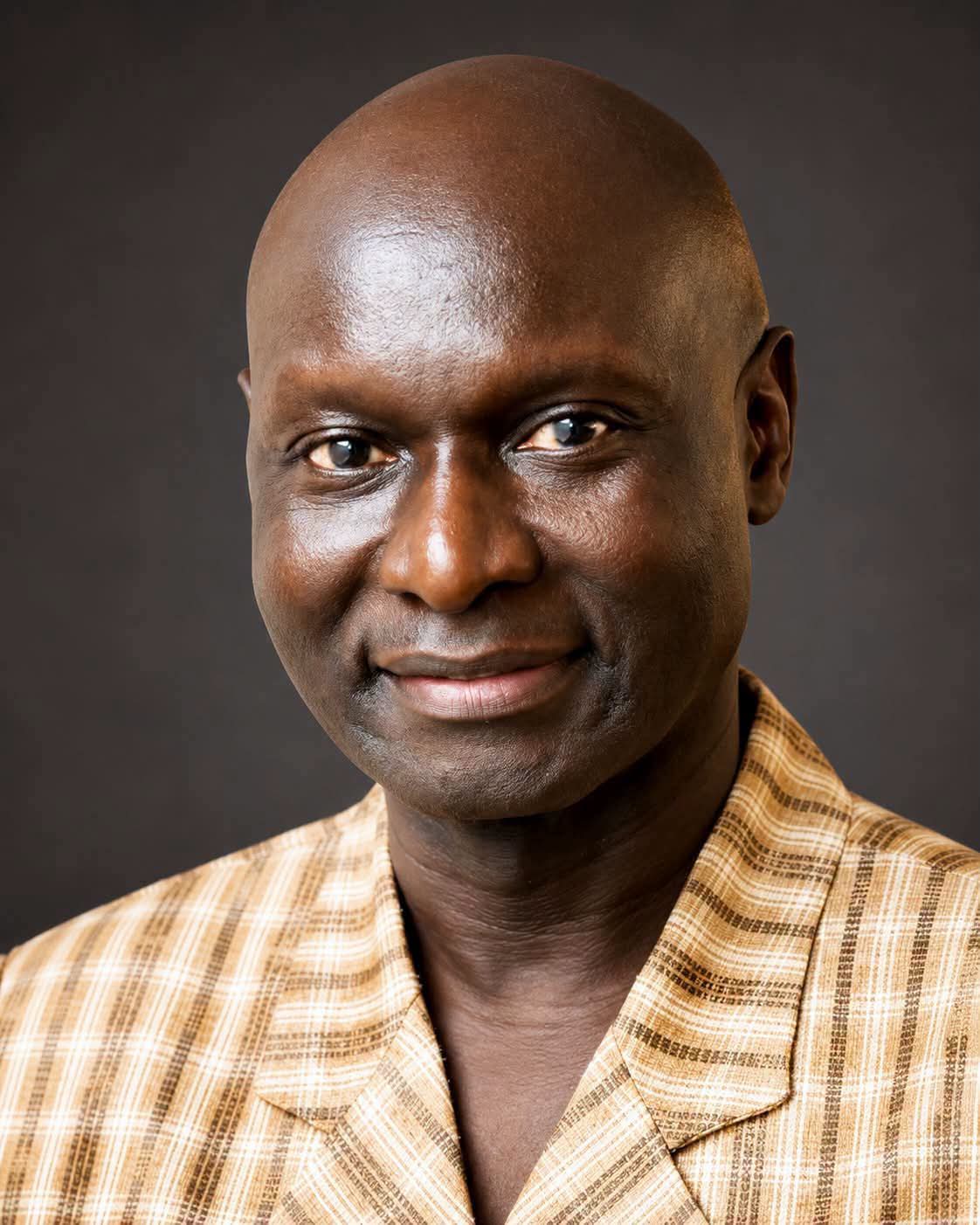
Uganda has formally nominated veteran diplomat Olara Otunnu for the position of Secretary-General of the United Nations, setting the stage for what could become one of the most closely watched diplomatic contests ahead of the expiry of António Guterres’s second and final term on December 31, 2026.
If elected, Otunnu would become one of the few Africans to lead the United Nations at a time when the organisation faces mounting geopolitical tensions, armed conflicts, climate emergencies and deep divisions among global powers.
The nomination has drawn attention not only because of Otunnu’s distinguished diplomatic résumé but also because of his extraordinary personal journey—from a hunted student activist under the brutal regime of Idi Amin to one of the world’s most respected international civil servants.
Few diplomats in East Africa possess credentials as extensive as Otunnu’s.
His public service spans more than four decades across both bilateral and multilateral diplomacy.
 ADVERT
He served as Uganda’s Permanent Representative to the United Nations between 1980 and 1985 before being appointed Minister for Foreign Affairs from 1985 to 1986.
His international profile continued to rise when he became President of the International Peace Academy, a position he held from 1990 to 1998.
Perhaps his most influential global role came when he was appointed United Nations Under-Secretary-General and Special Representative for Children and Armed Conflict, serving from 1997 to 2005. In that capacity, he became one of the world’s foremost advocates for protecting children caught in war zones, engaging governments, rebel movements and international organisations on some of the world’s most difficult humanitarian crises.
His experience also extends into domestic politics. In 2011, he contested Uganda’s presidential election on the Uganda People’s Congress ticket, giving him first-hand understanding of the political realities that often shape international diplomacy.
That combination of diplomatic experience, humanitarian leadership and political exposure is likely to strengthen Uganda’s argument that Otunnu possesses the qualities required to steer the United Nations through increasingly turbulent times.
Long before he became an internationally recognised diplomat, Otunnu was already attracting national attention as a fearless student leader.
Born in Mucwini in Acholi-land in 1950, he rose through the ranks at Makerere University, eventually becoming President of the Students’ Guild.
At a time when many feared confronting Amin’s government, Otunnu openly criticised the regime over enforced disappearances, political assassinations and growing repression.
Ironically, Amin initially appeared eager to cultivate him.
The military ruler invited the young student leader to State House and occasionally included him in official foreign delegations, perhaps hoping to neutralise one of the country’s most influential student voices.
Otunnu accepted some of those invitations but refused to soften his criticism of the government.
One of the defining moments came during an overseas trip.
His fellow Acholi and Cabinet minister, Erinayo Oryema, secretly summoned him to a hotel room.
According to Otunnu’s account, Oryema hid inside the bathroom to avoid possible surveillance before delivering a chilling warning.
The minister cautioned him that Amin’s friendliness was merely a façade and that the President had grown increasingly unhappy with his outspoken criticism.
The warning proved prophetic.
Oryema himself would later be assassinated alongside Janani Luwum and Charles Oboth-Ofumbi, killings that became symbols of Amin’s violent rule.
Despite the warning, Otunnu continued speaking out.
The decisive moment reportedly came during a function at Makerere University attended by Somalia’s Vice-President.
In his address, Otunnu openly blamed Amin’s government for Uganda’s deteriorating political and human rights situation.
The speech reportedly embarrassed government officials present.
One minister is said to have immediately briefed Amin, accusing the student leader of humiliating Uganda before a visiting foreign dignitary.
Soon afterwards, intelligence reportedly reached Otunnu that security agencies had been instructed to eliminate him.
State agents raided his room at Makerere University but found it empty.
They returned the following night.
Again, he had disappeared.
While hiding, Otunnu’s fellow students quietly organised an escape plan.
Among them was a Kenyan student named Alfred Ogada, who served in Otunnu’s student leadership team.
Ogada made an extraordinary sacrifice.
He handed Otunnu his Kenyan national identity card together with intimate details about his family, home village and personal background so that, if interrogated, he could convincingly pose as a Kenyan Luo.
During Amin’s dictatorship, assisting political dissidents carried enormous risks and could easily have attracted a death sentence.
Nevertheless, Ogada proceeded.
Using the Kenyan identity, Otunnu quietly left Makerere for the airport.
Immigration officials reportedly accepted the documents without suspicion.
“I Boarded as Alfred Ogada”
Otunnu later recalled the tense moments in an interview with the Daily Monitor.
The aircraft experienced a brief delay before take-off.
Inside the cabin, panic began to set in.
“I boarded a Kenyan Airways plane as Alfred Ogada. The plane was delayed for some time. In my mind, I thought they had got wind of my escape and they were on their way to come and get me.”
When the aircraft finally lifted into Kenyan airspace, the danger had passed.
He landed safely at Nairobi’s then Embakasi Airport under the borrowed identity before travelling onward to Dar es Salaam, where Uganda’s deposed President Milton Obote was living in exile.
From Tanzania, Otunnu secured scholarships that took him first to the University of Oxford and later to Harvard University, laying the academic foundation for a diplomatic career that would eventually place him at the highest levels of international affairs.
Otunnu’s journey mirrors many of the defining struggles of post-independence Africa—political persecution, exile, academic excellence, international diplomacy and public service.
His nomination comes as the United Nations prepares for a leadership transition at a time of growing global instability.
Whether Uganda’s campaign ultimately succeeds will depend largely on negotiations among the five permanent members of the UN Security Council and the broader support of the General Assembly.
Regardless of the outcome, Otunnu’s candidacy represents one of East Africa’s strongest bids for the world’s top diplomatic office and shines a spotlight on a remarkable life story in which a borrowed Kenyan identity card became the bridge between political persecution and global leadership.



