 ADVERT
 ADVERT
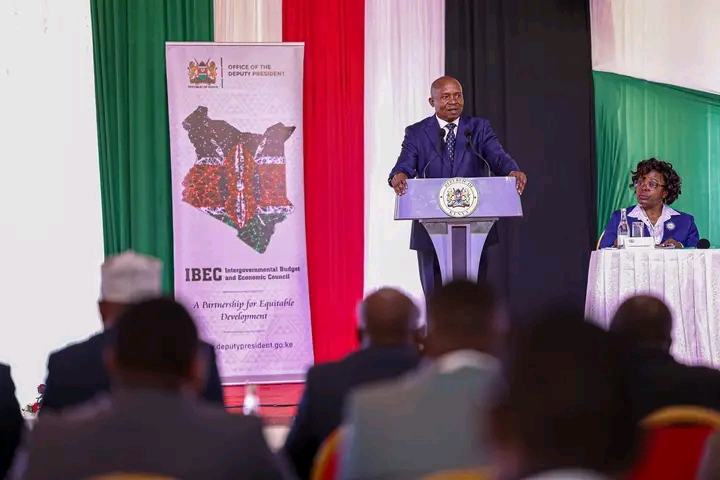
Deputy President Kithure Kindiki’s remarks at the 30th Ordinary Session of the Intergovernmental Budget and Economic Council should be read not merely as routine government communication but as a clear call for renewed focus on devolution, practical delivery and preparedness. His announcement that the National Treasury has disbursed all amounts due to counties up to August, coupled with praise for Parliament’s passage of the revenue division bills, signals an important administrative achievement. At a time when trust in public institutions is fragile and the rhythm of service delivery often falters at the county level, timely transfers matter. They translate directly into the ability of county administrations to pay staff, procure essential supplies, maintain operations and keep projects moving. Beyond the technicality of release dates, this action affirms a basic social contract between national and county governments, predictable funding unlocks predictable services. The government’s emphasis on maintaining timely allocations, even within constrained fiscal circumstances, should be welcomed by citizens and local leaders alike because it reduces one longstanding excuse for stalled programmes and opens the space for counties to demonstrate competence in converting funds into tangible outcomes for communities.
Yet the true test of this fiscal gesture lies not in transfers alone but in how county governments use the money. The Deputy President’s urging that counties accelerate completion of County Aggregation and Industrial Parks cuts to the heart of Kenya’s larger development challenge. CAIPs have been presented as engines of industrialisation, local value addition and job creation, and their completion would signal a move from planning to productive action. If counties and the national government move with urgency and discipline, the parks could support investment, anchor agro processing and provide employment opportunities for youth and women across regions. However, the potential of CAIPs will be realized only if leaders approach them with clear governance, transparent procurement, maintenance plans and active efforts to link local producers to markets. The call to finish projects nearing completion should therefore be matched by equally strong demands for accountability and for county administrations to present realistic timelines, capacity plans and sustainability strategies. Without this, CAIPs risk becoming another set of incomplete projects that fail to alter economic conditions on the ground.
Kindiki’s leadership of IBEC and his insistence that the council has become results oriented is a welcome shift in posture for an institution created to manage the relationship between the national and county governments. Constructive engagement between the two levels of government is essential to smooth implementation, resolve disputes and design policies that reflect local realities. The tone set in Karen must filter through to county halls and departmental offices. Governors and county officials should treat IBEC resolutions as opportunities for cooperation and improved service delivery. When intergovernmental collaboration is genuine, it helps avoid duplication, reduces friction over revenue and clarifies roles during emergencies. Yet success will require continuous commitment from both sides to back words with action. IBEC must follow up with technical support where counties need it, while counties must demonstrate readiness to implement agreed measures. This reciprocal responsibility is at the heart of devolution. It is not enough to celebrate allocations and pass bills. The machinery of coordination must be maintained and the culture of follow through strengthened.
Another critical dimension of Kindiki’s message is disaster preparedness in the face of the anticipated El Nino rains. The reminder that counties need to activate preparedness and response plans, clear drainage, protect vulnerable communities and pre position supplies reflects an urgent public safety priority. Floods and heavy rains expose weaknesses in infrastructure, urban planning and social protection systems. The call to act before the rains begin is timely because preventing disaster is invariably less costly, both in human lives and public resources, than responding after damage has occurred. County leaders must therefore take a proactive approach that combines immediate readiness with longer term investments in drainage, resilient infrastructure and proper land use planning. Preparedness also demands transparent communication with communities, clear evacuation plans and coordination with national agencies so response efforts are swift and coherent. How effectively counties heed this warning will determine whether the coming season becomes an occasion for avoidable suffering or for disciplined emergency management that protects lives and livelihoods.
The Deputy President’s commendation of governors’ support for affordable housing through the provision of land is an acknowledgement of a necessary partnership in a programme that has implications for urban development and social welfare. Land for housing projects is a critical input, and when county administrations facilitate access responsibly, they enable the national agenda to be delivered more effectively across regions. But housing projects must be implemented with attention to integration, service provision and long term affordability. Providing land is the beginning, not the end, of a complex process. Counties must ensure that housing projects are aligned with local planning frameworks, that they include sanitation, transport links and livelihood opportunities, and that they do not displace vulnerable residents without adequate compensation and resettlement plans. The cooperation between national programmes and county level execution will determine whether affordable housing becomes a practical solution or another set of promises that fail to meet people’s needs.
 ADVERT
Political leadership and institutional stewardship also matter in shaping public perception about the future of devolution. Kindiki’s public commendations of the Treasury and Parliament and his appeal for counties to act responsibly are political signals intended to strengthen cooperation between the national and county governments. They reflect an attempt to position IBEC as a mechanism for collective problem solving rather than a platform for blame shifting. For governors, this moment offers an opportunity to move beyond partisan positioning and focus on delivering results that citizens can experience. Political actors at all levels must recognize that credibility is built through competent administration, transparent financial management and responsiveness to local concerns. If county governments use the available funds effectively, complete industrial and aggregation infrastructure with integrity, and strengthen disaster preparedness, they can improve public trust and demonstrate that devolution, when properly managed, can deliver development closer to the people.
Finally, the public must hold both national and county leaders to account for the promises made. Citizens, civil society and the media have a vital role in monitoring whether the timely disbursement of funds translates into real improvements in services and infrastructure. There is a responsibility to scrutinize procurement, demand clear reporting on project progress and insist on engagement with communities to ensure that interventions meet genuine needs. The announcement from Karen should not create complacency. Instead, it should strengthen oversight and civic engagement. When oversight functions effectively, it encourages prudent use of public resources, discourages misuse of funds and reinforces a culture of responsibility among public servants.
Deputy President Kindiki’s statements capture an important moment for devolution. Timely funding creates an opportunity to prioritize service delivery, complete strategic projects and prepare for foreseeable emergencies. The responsibility now rests with county administrations to translate allocations into services, complete industrial and aggregation infrastructure with integrity, protect communities from seasonal hazards and partner constructively with national agencies. The national government must equally remain committed to predictable funding, effective coordination and support for counties as they discharge their constitutional responsibilities. If these actions are taken seriously, the progress announced at the IBEC meeting can become part of a stronger phase of devolved governance built around accountability, planning and service delivery. The central question is whether county leaders will respond with the urgency, transparency and discipline that this moment requires. Their response will have a direct bearing on how ordinary Kenyans experience devolution in the months and years ahead.
James’ Kilonzo Bwire is a Media and Communication Practitioner


