 ADVERT
 ADVERT
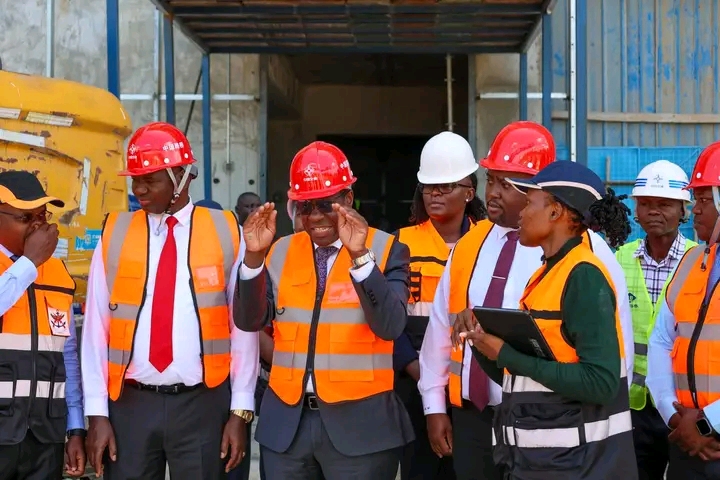
Cabinet Secretary of Energy and Petroleum Opiyo Wandayi led a delegation from the State Department for Energy on a comprehensive inspection tour of the Bomas International Convention Complex and the Raila Odinga International Stadium in Nairobi County to assess the status of energy supply to these two flagship projects being developed under President William Ruto’s Bottom Up Economic Transformation Agenda. The purpose of the visit was clear and urgent, to ensure that the energy infrastructure required to bring these major public assets into full operation is reliable, adequate and aligned with the timelines set by the government. Effective energy supply is not an add on to modern projects. It is the circulatory system that enables them to function, to serve communities and to generate economic value. When the energy ministry conducts hands on oversight of supply readiness it signals a responsible approach to implementation where the technical realities of power provision are given parity with the political and financial commitments that have backed construction. The presence of the Cabinet Secretary and his team on site is therefore a practical and necessary step toward preventing a familiar gap between completed structures and operational readiness.
By assessing substation capacity, distribution networks and backup arrangements, leadership can preempt delays that would otherwise turn finished infrastructure into dormant assets waiting for the utility connections and systems they require. This inspection also demonstrates responsiveness to a broader public expectation that projects paid for by taxpayers must be usable when declared complete. Citizens are right to demand that public investments deliver services, jobs and social benefits without prolonged waits tied to incomplete utility provision. Energy readiness is central to meeting that demand. Beyond the immediate technical issues, the ministry’s engagement underscores an important policy message about integrated project delivery. Large public projects require synchronized planning across ministries, state agencies and private contractors. The energy component must be included from the earliest stages of project design through commissioning and handover. When energy planning is delayed or treated as an afterthought, the result is avoidable cost escalation and frustrated communities. Opiyo Wandayi’s inspection reflects a recognition of this principle and a commitment to embedding energy readiness into the delivery chain for national assets.
There is also a strategic dimension to ensuring power supply for these venues. Modern convention centers and stadiums are multifunctional assets that can host conferences, cultural events, international sports, trade exhibitions and more. Their capacity to attract events and visitors depends on uninterrupted power for lighting, sound, broadcasting, hospitality and safety systems. Reliable energy therefore directly affects how these facilities contribute to local economies, how they stimulate small businesses, and how they position Kenya to host international gatherings. Prioritizing energy supply to these sites is an investment in their competitiveness and in the broader value chain that they create. The attention to energy also signals a commitment to operational resilience. Public venues must be prepared to handle peak demands and emergency scenarios. Ensuring that backup power, automated controls and responsive distribution networks are in place reduces the risk of service interruption during major events and safeguards public safety. The ministry’s role in confirming that these measures are established is a practical contribution to the long term viability of these structures as safe, dependable public spaces.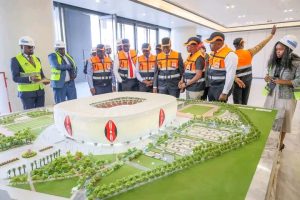
Importantly, the inspection tour aligns with the wider goals of the Bottom Up Economic Transformation Agenda, which seeks to expand infrastructure as a foundation for inclusive growth. Energy provision for national assets is not merely a technical exercise. It is an enabler of opportunity. When venues operate effectively they create direct employment, support ancillary businesses and attract investments that stimulate local economies. The government’s focus on delivery and operationalization of these projects therefore speaks to a larger commitment to ensuring that infrastructure translates into tangible benefits for ordinary citizens. The ministry’s ongoing engagement to address outstanding energy requirements highlights a practical governance approach that blends oversight with problem solving. Rather than waiting for issues to manifest as delays or public complaints, proactive assessments allow the State Department for Energy to identify bottlenecks, mobilize resources and coordinate solutions with distribution companies and contractors. This approach reduces the likelihood of reputational damage from stalled projects and ensures that public funds yield the intended public returns.
The inspection should also be viewed through the lens of accountability and transparency. High profile projects attract scrutiny and set public expectations. By publicly reporting progress and committing to continued collaboration with stakeholders, the energy ministry establishes a record of action that can be reviewed by citizens, media and oversight institutions. Transparent communication about what has been achieved and what remains to be done builds trust and helps manage expectations while maintaining pressure to finish the work on schedule. There is value in treating the energy supply challenge as an opportunity to demonstrate capacity and to refine institutional processes. Lessons learned from the Bomas and stadium projects can inform how future large scale public works are planned and implemented, particularly regarding the sequencing and integration of energy works. Institutional learning captured in better contracts, clearer timelines, and stronger technical oversight will reduce risk for subsequent projects and contribute to a more predictable environment for investors and communities alike.
 ADVERT
The ministry’s commitment to work with all stakeholders is therefore a constructive stance that emphasizes collaboration rather than blame. Coordinated action between government agencies, utility providers, contractors and local authorities is essential to resolve technical issues efficiently. This collaborative posture also facilitates the mobilisation of complementary support, whether that involves fast tracking permits, prioritizing grid upgrades, or aligning supply from independent power producers where necessary. Such cooperation accelerates delivery and ensures that infrastructure achieves its intended purposes. Finally, the significance of these investments extends beyond their immediate physical footprint. Flagship national assets carry symbolic weight as markers of progress and national ambition. Ensuring they are fully powered and operational reflects a government that is focused on results and capable of translating plans into functional public goods. In this way, the energy ministry’s active role in securing reliable supply to the Bomas International Convention Complex and the Raila Odinga International Stadium is a pragmatic expression of a broader political aim to make infrastructure a driver of inclusive economic transformation. The work ahead will require continued attention, technical rigor and coordination, but the oversight and progress already recorded are positive indicators that these facilities will serve their intended purpose and contribute to the national agenda of growth and opportunity.
James’ Kilonzo Bwire is a Media and Communication Practitioner


