 ADVERT
 ADVERT
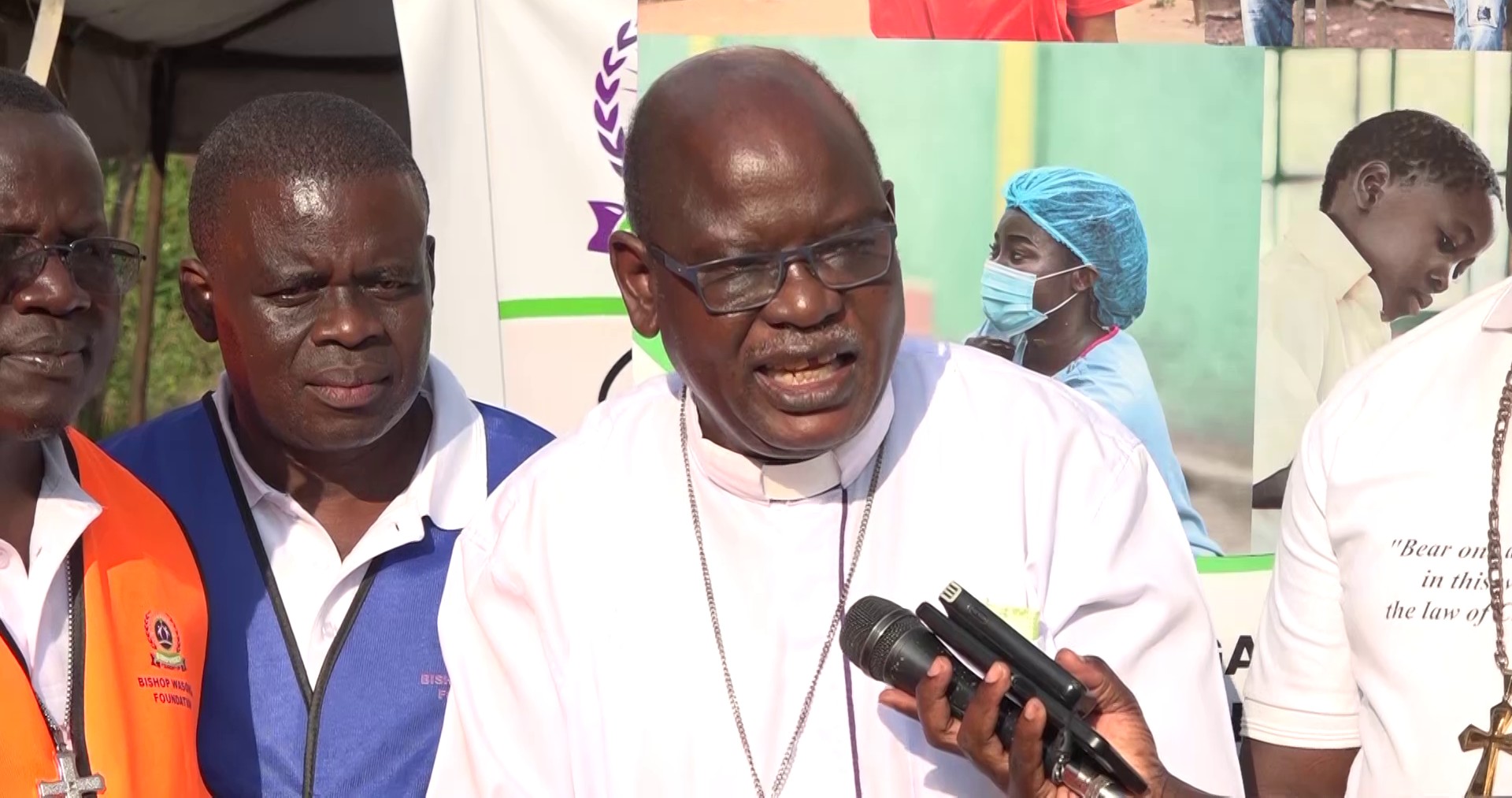
Retired Anglican Bishop Joseph Otieno Wesonga has called for dialogue between the Siaya County Government and health workers, warning that prolonged confrontation over employment grievances risks hurting the very patients the public health system is meant to serve.
Wesonga made the appeal as Kenya’s health sector continues to grapple with an industrial dispute that has disrupted services in several counties, bringing the question of workers’ welfare, collective bargaining agreements and the sustainability of devolved healthcare sharply into focus.
But in Siaya, the bishop’s intervention carries a distinctly local significance.
The county has endured a turbulent relationship with sections of its health workforce, with disputes over employment terms, recruitment, promotions, delayed payments and the absorption of Universal Health Coverage workers repeatedly coming to the fore.
The latest national strike has therefore reopened wounds that Siaya has been struggling with for some time.
 ADVERT
Wesonga’s message is essentially that confrontation cannot provide a lasting solution.
He is urging the county administration and health workers to return to the negotiating table and resolve their differences through structured engagement rather than allowing disagreements to escalate into industrial action and political confrontation.
For Siaya, that may be easier said than done.
In February 2025, health personnel working under the Universal Health Care programme marched to the county headquarters demanding that Governor James Orengo honour a commitment to absorb them on permanent and pensionable terms. The workers complained that they had remained on unfavourable contractual arrangements despite years of service.
Months later, the county was engulfed in an even bigger employment controversy after hundreds of health workers were declared “ghost workers” and their contracts terminated following a verification exercise.
The workers disputed the decision, saying many had already worked for months and were owed salaries. More than 300 affected workers, including nurses, clinicians, laboratory technologists and public health officers, subsequently took their grievances to the County Assembly.
The dispute became sufficiently serious for the Kenya National Union of Nurses to describe Siaya as a hostile environment for health workers after nurses protesting at the county headquarters were allegedly confronted by goons. The union demanded accountability and called on Governor Orengo to address the situation.
It is against this background that Wesonga’s call for dialogue assumes greater significance.
The retired bishop is not simply asking the two sides to hold another meeting. His intervention points to the need for a fundamental reset in the relationship between the county government and the professionals running its hospitals and health centres.
Siaya cannot afford another healthcare confrontation
The stakes are exceptionally high.
Siaya is one of Kenya’s counties where public healthcare remains indispensable to a large proportion of the population. Any prolonged disruption of services at county hospitals, health centres and dispensaries inevitably falls hardest on ordinary residents who cannot afford private healthcare.
The current national health workers’ strike has already demonstrated the consequences of industrial paralysis. Nurses and other healthcare professionals have demanded implementation of negotiated agreements, career progression and better employment terms, among other grievances.
In Siaya, the situation is particularly sensitive because the county has previously experienced disruptions over similar issues.
In August 2025, for example, Siaya nurses suspended a strike after the county government committed itself to addressing grievances that included delayed promotions, understaffing, statutory deductions and the failure to absorb some UHC workers on permanent and pensionable terms.
The fact that similar concerns continue to feature in health-sector disputes illustrates the central problem: agreements are only meaningful if they are implemented.
Wesonga’s message to both sides
The retired bishop’s appeal should therefore not be interpreted as taking sides with either the county government or the health workers.
Health workers have a legitimate right to demand decent working conditions, fair treatment and implementation of agreements reached with their employer.
But the county government also has a responsibility to ensure that public hospitals remain operational and that taxpayers receive value from the healthcare system they finance.
The patients, meanwhile, have little power in the dispute but bear its greatest cost.
They are the ones who queue outside hospitals when services are unavailable. They are the ones who must travel long distances when their local facility cannot provide treatment. And they are the ones who can be forced to pay for private healthcare when public services grind to a halt.
That is why dialogue is not a favour to either side.
It is a responsibility to the patient.
Orengo faces a delicate balancing act
For Governor Orengo, the challenge is to demonstrate that his administration can protect workers’ rights while maintaining discipline, accountability and fiscal responsibility within the county workforce.
The health-worker disputes have already exposed difficult questions about recruitment and personnel management in Siaya.
The controversy surrounding the dismissal of hundreds of workers demonstrated just how explosive employment decisions can become when they intersect with politics, livelihoods and public service delivery. Orengo subsequently urged the County Assembly to expedite its investigation into the dismissals, saying his administration would not interfere with the inquiry.
At the same time, the county has continued to invest in healthcare infrastructure and services. The administration has publicly highlighted improvements in facilities and maternal and neonatal care while promising further recruitment and expansion of healthcare capacity.
That creates an important contradiction that cannot be ignored.
A county cannot build modern hospitals while allowing disputes with the people who staff those hospitals to remain unresolved.
Infrastructure without doctors, nurses, clinical officers, laboratory technologists and other professionals is little more than an empty shell.
The bishop’s intervention comes at the right time
Wesonga’s call could therefore provide an opportunity for Siaya to move away from the cycle of accusation, demonstrations, strikes, negotiations and temporary settlements.
The county government and health unions should consider establishing a structured framework through which outstanding grievances can be listed, prioritized and assigned clear timelines for resolution.
Issues that require national intervention should be escalated to Nairobi. Matters falling squarely within county responsibility should be addressed locally.
Most importantly, agreements reached should be accompanied by clear implementation schedules so that the same disputes do not return months later.
Siaya does not need another war of words between government officials and health workers.
It needs a settlement.
Retired Bishop Joseph Otieno Wesonga has offered a simple prescription: sit down, talk and find common ground.
For a county whose residents depend heavily on public healthcare, that may be the most sensible advice on the table.
The ultimate test should not be who wins the argument between the county government and its health workers.
The real test is whether the patient in a Siaya hospital gets treated when they need care.



