 ADVERT
 ADVERT
A State Mausoleum for a Democratic Icon.
The commissioning of the Raila Amolo Odinga Mausoleum at Kang’o Ka Jaramogi in Bondo is more than a ceremonial handover of a burial site; it is a deliberate act of national recognition that places Raila’s life and work within the continuum of Kenya’s democratic history. By presiding over the dedication with full military honours and handing the site to the National Museums of Kenya, the State has affirmed that Raila’s contribution to the country’s political evolution, constitutional transformation, and Pan-African vision is not only a family or regional matter but a matter of national heritage. This opinion piece advances the view that the mausoleum, as a state-managed monument, must function as a living repository of memory and history, one that preserves the story of a life that shaped Kenya’s democratic journey while guiding future generations on the responsibilities that come with that legacy.
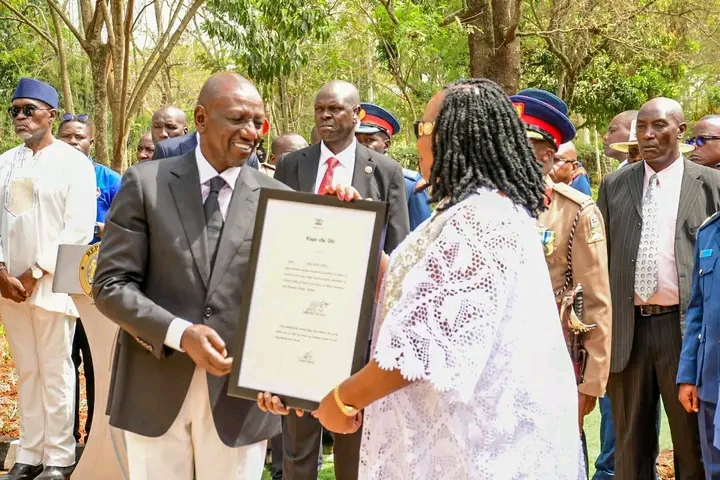
The presence of President William Ruto, Cabinet Secretary for Energy and Petroleum Opiyo Wandayi, Mama Ida Odinga, the Odinga family, and ODM supporters at the dedication underscores the breadth of recognition being extended to Raila. A state dedication carried out with military honours signals that the country, through its highest office, acknowledges Raila as a leader whose struggles and achievements belong to the Republic. The reading of a presidential citation during the ceremony, which described Raila as a leader of uncommon courage and the father and guardian of Kenya’s democracy, further cements this position. Such language is not merely ceremonial; it frames Raila’s legacy in terms that connect his personal journey to the broader narrative of Kenya’s political development.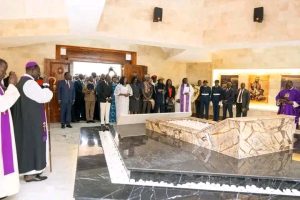
By commissioning the mausoleum under the Public Seal of the Republic, the State has effectively elevated the site from a private family burial ground to a protected national heritage location. This is significant because it changes the nature of stewardship. The site is no longer solely the responsibility of the family or the local community; it becomes a national responsibility, managed by an institution mandated to preserve, document, and interpret heritage for the public good. The timing of the event, within the period designated as #MweziwaBaba and just before the first anniversary of Raila’s passing on 15 October 2025, adds another layer of meaning. It situates the dedication within a structured period of national remembrance, reinforcing the idea that Raila’s memory is being honoured in a manner that is both dignified and institutionally grounded.
The mausoleum’s purpose, as articulated in the statement from the Energy Cabinet Secretary and reflected in the broader ceremony, is not limited to serving as a resting place. It is intended to function as a repository of memory, history, and the story of a life that shaped Kenya’s democratic journey, constitutional transformation, and Pan-African ideals. This framing is important because it sets expectations for how the site should be managed and experienced. A repository of memory implies that the mausoleum will hold more than physical remains; it will hold narratives, documents, and interpretations that help visitors understand who Raila was, what he stood for, and why his life matters to Kenya and to Africa.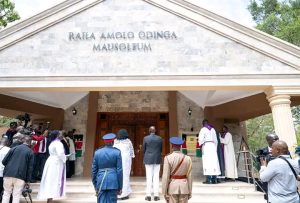
The involvement of the National Museums of Kenya is central to this vision. The institution’s mandate includes the protection and interpretation of national heritage, and its stewardship of the mausoleum places a lasting responsibility on the country to preserve and document Raila’s legacy in a manner that is accessible and meaningful to future generations. Public access to the site, scheduled to begin on 8 October 2026, and the planned formal memorial service on 15 October, the anniversary of Raila’s death, indicate that the mausoleum is being positioned as a place of public engagement, not just private mourning. This aligns with the idea that Raila’s legacy belongs to his family, to Nyanza, and ultimately to Kenya, and that the nation has a duty to ensure that his story is told with accuracy, depth, and respect.
 ADVERT
Raila’s life intersected with some of the most critical moments in Kenya’s modern political history. His role in the struggle for multi-party democracy, his leadership in the movement for a new constitution, and his advocacy for regional integration and Pan-African solidarity are well documented. The mausoleum, as a national monument, provides an opportunity to anchor these themes in a permanent physical and institutional setting. It allows the State to affirm that the democratic gains Kenya enjoys today were not achieved in isolation but through the efforts of leaders like Raila, who endured personal risk and political marginalisation in pursuit of a more open and accountable system of governance.
The constitutional transformation theme is particularly significant. Raila’s involvement in the long process that led to the 2010 Constitution positioned him as a central figure in the redefinition of Kenya’s political order. The mausoleum can serve as a space where this contribution is highlighted, not as a partisan achievement but as a national milestone that reshaped the relationship between the State and its citizens. Similarly, Raila’s Pan-African ideals, which connected his domestic struggles to broader continental aspirations for unity, justice, and self-determination, can be presented as part of his enduring legacy. By embedding these themes in the narrative of the mausoleum, the State ensures that Raila’s life is understood not only in terms of what he did but in terms of the values he championed and the vision he pursued.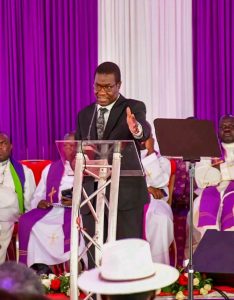
The transition of the mausoleum into the stewardship of the National Museums of Kenya places a lasting responsibility on the nation to preserve, document, and interpret this heritage for generations to come. This responsibility extends beyond the physical maintenance of the site. It includes the collection and curation of materials that tell Raila’s story, the development of educational programmes that connect his life to Kenya’s democratic history, and the creation of interpretive frameworks that help visitors understand the significance of the mausoleum within the larger context of national heritage. The State, through the National Museums, must ensure that the site is managed in a way that honours Raila’s legacy while remaining accessible and relevant to the public.
Public access to the mausoleum, beginning on 8 October 2026, marks the start of this public responsibility. Visitors will come not only to pay their respects but to engage with the history and meaning of the site. The formal memorial service planned for 15 October will further reinforce the mausoleum’s role as a place of national remembrance. The presence of leaders from different regions and political backgrounds at the dedication ceremony, including Siaya Governor James Orengo and other national figures, signals that the mausoleum is being embraced as a unifying symbol, one that transcends regional and partisan divides. This unity of purpose is essential if the mausoleum is to fulfil its intended role as a repository of memory and a guide for future generations.
The dedication of the Raila Amolo Odinga Mausoleum is an act of honouring a legacy with dignity, unity, and gratitude. It acknowledges that Raila’s contributions to Kenya’s democratic journey, constitutional transformation, and Pan-African ideals are part of the nation’s collective heritage. It also recognises that the preservation of this heritage is a shared responsibility, one that requires the cooperation of the family, the community, and the State. The mausoleum, as a state-managed monument, provides a permanent space where this legacy can be preserved and interpreted, ensuring that Raila’s life continues to inspire and inform the country’s political and civic development.
The language used during the ceremony, including the presidential citation and the statements from attending leaders, reflects a commitment to this vision. It frames Raila’s legacy in terms that are both personal and national, acknowledging his role as a father and guardian of Kenya’s democracy while also recognising his place within the broader story of the Republic. This dual framing is important because it allows the mausoleum to serve both as a place of personal remembrance for the family and as a national monument for the country. It ensures that Raila’s legacy is honoured not only for what it means to his immediate circle but for what it represents for Kenya as a whole.
The commissioning of the mausoleum is not an endpoint but a beginning. It marks the start of a long-term process of preservation, documentation, and interpretation that will require sustained commitment from the State, the National Museums of Kenya, and the public. The success of this process will depend on the ability of all stakeholders to work together to ensure that the mausoleum fulfils its intended role as a repository of memory and history. It will also depend on the willingness of the public to engage with the site not only as a place of mourning but as a space of learning and reflection.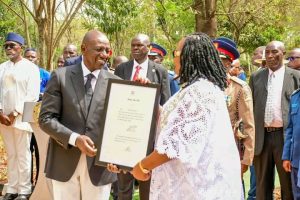
The dedication ceremony, with its emphasis on dignity, unity, and gratitude, provides a strong foundation for this work. It establishes the mausoleum as a national monument that honours Raila’s legacy in a manner that is both respectful and forward-looking. It also sets a precedent for how Kenya can honour its democratic icons, not through partisan rhetoric but through institutional mechanisms that preserve their contributions for future generations. As the country moves forward, the mausoleum will stand as a testament to Raila’s life and work, a reminder of the struggles that shaped Kenya’s democratic journey, and a guide for those who will continue to build on the foundations he helped to lay.
Photo courtesy: James Wandayi Communication unit


