 ADVERT
 ADVERT
Kenya’s sugar industry is at a defining moment. The Sugar Act No. 11 of 2024 has ushered in sweeping reforms by reinstating the Kenya Sugar Board (KSB) and introducing the Sugar Development Levy (SDL), a 4% charge on both domestic sugar value and the CIF value of imported sugar. This levy finances the Sugar Development Fund (SDF), a mechanism designed to breathe new life into an industry long beset by inefficiencies, unfair import competition, and declining farmer welfare. While these reforms are ambitious and necessary, their success will depend not only on sound policy but on genuine public engagement, transparent governance, and effective execution.
The Kenya Sugar Board, under the leadership of Chairman Engineer Gumbo Nicholas, has been vocal about the transformative potential of these reforms. Engineer Gumbo emphasizes that the levy and the fund are not mere bureaucratic instruments but critical tools to modernize factories, boost cane productivity, and empower farmers. Speaking on the importance of stakeholder involvement, he insists that “the future of Kenya’s sugar industry hinges on inclusivity and accountability. The reforms must translate into real benefits for the farmers who are the backbone of this sector.” His leadership reflects a commitment to balancing industry revival with the voices of those most affected.
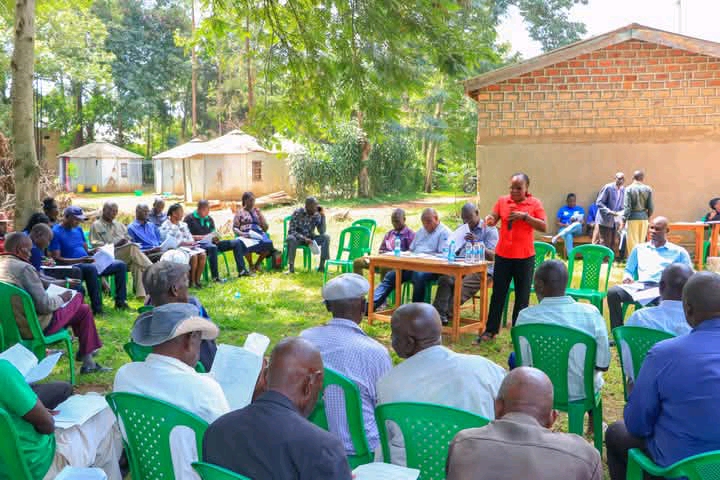
Public participation exercises conducted across sugarcane-growing regions, including a notable forum in Busia County led by the Sugar Development Fund Director Azenath Makori and Ministry of Agriculture’s Timothy Ogwang, have sought to democratize the policy formulation process. These consultations provide stakeholders with opportunities to scrutinize the draft SDF Policy and Operational Manual, as well as the International Sugar Organization (ISO) Agreement. The draft policy outlines a thoughtful allocation of the fund’s resources: 40% targeting cane productivity, 15% each for factory modernization and research, 15% for infrastructure, 10% for KSB administration, and 5% for farmer organizations. This distribution aims to address the sector’s multifaceted challenges comprehensively.
Yet, there is a delicate balance to maintain. While ongoing consultations are essential, there is a risk of “participation fatigue” if stakeholders perceive their input as tokenistic or if feedback fails to shape tangible outcomes. The KSB must therefore ensure that these engagements are meaningful and that the voices of marginalized smallholder farmers are amplified—not just heard.
The economic implications of the SDL, which was implemented in February 2025, are already evident. After a period marked by declining sugar prices—where the average price fell to Sh159.69 per kilogram in December 2024, a 25.4% drop year-on-year—the levy has contributed to reversing this trend. However, this comes with increased costs for consumers and industry players alike. Millers and importers are mandated to remit the levy monthly to the KSB, creating a steady revenue stream for the SDF. The challenge lies in ensuring that these funds are managed efficiently, with clear operational guidelines that prevent bureaucratic delays and corruption.
 ADVERT
Without complementary measures to reduce production costs and enhance competitiveness, the levy risks becoming a subsidy for inefficiency rather than a catalyst for transformation. Engineer Gumbo has repeatedly stressed the need for a holistic approach, including enforcing the Sugar (Imports and Exports) Regulations 2025 to protect local producers from dumping and unfair trade practices that have historically crippled the industry.
Transparency must be at the heart of these reforms. Publishing real-time data on levy collection and utilization will build public trust and empower stakeholders to hold institutions accountable. Moreover, prioritizing investments that directly benefit smallholder farmers will be crucial in reversing decades of neglect and marginalization.
Kenya’s sugar reforms are more than just legislative changes; they represent a critical reset for an industry vital to the country’s agricultural economy and rural livelihoods. The true measure of success will not be the size of the fund or the existence of new policies but whether these reforms tangibly improve farmers’ incomes, stabilize sugar prices, and foster a sustainable, competitive industry. The leadership of Engineer Gumbo Nicholas and the Kenya Sugar Board’s commitment to inclusivity and transparency offer hope, but the journey ahead demands persistent vigilance and collective effort.
In the end, the sugar sector’s renaissance will be a testament to Kenya’s ability to marry policy innovation with grassroots empowerment—a model for agricultural reform across the continent. The question remains: will the reforms deliver on their promise, or will they become another missed opportunity in Kenya’s long quest for sugar industry revival? The answer lies in the hands of policymakers, industry players, and most importantly, the farmers themselves.


