 ADVERT
 ADVERT
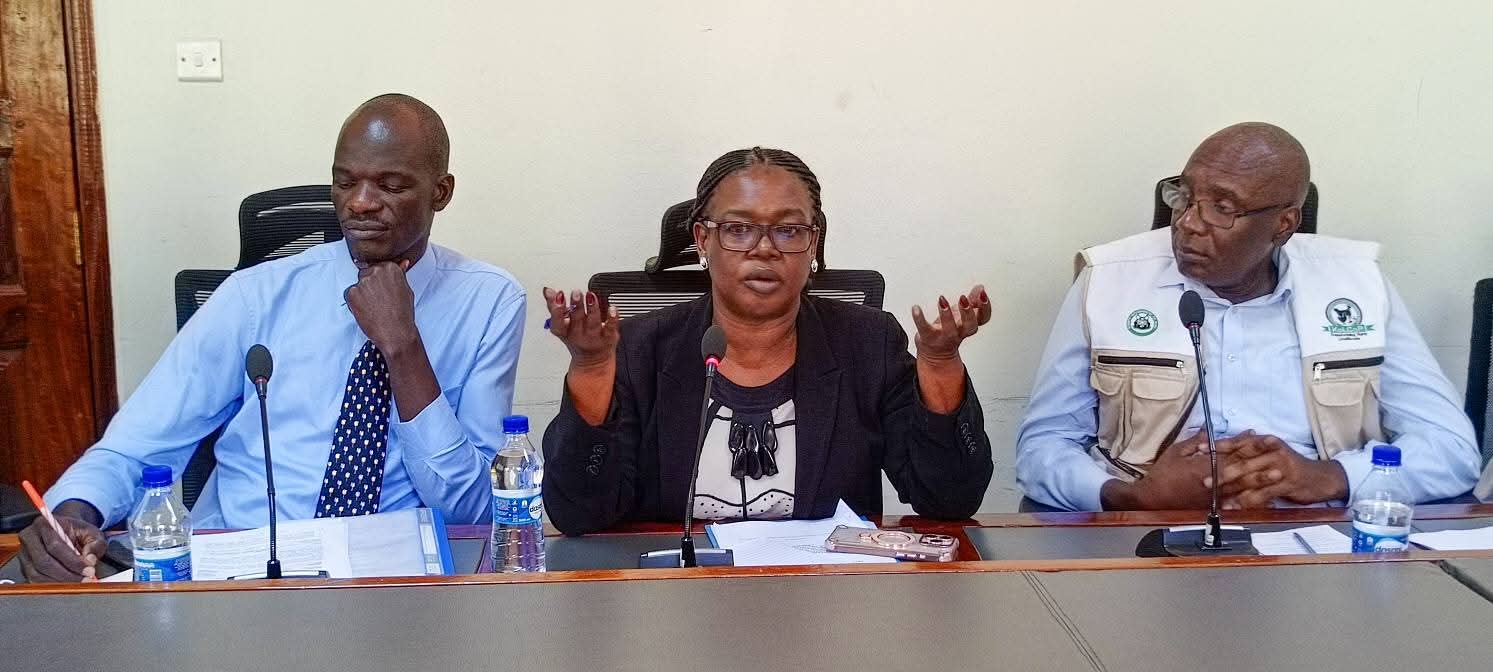
Siaya County’s Acting County Secretary, Elizabeth Adongo, has made a decisive and high-impact entry into office, moving swiftly to tackle the county’s persistent salary delays. In what is being seen as her first major administrative action, Adongo has ordered the immediate onboarding of staff onto the Integrated Financial Management Information System (IFMIS), a step aimed at resolving the ongoing payroll impasse.
The directive, communicated through an internal memo addressed to departmental heads and senior county officials, underscores the urgency of restoring efficiency, transparency, and accountability in the county’s human resource and payroll processes.
For months, sections of Siaya County staff have faced salary delays largely attributed to inconsistencies in personnel records and the lack of proper integration into national government systems. The transition to digital platforms—particularly IFMIS and the Human Resource Information System (HRIS)—has been a key requirement by the National Treasury and the Ministry of Public Service.
Adongo’s memo highlights that hundreds of employees are yet to be assigned Unique Personal Numbers (UPNs), a critical requirement for payroll processing under the national system. Without UPNs and proper onboarding into IFMIS, affected staff have effectively remained locked out of the salary payment framework.
The Directive: Immediate Action Required
 ADVERT
In her communication, Adongo directs all Chief Officers, County Executive Committee Members, and Municipal Managers to ensure compliance without delay. Departments have been instructed to facilitate the submission and processing of required documentation for staff onboarding.
The memo outlines specific requirements, including identification documents, KRA PIN certificates, birth certificates, passport-sized photographs, and verified contact details. It also emphasizes that all documents must be scanned in clear, searchable PDF formats, with identity documents submitted in colour to meet system standards.
Critically, Adongo warns that incomplete or inconsistent documentation will slow down the process, potentially requiring affidavits to resolve discrepancies.
To fast-track the exercise, the Acting County Secretary has set a firm deadline of June 15, 2026, signaling the administration’s intent to resolve the matter within a tight timeline. A dedicated help desk and WhatsApp support platform have also been established to assist staff through the onboarding process.
Observers view Adongo’s move as a defining early test of her leadership—one that could restore confidence among county workers if successfully implemented. By prioritizing payroll stability, she is addressing one of the most sensitive and politically charged issues within county administration.
If executed effectively, the onboarding exercise is expected to not only resolve current salary delays but also align Siaya County with national standards in public financial management.
For now, all eyes are on how swiftly departments will respond—and whether this bold directive will finally bring an end to the salary woes that have plagued county staff.



