 ADVERT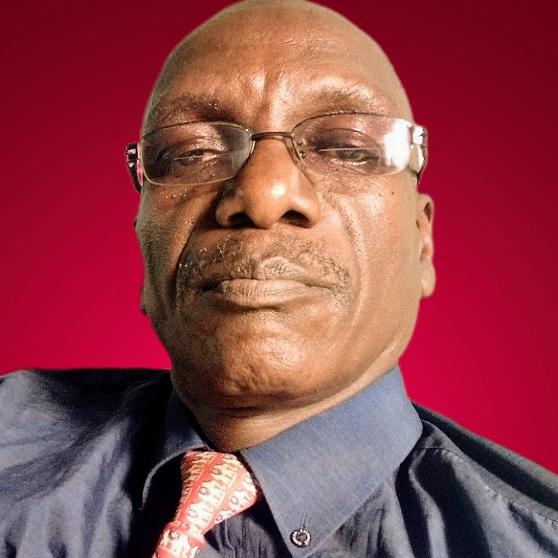

 ADVERT
The Archbishop of the African Israel Nineveh Church, John Mweresa, is staring at possible jail time after the Hamisi Law Court found him guilty of fraudulently acquiring church land in Jebrok, Vihiga County.
Delivering the long-awaited verdict, Resident Magistrate Nicodemus Moseti ruled that the prosecution had presented sufficient evidence to prove the case against the embattled church leader, ending a 15-year legal battle that has rocked one of the region’s most prominent religious institutions.
Mweresa, who has led the church through years of internal wrangles, will be sentenced on November 10. Until then, the court has ordered that he remain in custody, rejecting his defence team’s plea for bond.
“I have already convicted the accused. I wish to point out that the law applies uniformly and therefore I decline to grant the accused moniferencial treatment,” Magistrate Moseti stated in his ruling. “Accordingly, I hereby order that the accused’s bond be cancelled. He shall be remanded in custody forthwith. I order a pre-sentence report mention for sentencing on the 10th day of November.”
The dispute over the church’s land has been a source of turmoil and bloodshed, with reports indicating that at least five people were killed in violent clashes between rival factions of the church during the height of the conflict.
 ADVERT
The African Israel Nineveh Church, once a beacon of faith and unity in western Kenya, was shut down following the leadership dispute, leaving thousands of followers in confusion and despair.
The court’s ruling now marks a turning point in the protracted saga, with many in the local community hoping it will finally bring closure and pave the way for reconciliation among the church’s faithful.
Mweresa’s conviction has sparked mixed reactions—while some church members view it as justice long overdue, others see it as a devastating blow to the church’s spiritual leadership.
All eyes now turn to November 10, when the court will pronounce the sentence that could redefine the future of one of Kenya’s most storied indigenous churches.


