 ADVERT

 ADVERT
The story of Rodi Kopany, nestled strategically along the vital Homa Bay–Rongo road in Homa Bay County, is a tale of resilience and untapped potential. For decades, this locality has served as a commercial lifeline for farmers, fish vendors, and small-scale entrepreneurs from the surrounding villages. The market that pulses at its heart is a vital artery through which goods, livelihoods, and dreams flow.
Yet, for all its vibrancy, this trading center has long existed under the harsh realities of inadequate infrastructure. Many traders operate in the open, vulnerable to the merciless sun and sudden rains, or under frail wooden and iron-sheet shelters that do little to protect their merchandise or customers. This lack of proper trading facilities has stifled growth, limited opportunities, and reduced the dignity of countless hardworking Kenyans whose survival depends on this market.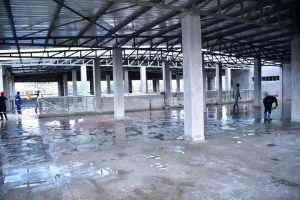
Today, as we witness the rapid completion of the Rodi Kopany Economic Stimulus Programme (ESP) Market, we stand on the cusp of a transformative moment. The project, which began in July 2024 and has now reached 76% completion, promises to rewrite the economic narrative of the area. This is not merely the construction of a structure but the creation of a symbol—a beacon of hope, modernization, and inclusive growth that all who depend on this market can rally around.
Designed to house 204 traders in a clean, orderly, and secure environment, the new market is a godsend for the community. The transition from open-air stalls to a modern facility means that traders will no longer battle the elements but can focus entirely on growing their businesses. The enhanced infrastructure ensures protection for their products, which in turn guarantees better quality and customer confidence. This shift alone will elevate the prospects of traders and improve the broader local economy.
But the Rodi Kopany Market goes far beyond basic shelter. This is a visionary undertaking infusing modernity into traditional trade. The inclusion of an ICT hub within the market premises is a game-changer. For far too long, rural traders have been cut off from digital technology, denying them the tools to expand their reach beyond physical borders. Access to information technology will enable these entrepreneurs to connect with wider markets, embrace e-commerce, access price information, and engage with financial services—paving the way for sustainable business growth. This digital inclusiveness has the potential to democratize economic opportunities for marginalized and remote communities.
 ADVERT
Furthermore, the market incorporates facilities such as a kitchen, food court, social hall, cold room, dry store, and a mother’s room—each thoughtfully included to cater to the holistic needs of the traders and their customers. The social hall, for instance, can serve as a venue for business meetings, trainings, and social gatherings, fostering community cohesion and capacity-building. The mother’s room acknowledges the role of women not only as traders but as caregivers, creating space for them to balance work with family life without compromise.
One of the most important additions is the installation-ready fish kilns and cold storage units. The fish trade is the backbone of many livelihoods in the region, and these facilities will add tremendous value by enhancing fish processing and preservation methods. By enabling traders to smoke and store fish properly, waste will decrease, quality will improve, and market prices will rise, empowering local fish vendors and processors to scale their businesses and compete more effectively. This will stimulate the entire fish value chain, enriching both producers and consumers.
The broader economic effects of the project cannot be underestimated. Already, the construction has created direct employment for over 20 people—a significant boost in a community where job opportunities are scarce. The ripple effect extends to many others involved in supplying building materials, food, transportation, and related services. This demonstrates how well-invested public funds can trigger pervasive economic activity and raise incomes across the social spectrum.
However, the true success of the Rodi Kopany market will depend on more than bricks and mortar. It requires careful management to ensure the facility remains affordable, well-maintained, and secure for all users. The challenge ahead also includes embedding capacity-building programs that equip traders with essential business, digital, and fish processing skills, ensuring that infrastructure is matched by knowledge and innovation.
Inclusivity must remain a guiding principle, ensuring that youth, women, and vulnerable traders benefit equitably. Empowering these groups is not simply social responsibility but a strategic imperative to build a vibrant and dynamic marketplace capable of sustained growth. The mother’s room is a strong step, but more must be done to create an enabling environment for all.
Ultimately, the Rodi Kopany ESP Market embodies the promise that government-led, community-focused development can uplift rural economies and restore dignity to informal traders. It is an investment in people, livelihoods, and future prosperity. As this market nears completion, it stands as a powerful reminder that when vision meets commitment and community needs shape action, transformation unfolds— inspiring hope for a brighter and more inclusive economic future in Homa Bay County and beyond.
James’ Kilonzo Bwire is a Media and Communication Practitioner.


