 ADVERT

 ADVERT
In a high-profile day of state pomp and political friction, President William Samoei Ruto presided over Jamhuri Day ceremonies and later hosted the 12th National and County Governments Coordinating Summit at State House, Nairobi — a meeting some senior leaders reportedly snubbed.
The day began with the Head of State conferring national honours in a special Government Gazette notice — a ceremony that recognised 881 Kenyans for service to country across public service, security, leadership and civic action. Top names named among the honourees include Attorney-General Dorcas Oduor, Kristina Pratt, Narok Governor Patrick Ntutu, IEBC CEO Marjan Hussein and senior Kenya Defence Forces commanders. The full roll-call of recipients appears in the Government Gazette special notice.
Hours later Ruto chaired a consultative meeting with governors to review progress on devolved functions and agree steps to speed delivery of county services — including a directive to fast-track county salary disbursements and to accelerate clarification of contested functions between national and county governments. The session was billed as a key moment to reset inter-governmental cooperation ahead of the 2026–27 financial year.
Several media outlets and social posts reported what they described as a “snub” by senior opposition figures to State House engagements, a development commentators say exposes fault-lines inside the Orange Democratic Movement and between some county chiefs and the presidency. National newspapers flagged the broader boycott by some ODM officials of a related State House engagement earlier this week, which observers read as a sign of growing mistrust even as the government pledges deeper collaboration with counties.
Locally sourced reports and social media chatter singled out the Nyanza leadership: Migori Governor Ochilo Ayacko, Siaya Governor James Orengo and Homa Bay Governor Gladys Wanga — three prominent Nyanza governors who, according to on-the-ground posts, did not appear at the governors’ gathering in Nairobi. Those accounts, amplified across WhatsApp and Facebook pages, portrayed the absences as a deliberate political statement rooted in unease over party strategy and the shape of the so-called broad-based national collaboration. (Establishments covering State House confirmed a number of senior ODM figures declined attendance; however, official State House briefings listed attendees for the coordinating summit.)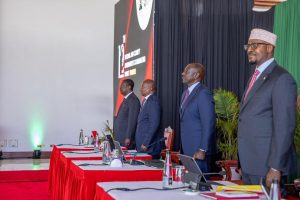
 ADVERT
The snub matters for three reasons. First, it signals internal tensions within ODM and between county executives who are balancing local interests with national political calculus. Second, it complicates the presidency’s push to show unity around accelerated devolution reforms — notably the plan to identify, unbundle and transfer contested functions valued in the hundreds of billions of shillings. Third, it raises stakes ahead of 2027 as Kenya’s political actors juggle service delivery promises with fast-moving party realignments.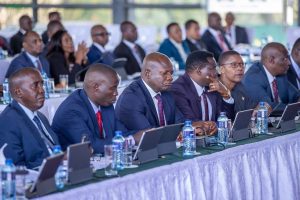
The Jamhuri Day honours — unusually large this year at 881 recipients — and the summit that followed underlined two simultaneous messages from State House: a celebration of national service and an attempt to project institutional harmony. Yet, the reported absences of high-profile regional governors served as a reminder that ceremonial unity does not always translate into political alignment on the ground.
— Will the named governors publicly explain their absence or rejoin State House engagements in coming days?
— How will the Intergovernmental Relations Technical Committee (IGRTC) and the Commission on Revenue Allocation act on the summit’s deadlines?
— Will the Government Gazette list and State House communiqués become focal points in debates over appointments and devolution funds?
The full list of honourees is published in the Government Gazette special notice for Jamhuri Day, and official readouts of the 12th National and County Governments Coordinating Summit are available from State House and mainstream outlets.



