 ADVERT
 ADVERT
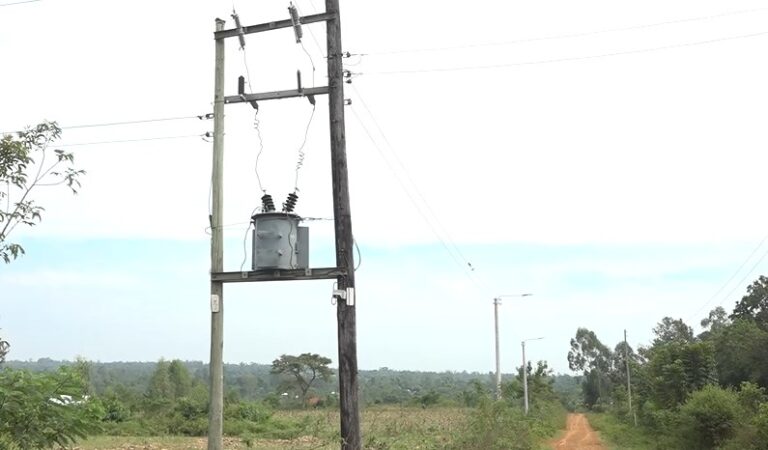
The announcement of the KSh2.2 billion power expansion project in Siaya should prompt more than cautious optimism. It should renew a firm commitment to inclusive development that responds to the real needs of the people. Energy access is an important foundation for social and economic development because it supports education, healthcare, business, communication, agriculture and many other aspects of daily life. However, the availability of funding and the completion of physical infrastructure do not automatically guarantee equitable development. The project must therefore be planned and implemented in a manner that prioritizes reliability, affordability, accessibility and long term benefits for the people of Siaya.
At the heart of the power expansion is the need to move beyond electrification as a public announcement and make it a dependable public service. Connecting homes and institutions to electricity is important, but the quality and reliability of the service are equally significant. Frequent power interruptions, inadequate maintenance and high costs can undermine the value of electricity access. The success of the project should therefore not only be measured by the infrastructure installed but also by whether residents and businesses can depend on the electricity provided. Proper maintenance planning, technical capacity and effective systems for addressing faults will be necessary to ensure that the investment continues to serve communities after completion.
The question of who benefits from improved electricity access is equally important. Development should not be concentrated in areas that are already relatively well served while rural and less visible communities continue to face inadequate infrastructure. Siaya has a diverse population spread across urban centres, trading centres and rural settlements, and the power expansion should respond to this diversity. Schools, health facilities, small businesses, agricultural activities and other community institutions should be considered important beneficiaries because reliable electricity can improve the quality of services they provide and strengthen local economic activity.
Community participation should also form an important part of the project. Residents understand the challenges affecting their communities and can provide valuable information about areas that require attention. Their involvement should not begin and end with public announcements or formal consultations. Communities should have opportunities to participate in planning, provide information about local needs and report problems affecting electricity services. Meaningful participation can strengthen public confidence and ensure that the project responds to actual needs rather than assumptions made from distant offices.
Local capacity should be another priority. Infrastructure projects are more sustainable when communities have access to people with the technical knowledge required to maintain and repair the systems serving them. Training local electricians, engineers and other technical personnel would create employment opportunities while also strengthening the ability of communities to respond to technical challenges. Local skills development should therefore be viewed as part of the wider benefit of the investment rather than as an issue separate from the construction of power infrastructure.
 ADVERT
Affordability must also remain central to the discussion. Expanding electricity access is meaningful only when households and businesses can reasonably afford to use the service. The cost of electricity can affect household budgets and the ability of small enterprises to operate effectively. As the project progresses, policymakers and relevant institutions should consider how improved access can be accompanied by fair and predictable costs. Vulnerable households should not be placed in a position where access exists but regular use becomes difficult because of financial pressure.
At the same time, electricity should be connected to opportunities for economic advancement. Access to reliable power can support small enterprises, agricultural processing, refrigeration, digital services, workshops and other income generating activities. The broader objective should therefore be to create conditions in which communities can use electricity productively. Energy access should not be treated simply as the provision of a household service. It should also be understood as an opportunity to strengthen local economies and encourage enterprise development.
The relationship between electricity and public services deserves particular attention. Health facilities require reliable power to operate effectively, particularly where services depend on lighting, refrigeration, medical equipment and communication systems. Schools also require electricity to support learning, digital access and the use of modern educational resources. Public offices and community institutions can similarly benefit from reliable power. The expansion should therefore be coordinated with wider development priorities so that investment in energy contributes directly to improvements in essential services.
Transparency will be critical throughout the implementation process. A major infrastructure project requires strong public oversight to ensure that resources are used responsibly and that the intended objectives are achieved. Residents have a legitimate interest in understanding how the project is being implemented, which areas are being covered and whether contractors and institutions responsible for delivery are meeting their obligations. Regular communication, transparent procurement and clear accountability mechanisms can help protect the project from mismanagement and strengthen public trust.
Political leadership also has an important responsibility in ensuring that the project remains focused on public interest. Infrastructure development should not become an opportunity for political competition at the expense of effective implementation. Leaders at both national and county levels should work together to support proper planning, coordination and accountability. The real measure of leadership should be whether the project continues to benefit residents over time rather than the attention it receives during its launch or implementation.
The role of private sector participation should also be approached carefully. Private companies can provide technical expertise and contribute to the delivery of infrastructure, but their involvement should operate within clear standards that protect public interests. Contracts should establish clear responsibilities, quality requirements and mechanisms for addressing failure to deliver. Local employment and skills transfer should also be encouraged so that communities gain benefits beyond the physical infrastructure itself.
Environmental sustainability should not be ignored as the power network expands. Infrastructure development must be undertaken responsibly and with consideration for the environment and the long term needs of the communities involved. Proper planning, appropriate equipment and efficient use of energy can contribute to a system that remains useful as demand changes. The project should also allow room for future improvements so that the infrastructure can respond to changing economic and social needs.
The media and civil society have an important role in maintaining public attention on the implementation of the project. Independent reporting and community monitoring can help ensure that commitments made during planning are followed through during implementation. The public should have access to information about progress, challenges and expected outcomes. When residents, journalists and civil society organizations remain engaged, there is greater opportunity to identify problems early and demand corrective action.
The power expansion therefore represents more than an infrastructure initiative. It presents an opportunity for Siaya to strengthen the relationship between energy access and inclusive development. For that opportunity to be realized, attention must remain focused on reliability, affordability, equitable access, local capacity, transparency, accountability and sustainability. These principles should guide the project from planning through implementation and maintenance.
Siaya deserves an electricity system that contributes meaningfully to the social and economic wellbeing of its people. The expansion should support households, businesses, schools, health facilities, farmers and other institutions that form the foundation of the county’s development. Its success should ultimately be judged by the improvements residents experience in their daily lives and by the opportunities that reliable electricity creates for communities.
The responsibility for achieving this outcome does not belong to one institution alone. National and county governments, implementing agencies, private contractors, community organizations, local leaders, civil society and residents all have roles to play. Effective cooperation, public accountability and sustained attention to community needs will determine whether the investment delivers lasting value.
The KSh2.2 billion power expansion project gives Siaya an important opportunity to address energy challenges while supporting broader development. It should therefore be approached with seriousness, transparency and a clear understanding of the needs of the people. The objective should not simply be to expand the electricity network but to create a reliable and accessible energy system that supports better services, stronger local economies and greater opportunities for residents. If implemented with integrity and proper public oversight, the project can make a meaningful contribution to inclusive progress in Siaya and provide a stronger foundation for the county’s future development.
James Kilonzo Bwire is a Media and Communication Practitioner


