 ADVERT
 ADVERT
Siaya residents have been urged to embrace Kenya’s proposed Sh500 billion nuclear power project, with leaders and energy officials arguing that the ambitious investment could transform the county’s economy while helping secure the country’s long-term electricity needs.
The proposed nuclear plant, planned for the Lenya area of Bondo Sub-County, has emerged as one of the most consequential development projects ever contemplated for Siaya. Its supporters see it as a potential catalyst for jobs, infrastructure, investment and industrial growth, while opponents remain concerned about land acquisition, compensation, environmental risks and the adequacy of public participation.
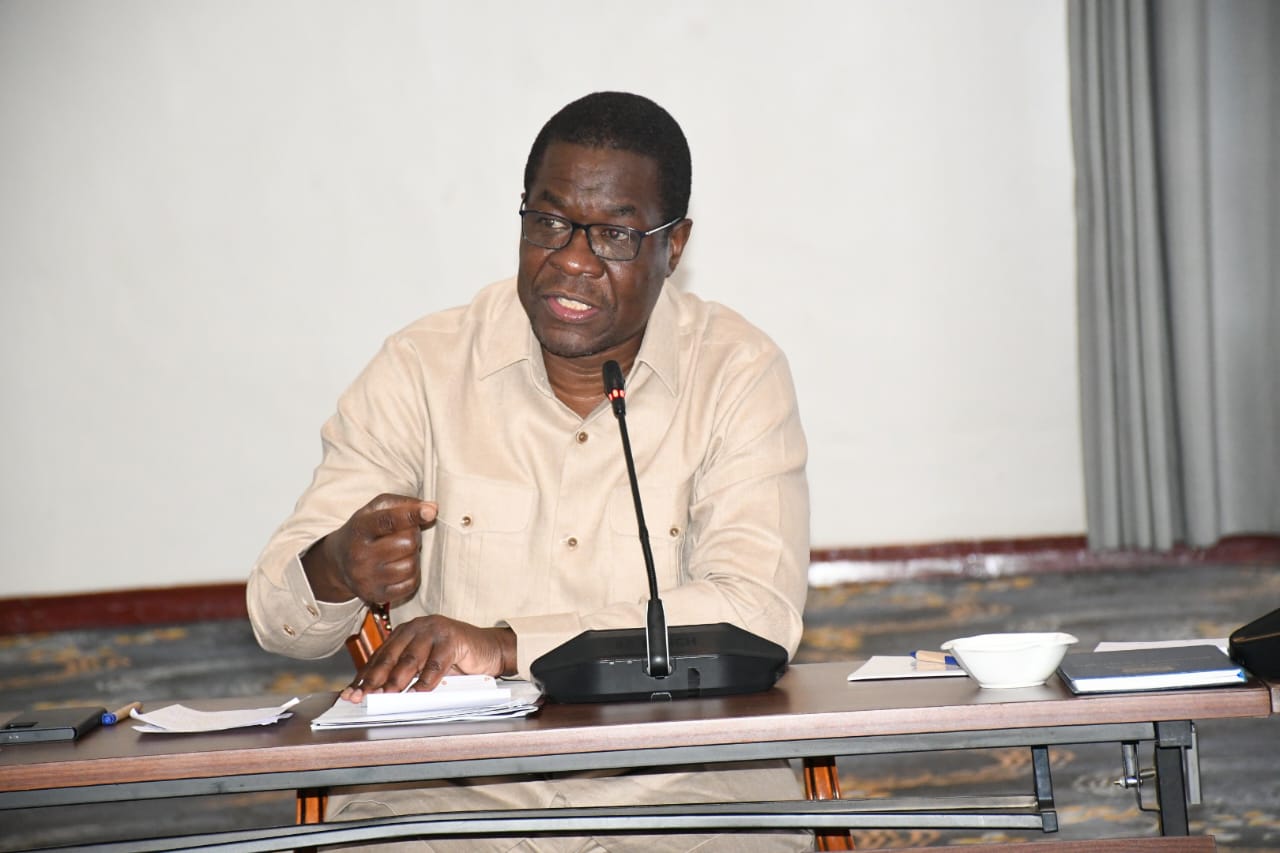
The renewed push for community support comes as the government accelerates preparations for Kenya’s first nuclear power plant. Energy Cabinet Secretary Opiyo Wandayi has called on residents across Siaya to take ownership of the project, arguing that the county stands to benefit substantially from hosting such a major national investment.
Wandayi has described the decision to locate the proposed Sh500 billion facility in Siaya as a major opportunity for the region, urging residents from Bondo, Yimbo and Rarieda to support what he says could become a transformative economic project.
The proposed facility is expected to form part of Kenya’s strategy to diversify its energy mix and provide a reliable source of baseload electricity capable of supporting industrialisation and rising national demand. Earlier plans indicated that the first phase could generate about 2,000 megawatts, while the government has set its sights on significantly expanding nuclear generation over the longer term.
 ADVERT
For Siaya, however, the nuclear debate is about more than electricity.
It is about whether the county can convert the arrival of a multibillion-shilling national project into lasting local prosperity.
A project of this magnitude could stimulate demand for roads, housing, water, telecommunications, education, health services and commercial facilities. It could also create opportunities for local contractors, suppliers, professionals and young people if deliberate mechanisms are put in place to ensure that the host community does not remain a spectator to an investment taking place on its doorstep.
Government documents have previously projected thousands of jobs during construction and hundreds of permanent positions once the plant becomes operational.
But enthusiasm cannot substitute for trust.
The nuclear project has already encountered resistance among some residents of Bondo, particularly communities around the proposed site. Residents have raised questions over the acquisition of ancestral land, compensation, disruption of livelihoods and possible environmental consequences.
Those concerns cannot simply be dismissed as opposition to development.
A nuclear power plant is not an ordinary infrastructure project. It requires an exceptionally high level of technical scrutiny, environmental safeguards, regulatory oversight and public confidence. The government’s success will therefore depend not only on convincing residents that nuclear energy is safe, but also on demonstrating that every stage of the project is transparent and accountable.
That means public participation must be meaningful rather than ceremonial.
Residents need clear answers on who will lose land, how compensation will be calculated and paid, what happens to livelihoods, how environmental risks will be managed, what safety systems will be deployed and, critically, what tangible benefits will accrue directly to the host communities.
The need for deeper engagement has become increasingly apparent. Public sensitisation forums around the project have at times been disrupted by disagreements and protests, underscoring the gap between official assurances and the concerns of sections of the local population.
That gap must be closed before construction begins.
NuPEA has previously said site selection involves extensive technical assessments covering seismic conditions, hydrology, meteorology, population, infrastructure and electricity-grid considerations. Earlier assessments identified several potential locations in Siaya before the process was narrowed down.
The proposed nuclear project has also been presented as part of Kenya’s broader ambition to achieve energy security, reduce vulnerability to power shortages and provide the dependable electricity required by a growing economy.
For Siaya, the opportunity is therefore enormous—but so is the responsibility.
Residents should not be asked to choose between development and their legitimate rights. They should be given enough information to make an informed decision and sufficient guarantees that their interests will be protected.
The smartest position for Siaya may not be blind acceptance or outright rejection.
It should be informed engagement.
The county should demand the best possible deal from the project while insisting on the highest standards of safety, compensation, environmental protection, transparency and local participation.
If the Sh500 billion nuclear investment eventually lands in Siaya, the county should not merely provide the land on which Kenya’s nuclear future is built. It should become one of the principal beneficiaries of that future.
The proposed project has the potential to put Siaya at the centre of Kenya’s energy transformation. But whether it becomes a symbol of progress or a source of enduring community conflict will ultimately depend on how convincingly the government addresses the people whose land and livelihoods stand closest to it.
The nuclear question in Siaya, therefore, is no longer simply whether Kenya needs nuclear power. It is whether Siaya can secure a fair, safe and lasting share of the prosperity promised by the Sh500 billion project.



