 ADVERT
 ADVERT
Kenya’s digital content revolution is creating a new generation of influencers, journalists, entrepreneurs and online opinion-shapers—but a new UNESCO report warns that the country’s rapidly expanding creator economy is racing ahead of the skills, safeguards and ethical standards needed to keep it credible.
The report, examining the context and challenges facing digital content creators in Kenya, places the country’s booming online ecosystem under a sharper lens. Its central message is both encouraging and unsettling: digital creators have become powerful players in Kenya’s information economy, but their growing influence has not always been matched by adequate training, fact-checking skills, legal awareness or professional support.
The findings are particularly significant in a country where millions increasingly turn to social media platforms for news, entertainment, business information and political commentary. Kenya’s social-media environment has become an important arena for public debate, while creators increasingly compete with traditional media for attention and influence.
UNESCO’s concerns echo findings from its wider global “Behind the Screens” study, which found that many digital creators do not consistently verify information before sharing it. Popularity—measured through likes and views—was the leading factor used by surveyed creators to judge the credibility of online sources, ahead of documentary evidence and other conventional indicators of reliability.

That presents a major challenge in Kenya, where a sensational video, viral claim or provocative social-media post can reach thousands or even millions of people before journalists, fact-checkers or public institutions have an opportunity to establish whether it is true.
 ADVERT
The problem is not that digital creators are inherently unreliable. Far from it. Many have become important sources of community information and have opened new avenues for storytelling, business and civic participation that traditional media cannot always reach.
The problem is that the barriers to becoming a digital publisher are now extremely low.
A smartphone, an internet connection and an audience can turn virtually anyone into a broadcaster. But unlike traditional journalists, many creators have no formal training in verification, media ethics, source assessment, copyright, disclosure of commercial interests or the legal limits surrounding freedom of expression.
UNESCO’s research therefore raises a fundamental question for Kenya’s digital future: Can the country build a powerful creator economy without allowing the race for clicks, followers and monetisation to undermine the quality of information reaching the public?
The stakes are particularly high because Kenya’s creators are no longer operating merely in the entertainment space. They are influencing political conversations, shaping consumer behaviour, promoting businesses, interpreting public policy and, increasingly, breaking news.
That influence comes with responsibility.
UNESCO has identified misinformation, disinformation, hate speech and other forms of harmful online content as major threats to information integrity. Its work with Kenyan creators has consequently shifted towards building a community of “Trusted Voices”—creators equipped with the ethical, technical and legal skills needed to navigate an increasingly complicated digital environment.
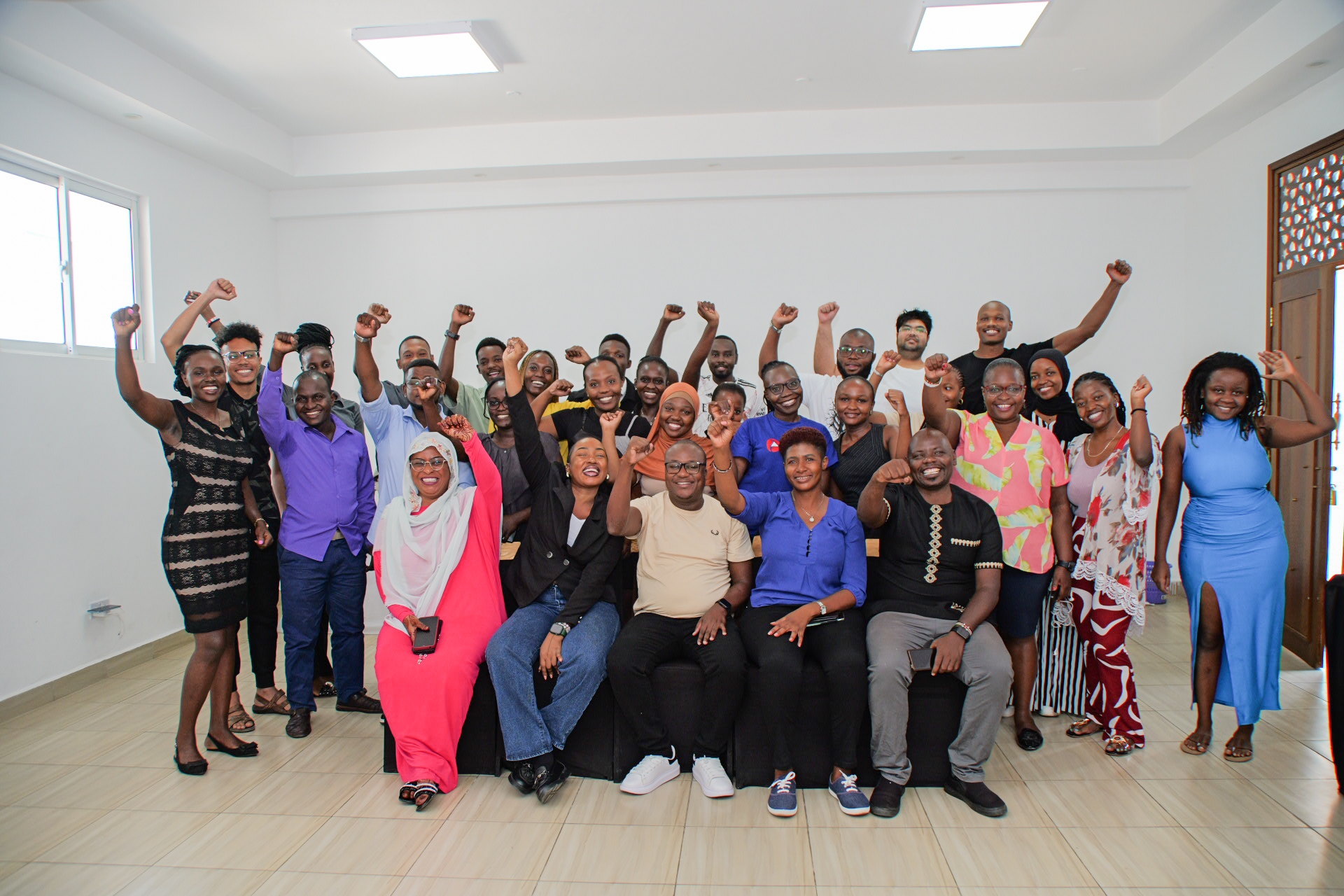
In April 2026, UNESCO reported that it had worked with winners and nominees of the BAKE Awards to strengthen their capacity to promote information integrity and digital peacebuilding. The initiative sought to help creators deal with harmful online content while safeguarding freedom of expression.
The intervention comes at a critical moment.
Kenya’s creator economy is becoming increasingly commercial. Government estimates cited by the Ministry of Information, Communications and the Digital Economy put the country’s digital content industry at more than Sh1.27 trillion, while smartphone penetration has exceeded 83 per cent. The Government has also identified digital content creation as a potential source of jobs, entrepreneurship and economic transformation.
But monetisation brings another layer of complexity.
UNESCO’s global research found that only about a third of surveyed digital creators identified content creation itself as their main source of income, while many relied on advertising, product sales, brand partnerships and other revenue streams. About 30 per cent said their content generated no revenue at all.

This means that for many creators, survival depends on attracting audiences and commercial partners. And that can create a dangerous incentive structure in which controversial, emotional or sensational content performs better than sober and carefully verified information.
Sponsored content presents another challenge.
When commercial interests become intertwined with editorial or personal content, audiences need to know where advertising ends and independent opinion begins. UNESCO’s research found significant weaknesses globally in the disclosure of sponsors, donors and other funding sources.
For Kenya’s rapidly expanding influencer market, transparency will increasingly become a test of credibility.
The report also draws attention to the vulnerability of creators themselves. Online harassment, hate speech and intimidation can discourage responsible voices from participating in public debate, while women and creators from marginalized communities can face particularly serious risks.
The answer, however, cannot simply be tighter censorship.
Kenya’s constitutional protection of freedom of expression means that efforts to improve the digital information environment must be carefully balanced against the right to speak, criticize, investigate and dissent.
UNESCO’s approach points instead towards media and information literacy, professional development, ethical standards and greater awareness of existing legal frameworks.
That distinction matters.
A better-informed creator is more valuable to society than a silenced creator. A creator who knows how to verify a claim, identify manipulated material, disclose a commercial relationship and distinguish opinion from fact can contribute enormously to the public information ecosystem.

Kenya therefore faces an opportunity to turn its digital creativity into a genuine economic and democratic asset.
Government, technology platforms, media organisations, universities, advertisers and creator associations have a role to play. Training should not be reserved for established influencers with large audiences. Thousands of emerging micro-creators are already shaping conversations in villages, towns, campuses, workplaces and online communities.
They need access to affordable training in fact-checking, digital safety, copyright, artificial intelligence, responsible advertising, data protection and media ethics.
Platforms, meanwhile, cannot escape responsibility. Their algorithms determine which content receives visibility, while their monetisation systems increasingly influence what creators produce. Greater transparency around content moderation, recommendation systems and monetisation would help creators and audiences understand the digital environment in which they operate.
Advertisers also have a responsibility to reward credibility rather than simply reach.
A creator with 50,000 engaged and trusted followers may ultimately be more valuable to a brand—and to society—than one with millions of passive or artificially inflated views.
The UNESCO report should therefore not be read as an indictment of Kenya’s digital creators. It is better understood as a warning about what happens when influence grows faster than capacity.
Kenya has already demonstrated that it can produce globally competitive digital entrepreneurs, storytellers and influencers. The next challenge is to produce creators who are not only popular, but trusted.
The future of Kenya’s digital economy will not be determined simply by how many people can create content. It will be determined by whether that content can command confidence.
In the emerging battle for attention, credibility may ultimately prove to be the most valuable currency of all.


