 ADVERT
 ADVERT
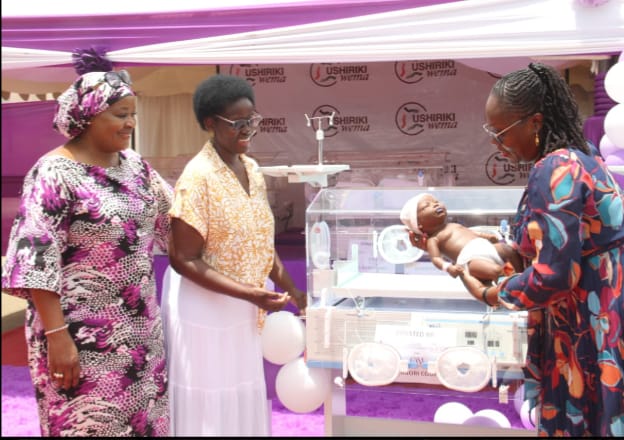
Efforts to reduce preventable newborn deaths and strengthen maternal and neonatal healthcare in Nyanza have received a significant boost following the handover of 11 neonatal incubators to six counties under Phase 9 of the Okoa Malaika Programme.
The equipment was handed over at Lumumba Sub-County Hospital in Kisumu, bringing together county health officials, community health promoters, healthcare workers and other stakeholders committed to improving survival outcomes for premature and vulnerable newborns.
The initiative, spearheaded by Ushiriki Wema Foundation under the leadership of its Chair, Tessie Musalia Mudavadi, seeks to bridge critical equipment gaps that continue to affect neonatal care, particularly for babies born prematurely or requiring specialized support immediately after birth.
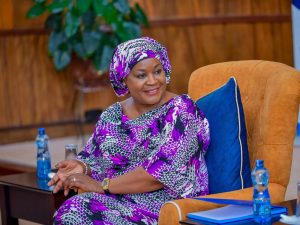
Madam Mudavadi, who is also the Spouse of the Prime Cabinet Secretary, said the intervention was designed to complement the skills and dedication of healthcare workers by ensuring they have the equipment required to respond effectively to neonatal emergencies.
She was accompanied by Kisumu County First Lady Mama Dorothy Nyong’o and Migori County First Lady Dr Agnes Ochilo.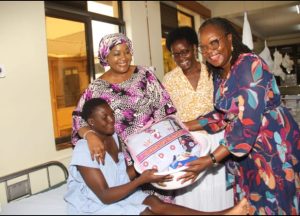
 ADVERT
The leaders also visited and interacted with a new mother, Mary Achieng, and her newborn daughter, Rosaline, presenting them with a postnatal gift package as part of the programme’s effort to promote maternal and newborn wellbeing beyond delivery.
Mudavadi linked the Okoa Malaika initiative to the Every Woman, Every Newborn, Everywhere (EWENE) Acceleration Plan 2026–2028, launched by President William Ruto on May 28, 2026.
The national plan seeks to accelerate improvements in maternal and newborn health, including antenatal care attendance, skilled deliveries, timely postnatal services and access to emergency obstetric and newborn care.
Mudavadi said Ushiriki Wema Foundation had supported the development of the EWENE Plan and was committed to helping translate its national objectives into practical interventions within counties and health facilities.
“Through Okoa Malaika, we are demonstrating what EWENE implementation looks like at the facility level,” she said, stressing the need to move beyond policy commitments and ensure that health facilities have functional equipment capable of saving newborn lives.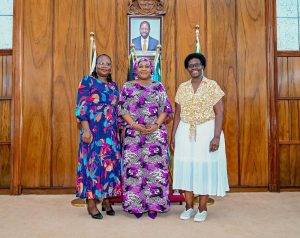
The intervention also brought together health officials from participating counties to discuss ways of improving maternal and newborn health indicators and strengthening the capacity of facilities to provide timely and quality care.
Representing Siaya County were Chief Nursing Officer Dr Godfrey Odhiambo and Reproductive Health Coordinator Pamela Josephine. They represented the Acting County Executive Committee Member for Health, Jacqueline Oduol, and Chief Officer for Health, Dr Omondi Owino.
The participation of Siaya officials underlined the county’s interest in strengthening neonatal services and ensuring that mothers and newborns can access essential care without unnecessary referrals or delays.
Okoa Malaika Brand Ambassador Njoki Mambo described the initiative as an Infant Pre-Term Mitigation Programme, focused on improving the survival and wellbeing of mothers and children, particularly premature babies.
She commended Mudavadi, county governments and healthcare workers for supporting interventions aimed at giving vulnerable newborns a stronger chance of survival.
Phase 9 builds on previous rounds of the Okoa Malaika programme, which has equipped health facilities in different parts of the country with neonatal equipment. The programme is responding to a longstanding challenge in which shortages of incubators and other specialized newborn-care equipment have contributed to referrals and limited access to timely neonatal services.
For Nyanza, the arrival of the 11 incubators is more than an equipment donation. It represents a practical investment in the ability of local health facilities to stabilize and care for vulnerable newborns closer to their families.
The intervention also highlights the growing importance of partnerships between national and county governments, healthcare workers, foundations and development stakeholders in addressing gaps in maternal and newborn healthcare.
As Kenya pursues the ambitious targets under the EWENE Acceleration Plan, initiatives such as Okoa Malaika could provide the crucial link between national policy and what happens inside the delivery rooms and neonatal units where timely intervention can mean the difference between life and death.



