 ADVERT

 ADVERT
Tourism and Wildlife Cabinet Secretary Rebecca Miano is calling for increased investment in cultural and community-based tourism as Kenya seeks to diversify its tourism industry beyond wildlife safaris and unlock the vast economic potential of the northern tourism circuit.
Miano said Kenya’s rich cultural heritage, traditional festivals, dramatic landscapes and authentic community experiences offer a powerful opportunity to attract more domestic and international visitors while creating jobs and expanding economic opportunities for local communities.
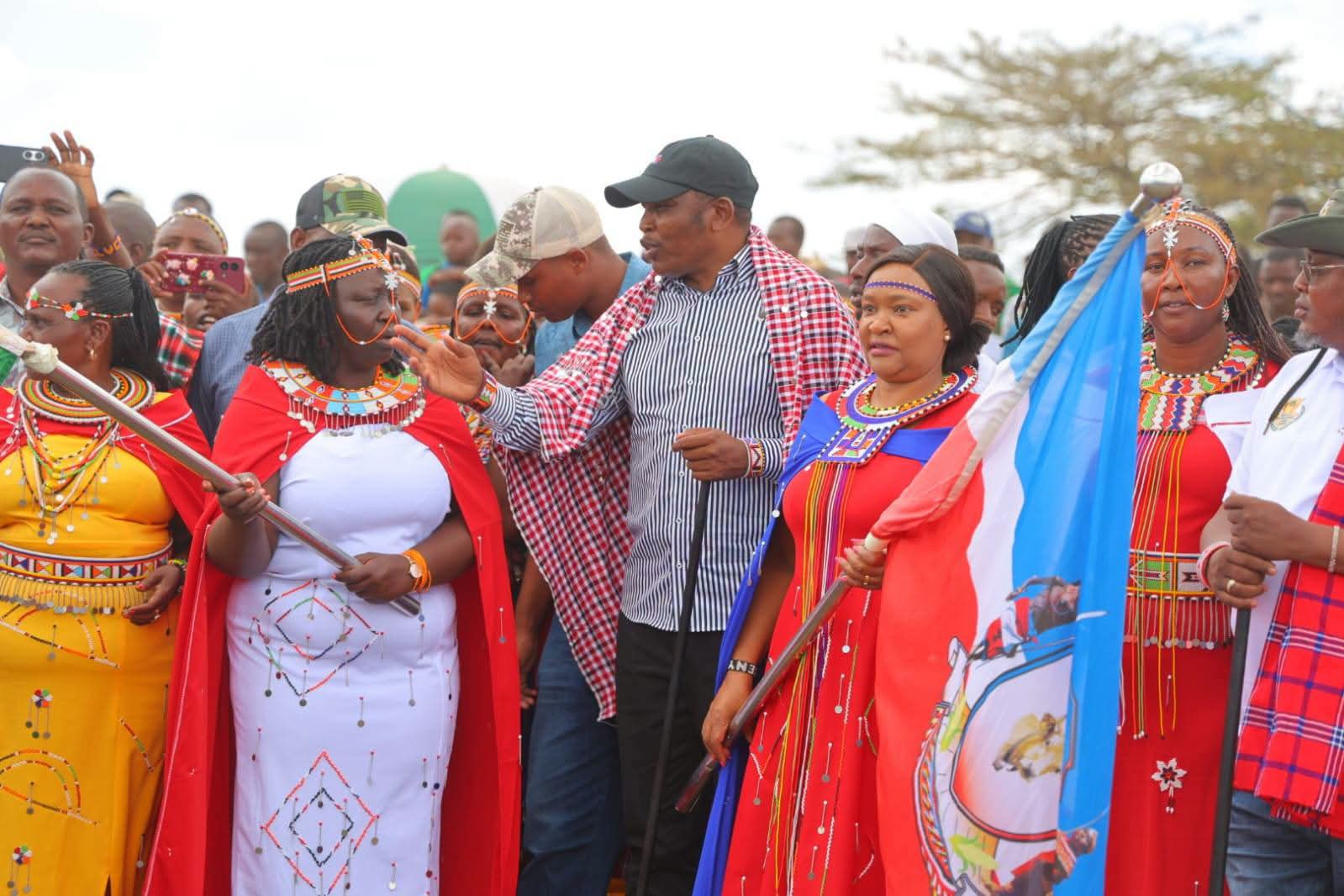
Speaking on Saturday during the 33rd edition of the Maralal International Camel Derby in Samburu County, the Cabinet Secretary described the annual festival as a compelling demonstration of how culture, sport and tourism can work together to strengthen Kenya’s position as a leading global destination.
“Events such as this show that Kenya’s appeal reaches well beyond its celebrated wildlife safaris, as the Derby proves every passing year,” Miano said.
“Our cultural festivals, landscapes, traditions and community experiences are equally vital in presenting a destination with something distinctive for every visitor.”
 ADVERT
Her remarks come amid efforts to broaden Kenya’s tourism portfolio by developing experiences that showcase the country’s diverse communities, traditions and lesser-explored destinations alongside its established wildlife attractions.
Maralal Camel Derby Emerges as Northern Tourism Showcase
Miano singled out Samburu County as a destination with considerable potential for cultural, adventure, ecological and nature-based tourism, noting that the Maralal International Camel Derby has become a major attraction in the development of the northern tourism circuit.
Beyond the spectacle of camel racing, the annual event brings together cultural performances, traditional lifestyles, community interactions and tourism experiences that distinguish the region from conventional safari destinations.
The Cabinet Secretary said the festival also demonstrates how tourism can stimulate local economies, with businesses ranging from artisans and traders to transport operators, hotels and guesthouses benefiting from the influx of visitors.
“A single weekend of racing fills guesthouses, markets and workshops, a result of which accruing benefits linger long after the dust has settled,” she said.
“By drawing domestic and international visitors, the derby stimulates enterprise, sustains livelihoods and advances the wider development of Samburu County.”
The economic benefits, she suggested, underline the importance of developing more community-led tourism products capable of extending visitor stays, increasing local spending and distributing tourism revenue beyond established destinations.
For Samburu and other counties in northern Kenya, cultural tourism could provide an additional source of income while creating opportunities for small enterprises and communities to participate more directly in the tourism value chain.
Government Calls for Stronger Tourism Partnerships
Miano called for closer collaboration between the national government, county administrations, private investors, local communities and other tourism stakeholders to strengthen the visibility, competitiveness and sustainability of cultural festivals.
She said sustained investment and coordinated promotion would be necessary to transform such events from annual attractions into stronger drivers of regional tourism development.
Equally important, she noted, are peace and conservation, which remain essential to protecting the natural environments and cultural heritage on which sustainable tourism depends.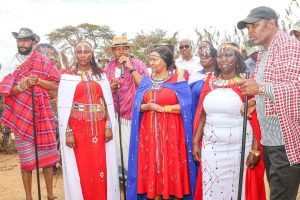
Miano emphasised that communities must remain central to efforts to preserve Kenya’s cultural and natural assets, ensuring that tourism development delivers tangible benefits to the people who safeguard those resources.
The approach reflects a broader opportunity for Kenya to position cultural heritage not merely as an attraction for visitors, but as an economic asset capable of supporting livelihoods, strengthening local enterprise and preserving traditions for future generations.
Camel Derby Links Tourism, Culture and Peace
This year’s festival is themed “Racing for Harmony: Tourism, Conservation, Culture, and Peace,” highlighting the relationship between tourism development, environmental protection and peaceful coexistence.
Conceived in 1990 as a peace initiative among pastoralist communities in northern Kenya, the Maralal Camel Derby has evolved into an international festival combining sport, culture and tourism.
Over the years, the event has provided a platform for communities to interact, promote reconciliation and celebrate their shared heritage while attracting visitors to Samburu.
Miano said the derby’s enduring significance lies not only in its tourism appeal but also in its contribution to peaceful relations among communities.
“For 33 years, here in Maralal, camels have raced not for prizes alone, but for peace,” she said.
She called on stakeholders to build on that legacy by strengthening the role of tourism in fostering harmony, supporting conservation and generating inclusive economic growth.
“As we celebrate this 33rd edition of this derby, let us continue to build a tourism sector that promotes peace, preserves our heritage, supports conservation and delivers inclusive economic growth,” she said.
Kenya Seeks a Broader Global Tourism Identity
Miano said the government intends to position Kenya as a leading international destination recognised not only for its wildlife and spectacular landscapes, but also for the diversity of its people, cultures and traditions.
Achieving that ambition will require sustained investment in cultural attractions, stronger destination marketing, better coordination among tourism stakeholders and meaningful participation by host communities.
The Maralal International Camel Derby offers a practical example of how an established cultural event can bring together tourism, local enterprise, heritage preservation and peacebuilding.
For Kenya’s northern circuit, the challenge is to build on that appeal and develop a wider range of sustainable tourism experiences that can attract visitors throughout the year.
As the country seeks to diversify its tourism offering, Miano’s message is clear: Kenya’s competitive advantage lies not only in its iconic wildlife, but also in the people, cultures and traditions that give its destinations a distinctive identity.