 ADVERT

 ADVERT
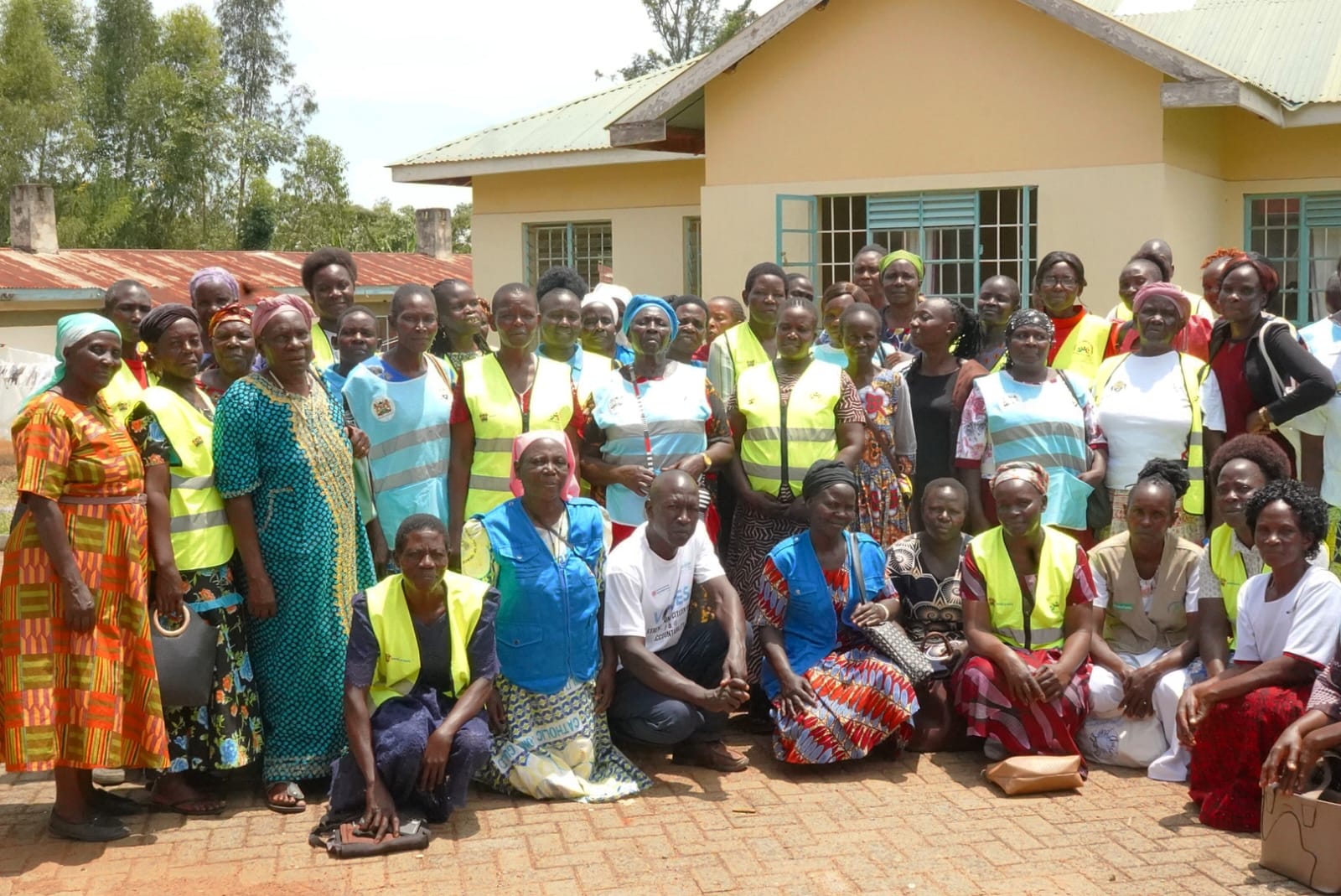
Siaya County has stepped up efforts to strengthen community-level preparedness against the threat of Ebola, equipping frontline health workers with skills to detect potential health risks, counter misinformation and promote timely reporting of suspected cases.
The initiative follows a two-day Risk Communication and Community Engagement (RCCE) training held from October 15 to 16, bringing together Community Health Promoters (CHPs), Community Health Assistants (CHAs) and Public Health Officers (PHOs) from Gem, Alego, Ugunja and Ugenya sub-counties.
The training was conducted through a partnership between the Siaya County Department of Health and Sanitation and Amref Health Africa under the Imarisha Jamii Project, with a focus on improving public awareness and strengthening communication during potential Ebola outbreaks and other public health emergencies.
The programme underscores the critical role of community health personnel in identifying unusual illnesses, linking households to formal health services and ensuring that reliable information reaches residents before fear and misinformation take hold.
Community Health Workers on the Front Line
 ADVERT
With Siaya’s cross-border connections highlighting the importance of effective disease surveillance and information sharing, the county is seeking to strengthen the capacity of frontline personnel to recognise potential threats and respond appropriately.
Participants received practical guidance on identifying and reporting unusual illnesses, communicating accurate information about Ebola symptoms, transmission and prevention, and addressing rumours that can undermine public confidence during health emergencies.
The sessions also emphasised hand hygiene, early reporting and the importance of engaging communities in ways that build trust while reducing fear, stigma and discrimination associated with suspected outbreaks.
Community Health Promoters were urged to intensify household-level health education, promptly refer suspected cases through established health systems and maintain close collaboration with health facility teams.
The approach places community health workers at the centre of early warning efforts, recognising that timely information from households can help health authorities investigate potential threats and coordinate an appropriate response.
Tackling Rumours and Misinformation
Beyond disease recognition, the training highlighted the importance of effective risk communication in preventing public panic and ensuring that communities receive clear, accurate and actionable health information.
During public health emergencies, rumours and unverified claims can spread rapidly, creating confusion and discouraging people from seeking appropriate care. Frontline health workers were therefore encouraged to respond to community concerns with verified information and to report emerging rumours through appropriate channels.
Practical strategies discussed included household visits, targeted health education sessions and engagement with local leaders to reach residents with information suited to their needs.
The emphasis on community engagement reflects the need to build public trust before an outbreak occurs, rather than waiting until a crisis has already taken hold.
Amref Partnership Strengthens Grassroots Health Systems
Through the Imarisha Jamii Project, the Department of Health and Sanitation and Amref Health Africa continue to support community health systems and improve coordination between frontline workers, health facilities and the communities they serve.
Participants were encouraged to apply the knowledge gained in their respective community units, ensuring that households receive accurate information and that potential health threats are reported without delay.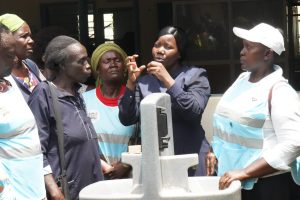
The initiative also reinforces the importance of cooperation between health professionals, community leaders and residents in strengthening preparedness for infectious disease threats.
As Siaya County works to improve its public health readiness, sustained training, reliable reporting channels and consistent community education will remain essential to an effective response.
The message from the training is clear: early detection, prompt reporting and trusted information are vital tools in protecting communities against Ebola and other infectious disease threats.