 ADVERT

 ADVERT
What began as fear and uncertainty for Mercy Achieng after she tested HIV-positive during pregnancy in 2012 has become a remarkable story of hope, resilience and the power of modern HIV treatment.
Fourteen years later, Achieng is raising three HIV-negative children, demonstrating how consistent treatment, regular medical care and determination can help mothers living with HIV protect their babies from infection.
“I wanted a good life for my children, so I had to push myself,” she said, reflecting on her journey in a serodiscordant marriage, where one partner is HIV-positive and the other is HIV-negative.
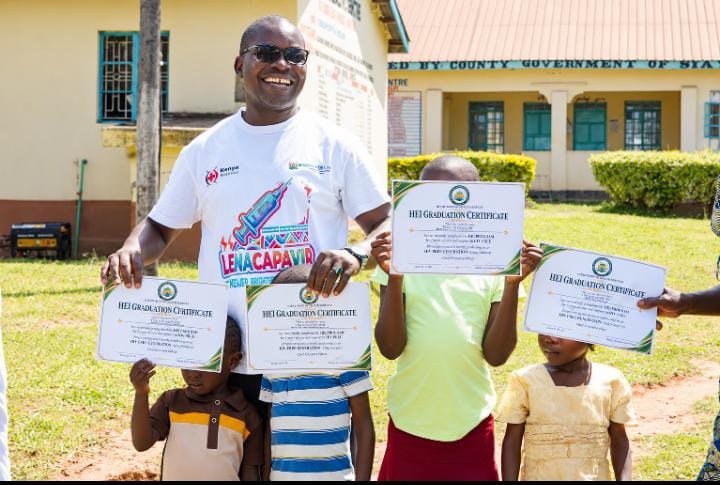
Her story took centre stage at Dienya Health Facility in West Gem, Siaya County, where 50 HIV-exposed infants (HEIs) who tested HIV-negative were celebrated in recognition of the milestone achieved over a two-year period.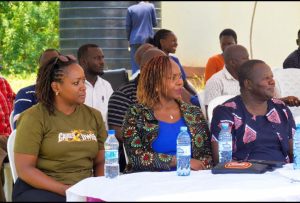
The event brought together mothers, healthcare workers and development partners in a renewed call to strengthen the prevention of mother-to-child transmission (PMTCT) of HIV, fight stigma and ensure that every child gets a healthy start in life.
 ADVERT
50 HIV-negative children celebrated in Siaya
The celebration, organised in partnership with the County Government of Siaya, Mildmay International Kenya and CHS, was the third of its kind, following similar events in Ndori and Sigomere.
Beyond recognising the 50 children, the gathering highlighted the importance of antenatal care, adherence to prescribed HIV treatment, timely testing and regular follow-up appointments throughout pregnancy and after delivery.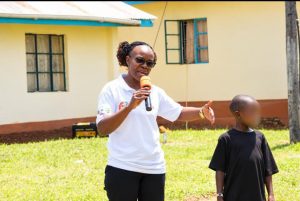
Health workers also encouraged mothers to seek medical support without fear of discrimination, noting that access to accurate information and quality healthcare is essential to protecting both maternal and child health.
For families affected by HIV, the milestone offered a powerful reminder that an HIV diagnosis does not automatically mean a child will acquire the virus.
With appropriate medical care and consistent treatment, the risk of mother-to-child transmission can be dramatically reduced.
Siaya renews commitment to ending mother-to-child HIV transmission
Zilpa Imbuye, Siaya County’s Vertical Transmission Prevention Coordinator, reaffirmed the county government’s commitment to eliminating mother-to-child transmission of HIV.
Imbuye said Siaya had previously achieved a mother-to-child HIV transmission rate of 4.3 per cent, which she said met the World Health Organization’s recommended threshold of below five per cent. She reported that the rate had since risen to 6.7 per cent, underscoring the need to reinforce existing interventions and sustain progress.
The figures highlight the continuing challenge facing health officials: translating past gains into lasting reductions in new HIV infections among children.
Imbuye urged residents to embrace available HIV prevention services, including pre-exposure prophylaxis (PrEP), a medication taken by HIV-negative people to reduce their risk of acquiring HIV.
She emphasised the importance of ensuring that prevention services reach people who may be at increased risk, while encouraging communities to seek testing, counselling and other appropriate healthcare services.
Mildmay targets mining communities with HIV prevention services
Meanwhile, Elizabeth Oluoch, Country Director of Mildmay International Kenya, highlighted plans to expand HIV prevention outreach to mining sites across Siaya County.
The proposed outreach aims to bring essential prevention information and services closer to communities that may face barriers to accessing conventional healthcare facilities.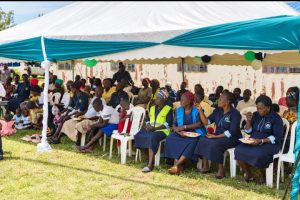
Expanding access to testing, prevention, counselling and treatment services will be critical to reaching more people and strengthening the county’s wider HIV response.
The initiative also reinforces the importance of partnerships between county health authorities, healthcare providers and development organisations in addressing persistent gaps in service delivery.
Breaking HIV stigma, one family at a time
For Achieng, the celebration was more than a public health event. It was a reminder that an HIV diagnosis need not determine the future of a mother or her children.
Her experience also underscores the importance of emotional support, access to treatment and the determination to follow medical advice despite the social and personal challenges that can accompany an HIV diagnosis.
As Siaya County works towards eliminating mother-to-child transmission of HIV, the 50 children celebrated at Dienya represent a milestone worth recognising—and a reminder that continued investment in prevention remains essential.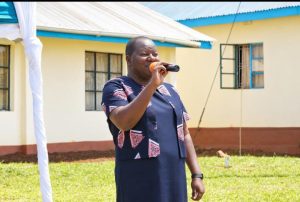
The broader message is clear: mothers living with HIV deserve dignity, effective treatment and the support they need to raise healthy families.
By strengthening maternal healthcare, promoting HIV prevention, improving follow-up services and confronting stigma, Siaya can build on its progress and help more children begin life free from HIV.
From fear to celebration, the story of Dienya’s 50 children is a testament to what sustained healthcare, informed choices and community support can achieve.