ADVERT

 ADVERThttps://youtu.be/Sny2O4mVqxU?feature=shared
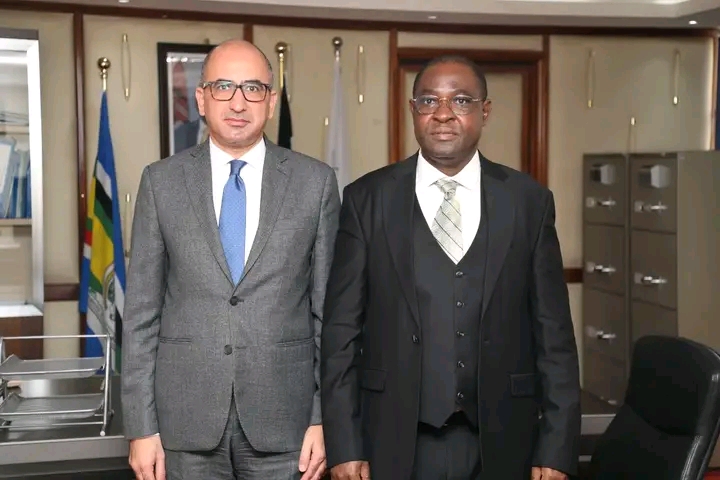
The meeting between NuPEA Chief Executive Officer Justus Wabuyabo and Egypt’s Ambassador to Kenya Hatem Yousri Hosni is an important moment for Kenya’s nuclear ambitions. It signals that Kenya is not approaching nuclear energy in isolation but is willing to learn from African countries that have already moved further along the nuclear development path. Egypt’s readiness to share experience resources and expertise offers Kenya an opportunity to strengthen its Nuclear Power Programme and Research Reactor Programme through practical cooperation mutual learning and a shared African vision for energy security.
Kenya’s interest in nuclear energy is not simply about adding another source of electricity. It is about building a reliable foundation for national development industrial growth healthcare agriculture education and scientific research. A dependable energy supply is essential for a country that seeks to expand manufacturing create jobs improve public services and reduce the pressures that come with a growing population. Nuclear power when developed with strong institutions skilled people and public trust can contribute to long term energy security and support Kenya’s broader development goals. NuPEA’s role in coordinating the country’s nuclear journey is therefore not a narrow technical responsibility. It is a national responsibility that affects many sectors of society.
The engagement with Egypt is valuable because Egypt is currently building its first nuclear power plant at El Dabaa. This means Egypt is dealing with many of the practical questions that Kenya will face as its own programme advances. These include project preparation regulatory readiness workforce development safety culture public communication site management technology selection and the coordination of institutions responsible for nuclear safety and security. Egypt’s experience can help Kenya anticipate challenges before they become costly obstacles. It can also help Kenya understand that nuclear development is not only about constructing a plant but about creating a complete national system capable of managing nuclear technology responsibly for decades.
Kenya’s Nuclear Power Programme is intended to deliver electricity generation capacity while the Research Reactor Programme will serve a different but equally important purpose. A research reactor can support training scientific research medical applications agricultural innovation and industrial services. Kenya has identified Konza Technopolis as the location for its planned research reactor and the facility is expected to support education health agriculture industry and isotope production. This shows that Kenya’s nuclear vision is broader than electricity alone. It recognises that nuclear science can improve cancer diagnosis and treatment strengthen agricultural research develop local expertise and create opportunities for young scientists and engineers.
The proposed partnership with Egypt should therefore be welcomed because it can support both sides of Kenya’s nuclear agenda. On the power side Egypt’s experience with El Dabaa can offer lessons on how to manage a large nuclear construction programme. On the research side cooperation can help Kenya develop the human capacity and technical knowledge needed to operate a research reactor safely and productively. This is especially important because a research reactor is not merely a scientific installation. It is a training ground for the professionals who will later support Kenya’s nuclear power plant regulatory system emergency preparedness arrangements and nuclear safety culture.
 ADVERT
One of the strongest reasons to support Kenya Egypt cooperation is that it reflects African solutions to African challenges. For too long African countries have been expected to rely mainly on external partners for advanced technology specialised training and technical knowledge. While international cooperation remains important partnerships among African states can build confidence reduce dependence and ensure that solutions respond to African realities. Egypt’s willingness to share its resources and expertise is a positive demonstration of African solidarity. It shows that countries on the continent can support one another in building strategic capabilities rather than waiting for knowledge and technology to be transferred only from distant markets.
Kenya should approach this partnership with clarity and purpose. Cooperation must not become symbolic diplomacy without practical outcomes. It should produce concrete areas of collaboration including training exchanges technical visits regulatory dialogue safety culture development research collaboration public engagement strategies and support for universities and technical institutions. Kenya’s universities and polytechnics will need to produce engineers physicists technicians health professionals regulators and project managers who understand nuclear technology and its responsibilities. Cooperation with Egypt can help connect Kenyan institutions to experienced professionals who have worked within an active nuclear programme.
Kenya has already begun building the foundations needed for such cooperation. The International Atomic Energy Agency has supported Kenya in developing nuclear infrastructure including workforce development institutional capacity legal and regulatory frameworks training and fellowships and an Integrated Nuclear Infrastructure Review process. NuPEA is charged with promoting and implementing Kenya’s Nuclear Power Programme carrying out research and development and building capacity in the energy sector. These efforts provide a strong base upon which Kenya Egypt cooperation can be built.
Public trust must also remain central to Kenya’s nuclear journey. Nuclear energy is a sensitive subject because people understandably want assurance that it will be safe transparent and beneficial to ordinary citizens. The government and NuPEA must continue to explain why nuclear power is being pursued how safety will be protected how communities will be engaged and how the benefits will be shared. NuPEA has already emphasised community involvement transparency and the protection of host community interests in its strategic planning while the IAEA has supported Kenya in strengthening stakeholder engagement and communication. A partnership with Egypt can strengthen this effort because Kenya can learn from Egypt’s experience in communicating with the public and managing expectations around a major national nuclear project. Trust is not built through slogans. It is built through consistent information honest engagement and visible commitment to safety.
Kenya must also ensure that nuclear development is guided by strong institutions. A successful nuclear programme requires an independent regulator a competent operator clear laws emergency preparedness systems environmental safeguards security arrangements and a workforce that understands its responsibilities. Kenya has established the National Nuclear Regulatory Authority and identified potential sites for nuclear power plants alongside extensive stakeholder engagement. NuPEA’s coordination role is important but it cannot succeed alone. Ministries regulators universities research institutions county governments professional bodies and local communities all have a part to play. The meeting with Egypt should encourage Kenya to strengthen these institutions and ensure that cooperation supports national capacity rather than replacing it.
The timing of this engagement is significant. Kenya is preparing for major steps in both its nuclear power and research reactor programmes. The country has been working within the International Atomic Energy Agency’s Milestone Approach which provides a structured path for developing the infrastructure needed for nuclear programmes. Kenya’s research reactor programme is expected to support the country’s wider nuclear ambitions while the planned first nuclear power plant remains a long term national project that requires careful sequencing. These timelines require sustained planning investment and political commitment. They also require Kenya to learn from countries that have faced similar decisions and managed similar expectations.
Egypt’s support should therefore be seen as an opportunity to deepen Kenya’s preparedness. Kenya can benefit from Egypt’s experience in areas such as project management nuclear education technical training safety regulation and the practical realities of building a first nuclear power plant. At the same time Kenya should maintain its own national priorities and ensure that any cooperation respects Kenyan laws values and development needs. Partnership should empower Kenya to make informed decisions not make decisions on Kenya’s behalf. The country must retain ownership of its nuclear programme its regulatory standards and its long term energy strategy.
There is also a broader continental significance to this relationship. Africa faces a growing need for reliable energy to support industrialisation healthcare education and economic transformation. At the same time African countries must pursue development in a way that is safe sustainable and responsive to climate pressures. Nuclear energy is one option among several but for countries that choose to pursue it cooperation can make the journey safer and more informed. Kenya and Egypt working together sends a message that African nations can collaborate on advanced technologies and build shared expertise across the continent.
The meeting at NuPEA offices should therefore be viewed as more than a diplomatic courtesy. It is a practical step towards building a working relationship that can support Kenya’s nuclear ambitions. Egypt’s offer to share resources and expertise should be matched by Kenya’s commitment to invest in people institutions safety and public engagement. If handled well this partnership can help Kenya move from ambition to capability. It can help the country develop the knowledge skills and confidence needed to manage nuclear technology responsibly.
Kenya’s nuclear journey will succeed only if it is built on preparation transparency and national ownership. The partnership with Egypt offers Kenya a chance to learn from a fellow African country that is already building its first nuclear power plant. It offers a chance to strengthen research training safety and technical cooperation. Most importantly it offers a chance for Kenya to pursue energy security with confidence knowing that it does not have to walk the path alone. This is a partnership worth welcoming nurturing and turning into meaningful action for Kenya’s future.
Photo courtesy: Egypt Ambassador Hatem Yousri Hosni and NuPEA CEO Justus Wabuyabo.